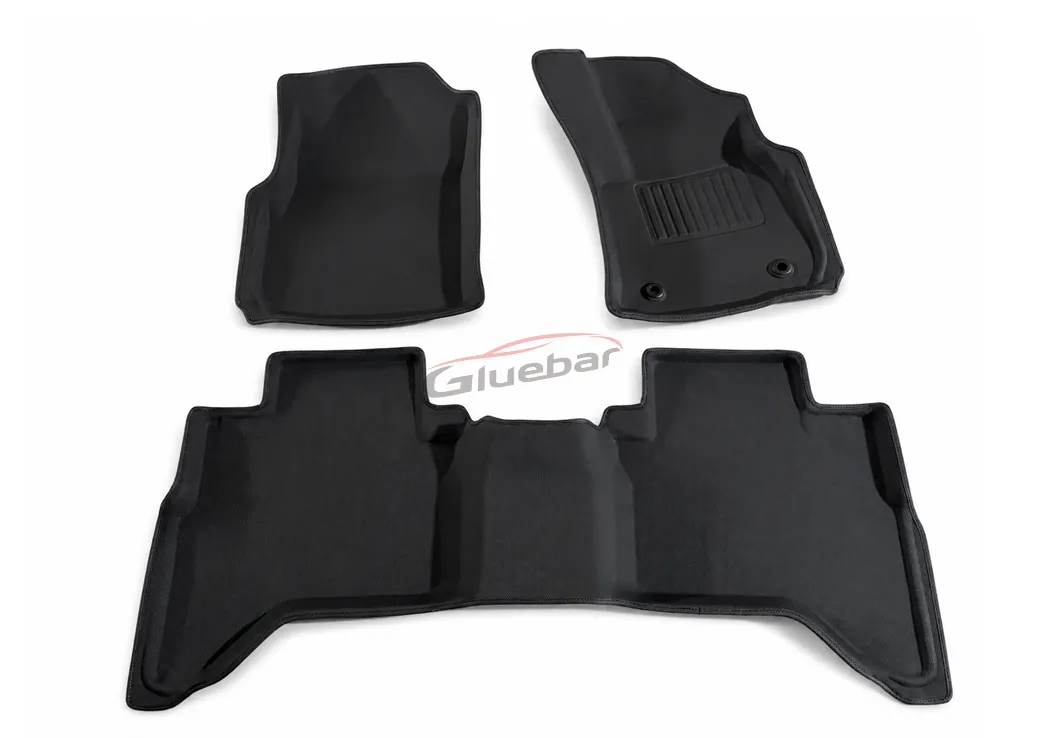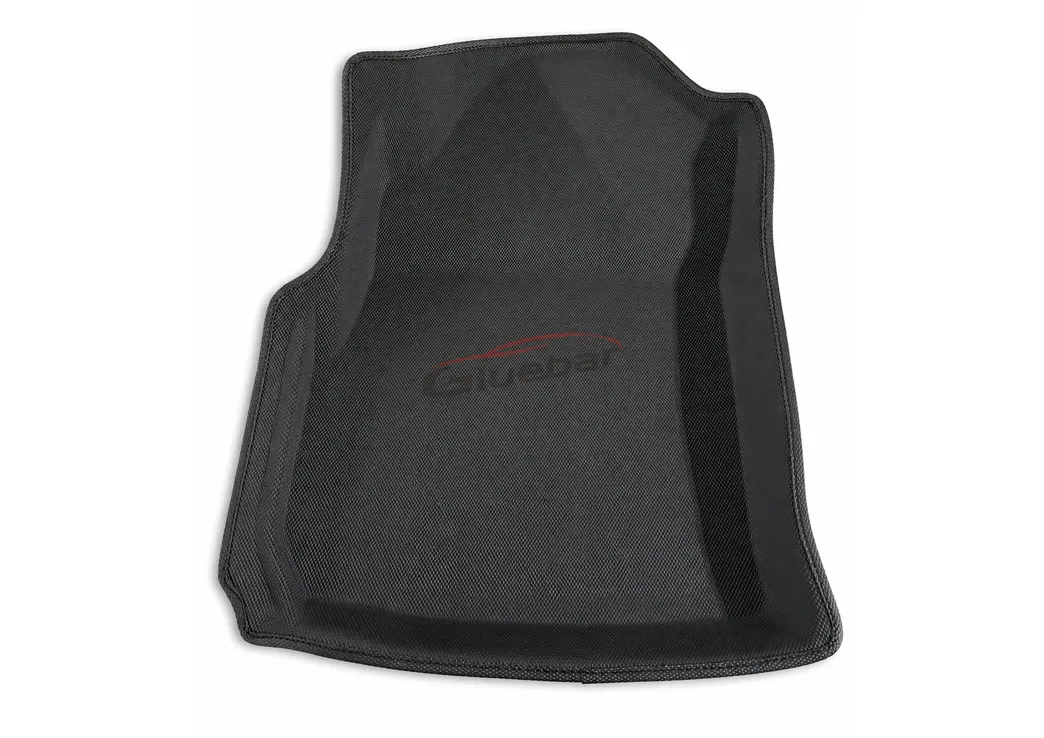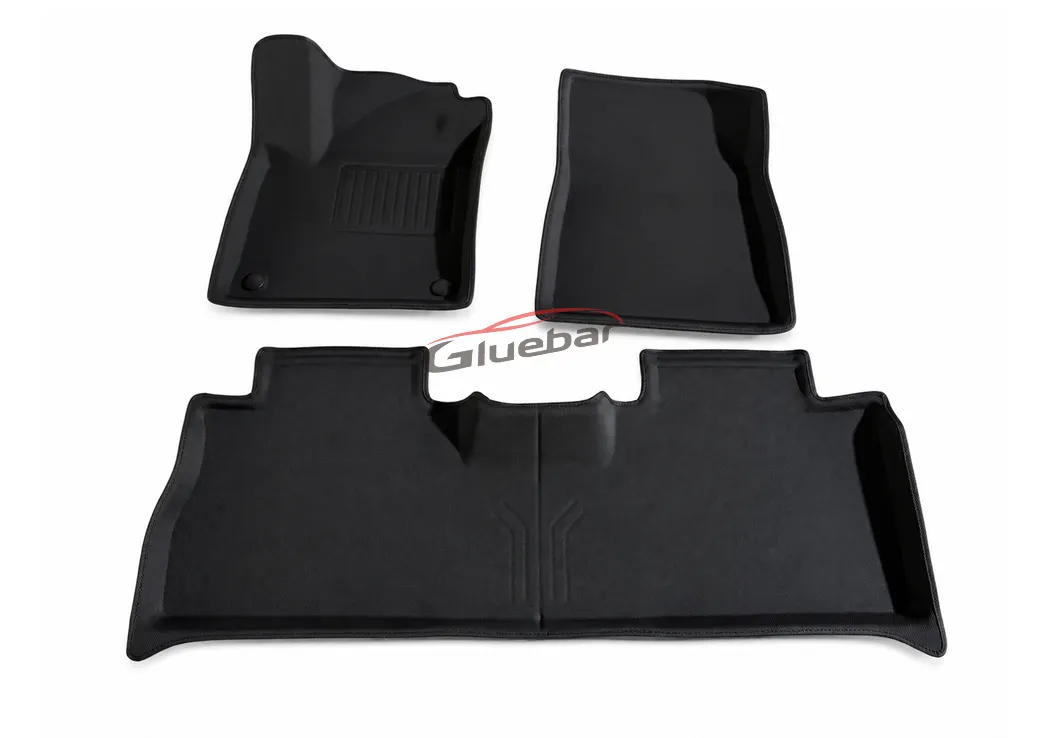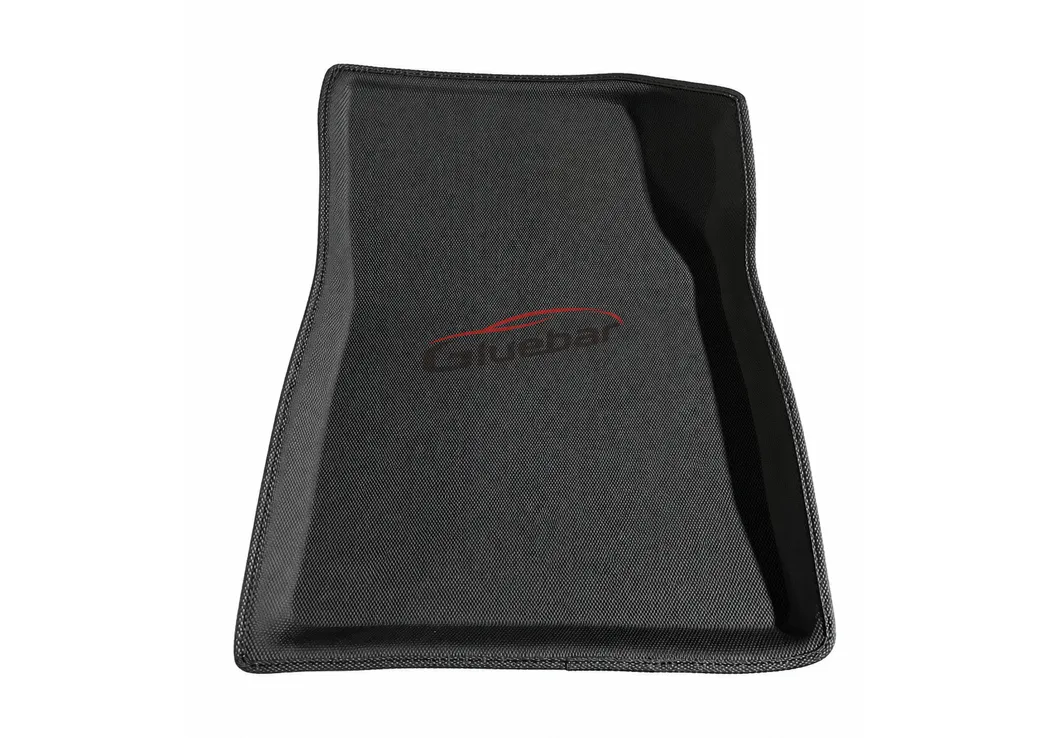

Choosing car floor mats sounds easy. Until you meet real life: rain, snow, sand, coffee, kids, pets, and heavy shoes. The right car floor mats protect your vehicle, stay safe under the pedals, and are easy to clean. The wrong car floor mats slide around, trap odors, or let water leak onto the carpet.
This guide helps you choose the right car floor mats step by step. It is written for both car owners and buyers (distributors, retailers, fleet managers) who need a clear decision process.
Table of Contents
- Why the Right Car Floor Mats Matter
- Step 1: Choose the Right Fit Type
- Step 2: Pick Coverage That Matches Your Use
- Step 3: Select the Best Material (TPE vs Rubber vs Carpet)
- Step 4: Check Safety: Grip, Anchors, and Pedal Clearance
- Step 5: Look at Edge Height and Water Control
- Step 6: Match Your Climate and Lifestyle
- Step 7: Evaluate Durability and Long-Term Value
- Step 8: Know What “Good Quality” Looks Like
- Quick Buying Checklist
- FAQ
- Final Thoughts
Why the Right Car Floor Mats Matter
Car floor mats are not just for looks. Car floor mats protect the original carpet and help keep resale value. More importantly, car floor mats affect safety. Good car floor mats should stay in place, keep dirt and water contained, clean quickly, and fit the car naturally. Bad car floor mats often cause slipping, water overflow, fast wear, and strong odor in hot weather.
Step 1: Choose the Right Fit Type
Universal Fit car floor mats are made for “most cars.” They are cheaper, but they usually leave gaps, slide more easily, and may curl over time. They are best for short-term use and light driving.
Trim-to-Fit car floor mats let you cut the edge yourself. They can work, but trimming mistakes are common, and the finish may look rough. They are best for DIY users who accept imperfect edges.
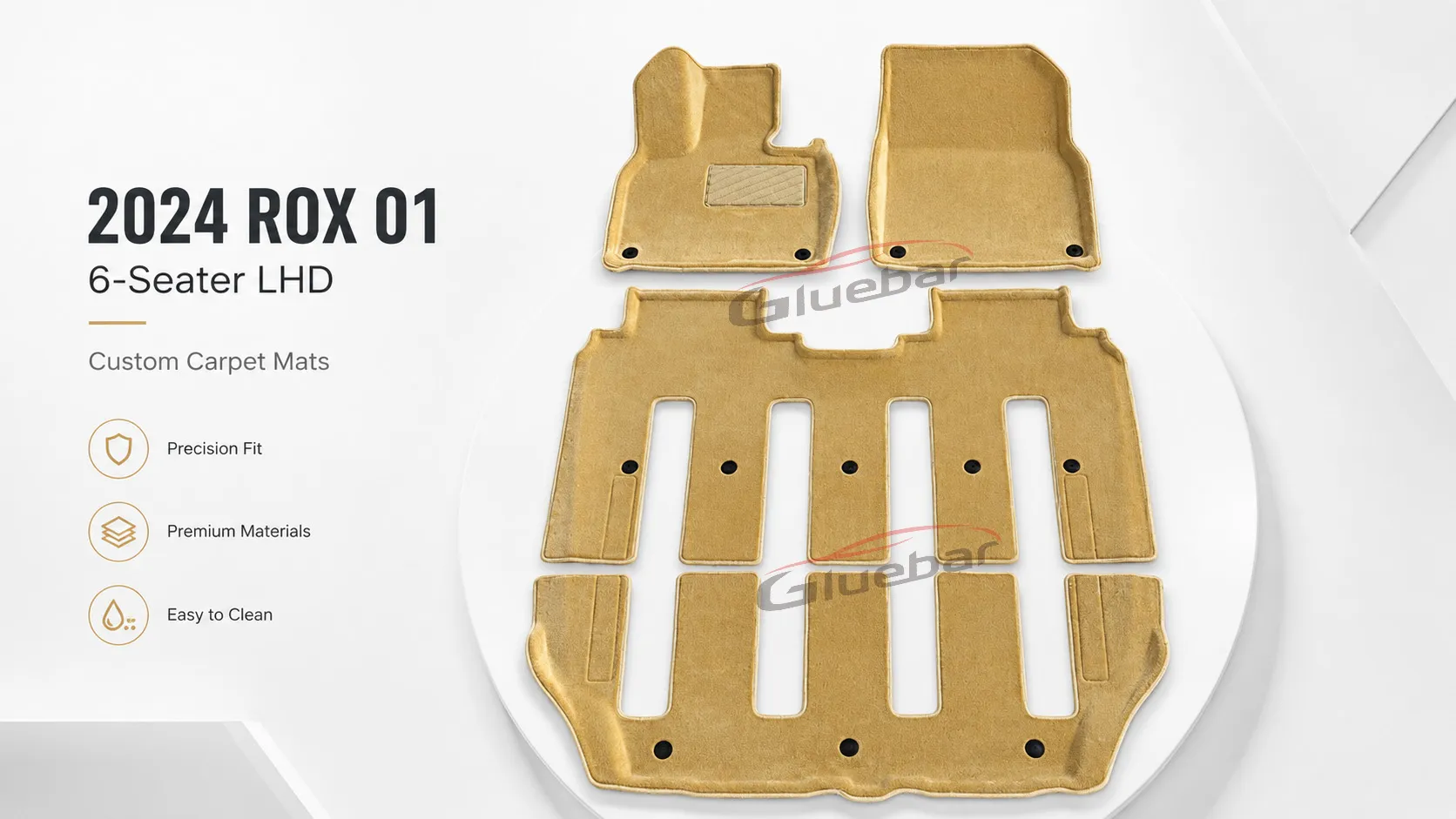
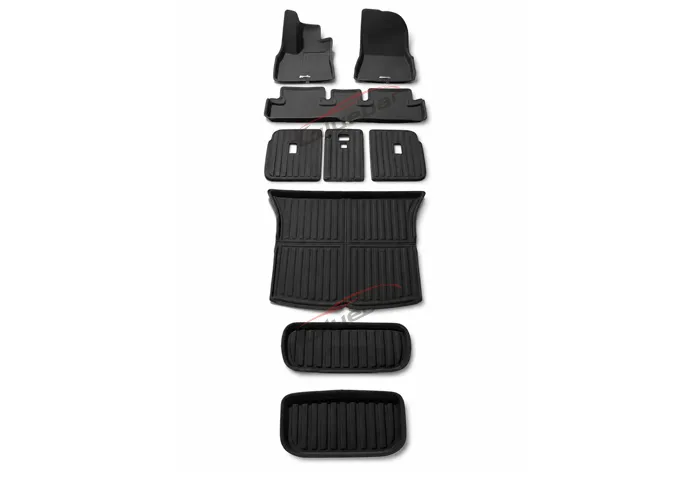
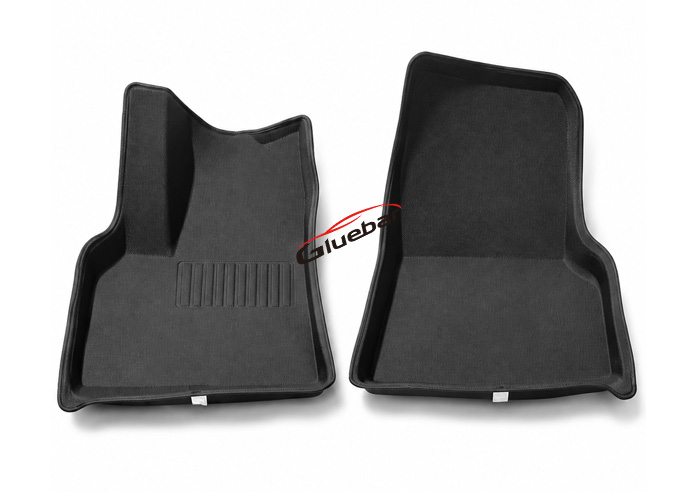
Custom Fit (Recommended) car floor mats are designed for specific models and year ranges. They usually cover more area, stay safer, and look cleaner. If you want consistent results, choose custom fit car floor mats based on accurate measurement, such as 3D scanning.
Step 2: Pick Coverage That Matches Your Use
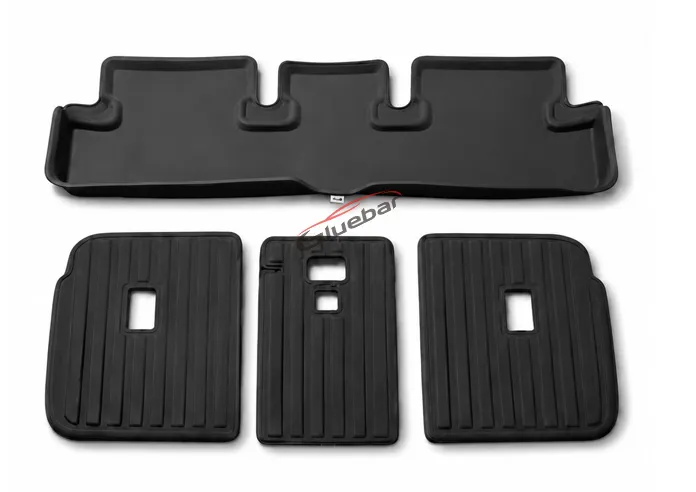
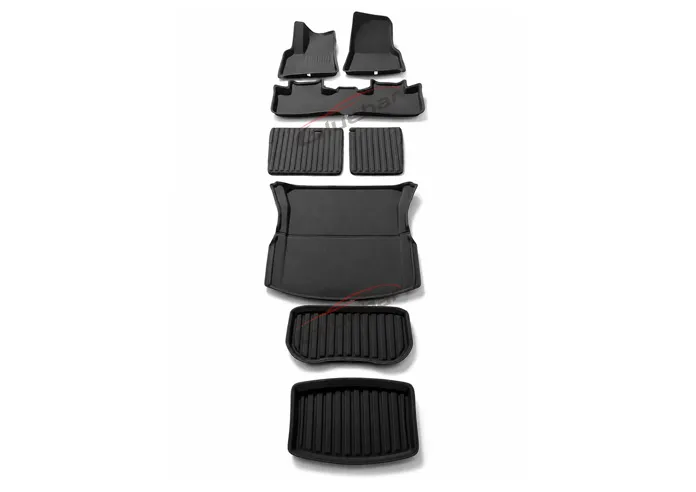
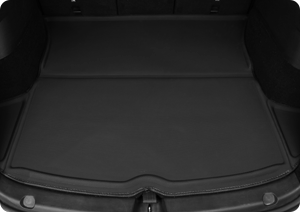
Coverage matters as much as material. Common options include front row only car floor mats, 1st & 2nd row full set car floor mats, cargo liner only, and full interior coverage. To decide, think about where the mess happens most and who uses the car most. Family cars usually need a full set, while pet owners often add a cargo liner.
Step 3: Select the Best Material (TPE vs Rubber vs Carpet)
Material affects comfort, odor, cleaning time, and temperature performance.
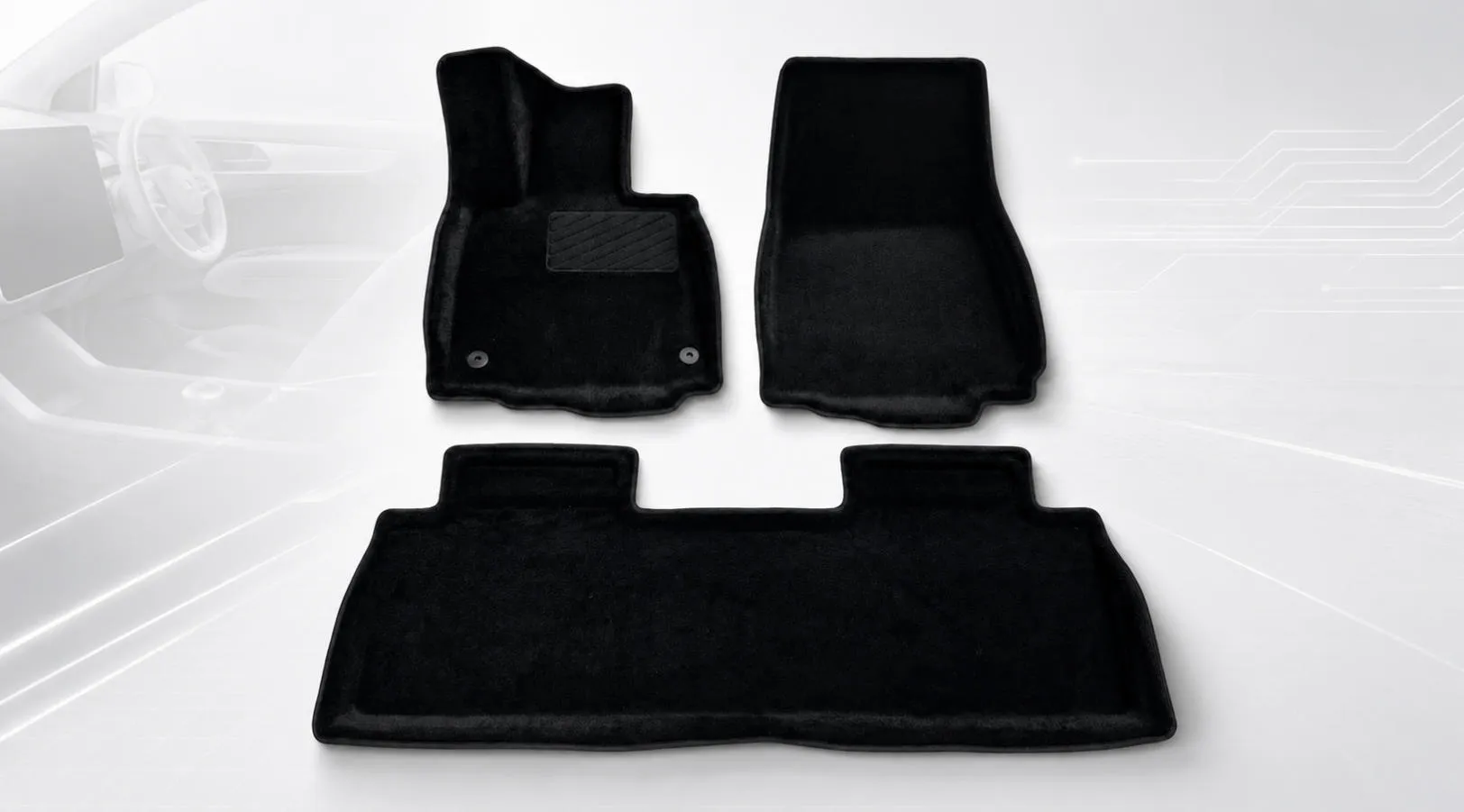
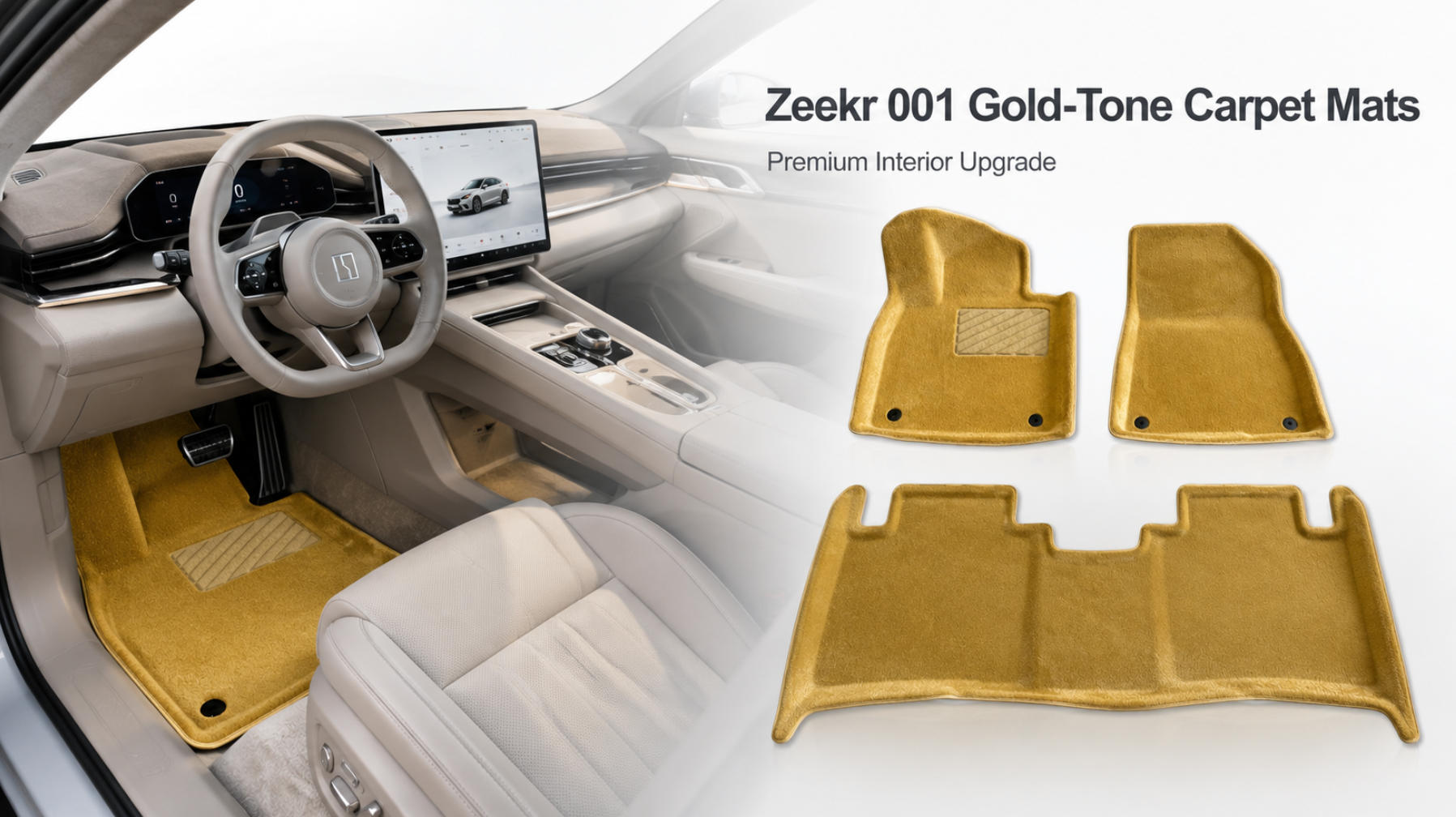
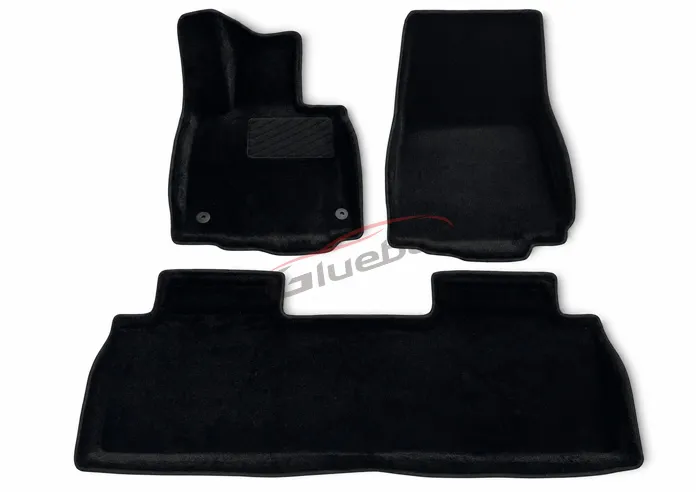
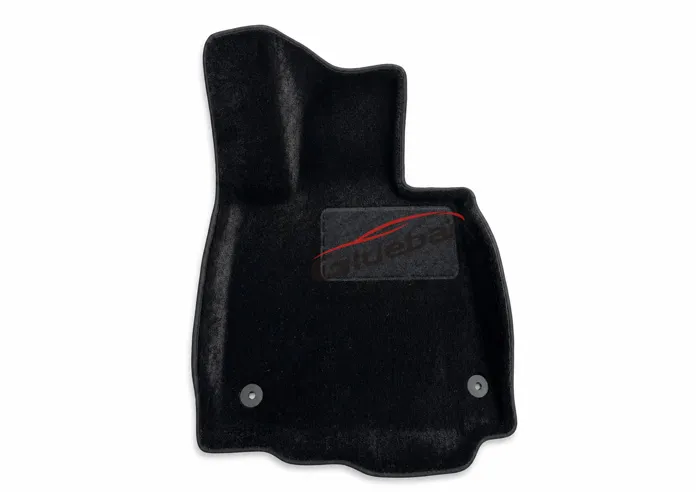
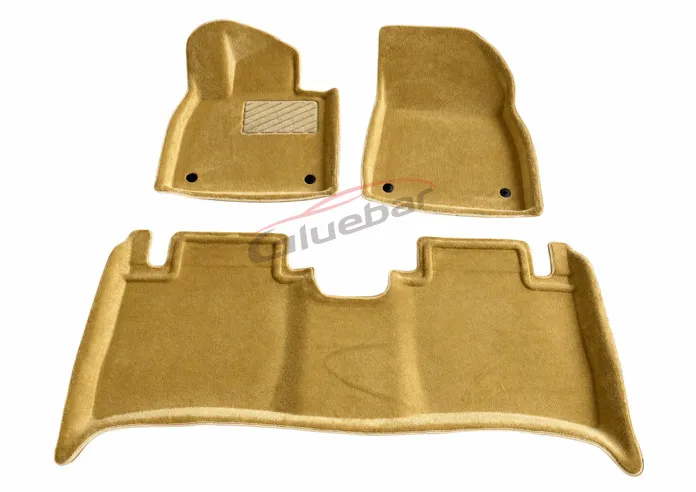
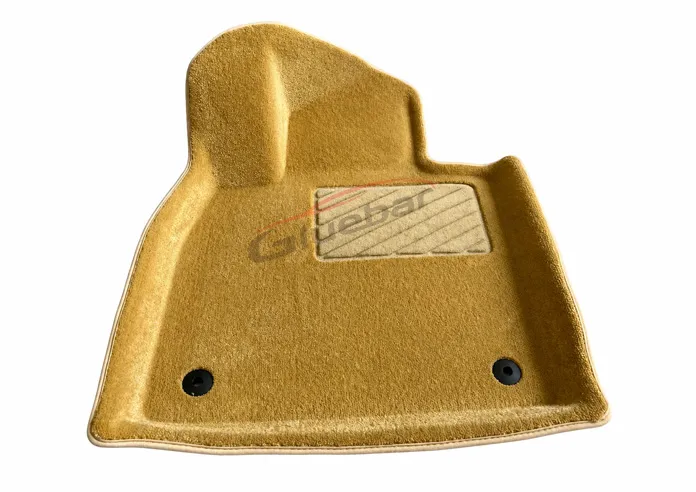
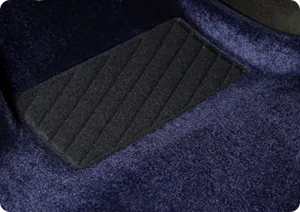
Carpet car floor mats feel soft and quiet, but they absorb water and stains easily and can smell if moisture stays underneath. They are best for dry climates and light use.
Rubber car floor mats are tough and grippy, but quality varies widely. Low-grade rubber car floor mats may smell and become stiff in cold weather. They are best for heavy-duty use and commercial vehicles.
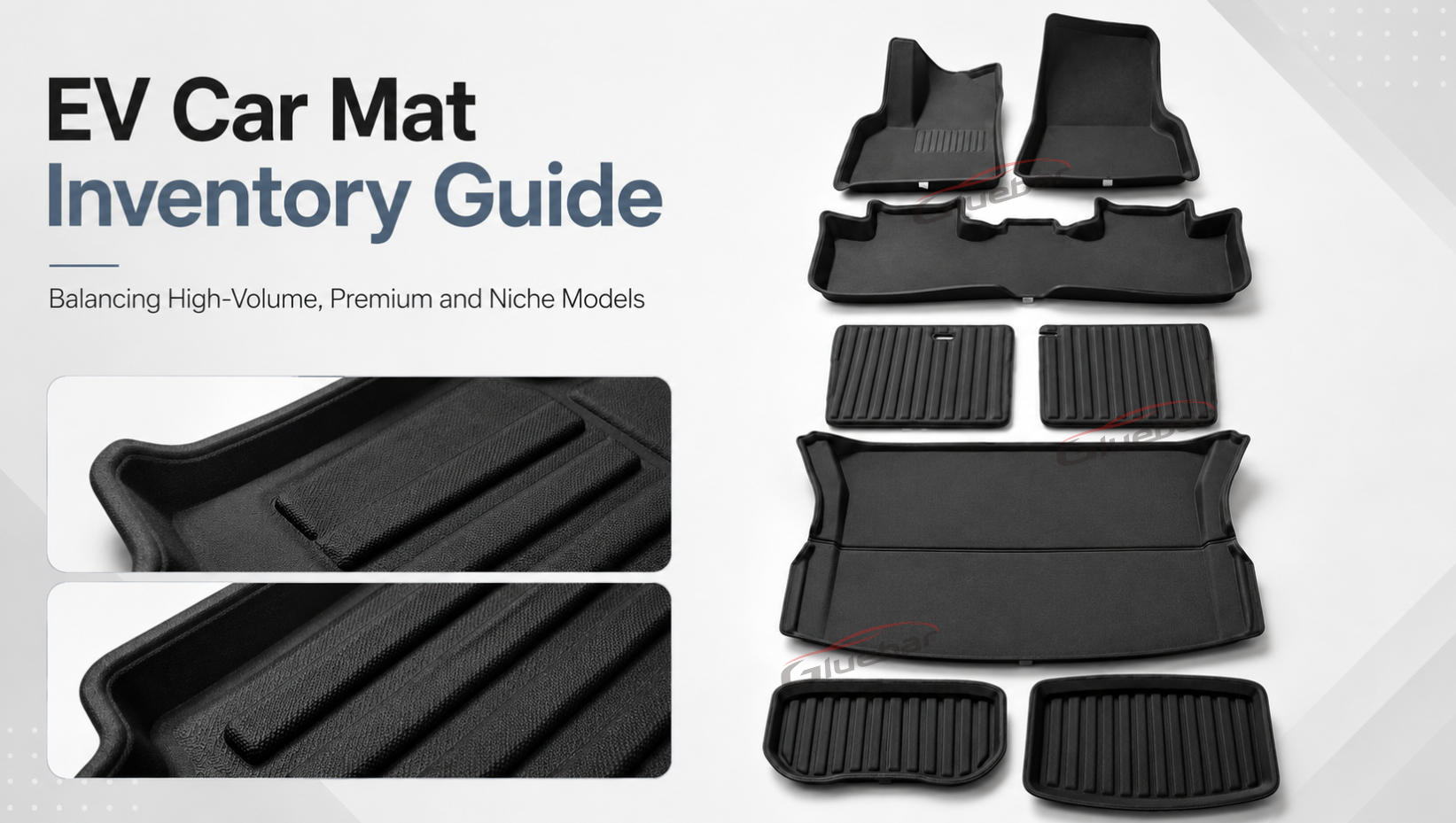
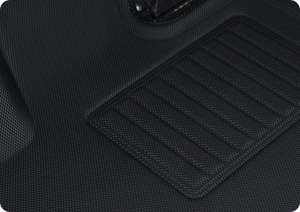
TPE all-weather car floor mats are popular for daily driving. TPE all-weather car floor mats are easy to rinse, balance flexibility and durability, and are often lighter than rubber. However, “TPE” alone does not guarantee quality. The formula and design matter. TPE all-weather car floor mats are best for most drivers, mixed climates, families, and fleets.
Step 4: Check Safety: Grip, Anchors, and Pedal Clearance
Safety is non-negotiable. Car floor mats must not interfere with pedals. Look for anti-slip backing, retention system compatibility (factory hooks/anchors), correct pedal area shape, and a flat lay without curling edges. After installation, push the driver-side mat forward and fully press the pedals. If it moves easily, do not use it.
Step 5: Look at Edge Height and Water Control
Edge design decides whether water stays inside car floor mats or leaks onto the carpet. Good designs include raised edges, channels or grooves, and a reinforced heel area. If edges are too low, water can overflow in rainy or winter seasons. If edges are too high and sharp, they may feel bulky or catch shoes. The best choice is high enough to contain water but smooth enough to avoid interference.
Step 6: Match Your Climate and Lifestyle
In snow and road salt markets, prioritize high walls and deep channels. In rainy areas, choose medium-high edges with strong grip. In desert regions, choose edges that contain sand and surfaces that are easy to shake out and rinse. For pet owners, add a cargo liner with scratch resistance and a surface that helps remove hair easily.
Step 7: Evaluate Durability and Long-Term Value
Car floor mats are “cheap” only if they last. Common failure points include warping, curling, weak heel wear, and cracking in cold weather. Signs of durable car floor mats include stable shape in heat and cold, reinforced wear zones, and consistent thickness in stress points.
Step 8: Know What “Good Quality” Looks Like
Good fit means minimal gaps, no pedal interference, and clean edges. Good material means low odor, stable texture, and flexibility without tearing. Good process quality means clean finishing, strong structure, and good recovery after bending during shipping. For B2B buyers, also confirm stable QC, clear lead time, capacity, and packaging support.
Quick Buying Checklist
Fit: universal / trim-to-fit / custom fit
Coverage: front row / full set / cargo
Material: carpet / rubber / TPE all-weather
Safety: anti-slip + retention + pedal clearance
Edges: raised walls + channels
Climate match: snow / rain / sand / mixed
Cleaning: rinse-friendly, low odor
Durability: heel reinforcement + shape stability
FAQ
Q1. Are all-weather car floor mats better than regular car floor mats?
In most daily driving cases, yes. They contain water better and are easier to clean.
Q2. Is TPE better than rubber?
Not always. Quality depends on formulation, design, and manufacturing control.
Q3. Do I really need custom fit car floor mats?
If you care about safety, coverage, and a clean look, custom fit car floor mats are usually worth it.
Conclusion
Choosing car floor mats is about matching fit, coverage, material, and safety to your real daily use. If you want a simple and reliable choice, go with custom fit all-weather car floor mats with raised edges, strong grip, and stable retention.