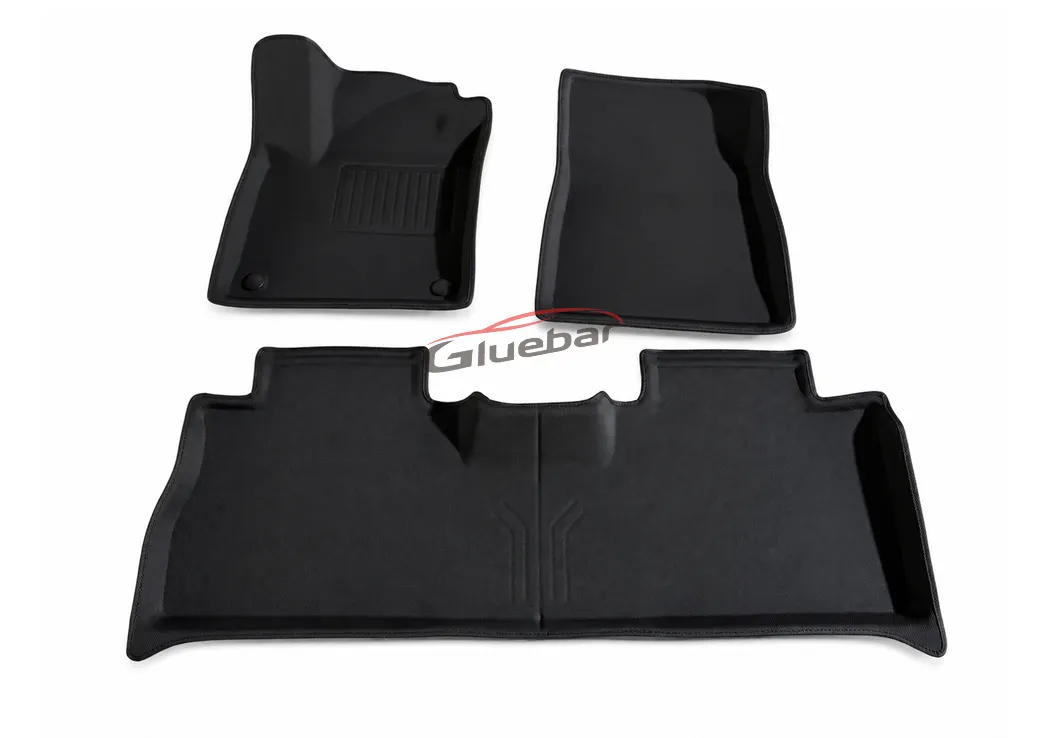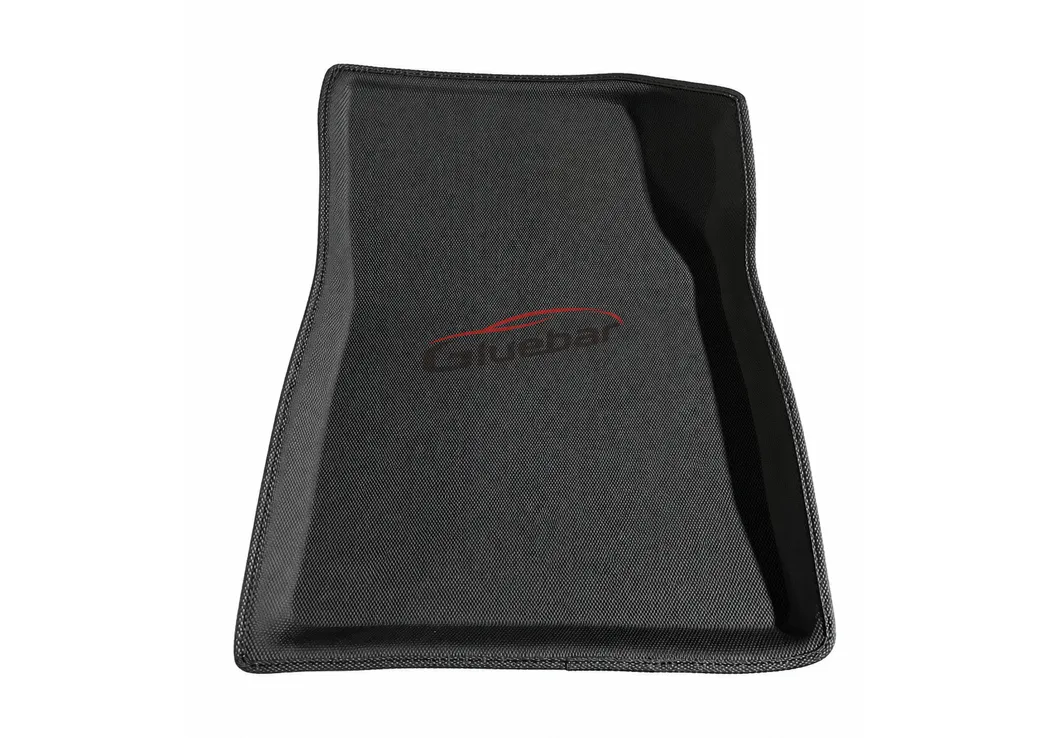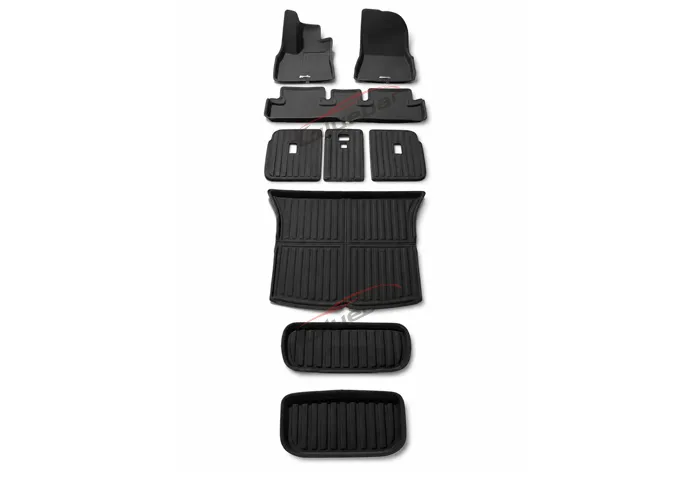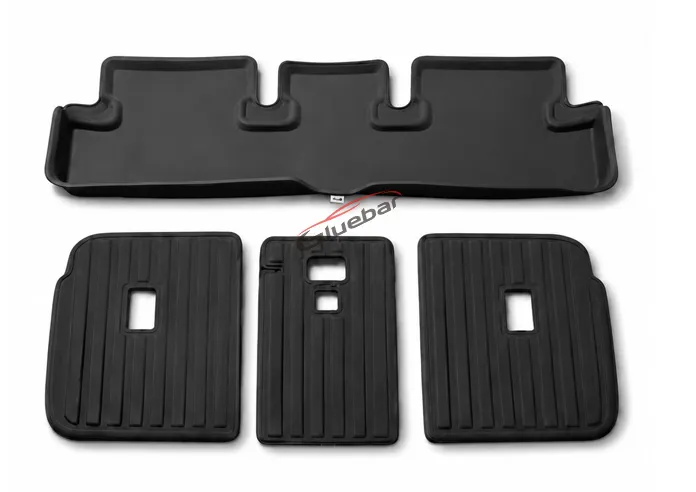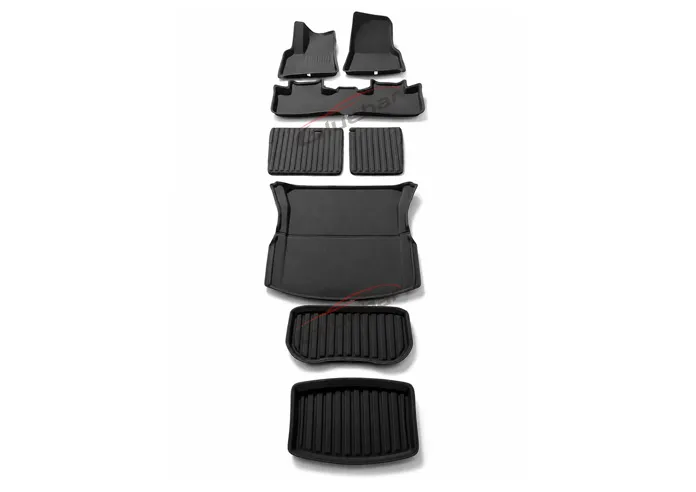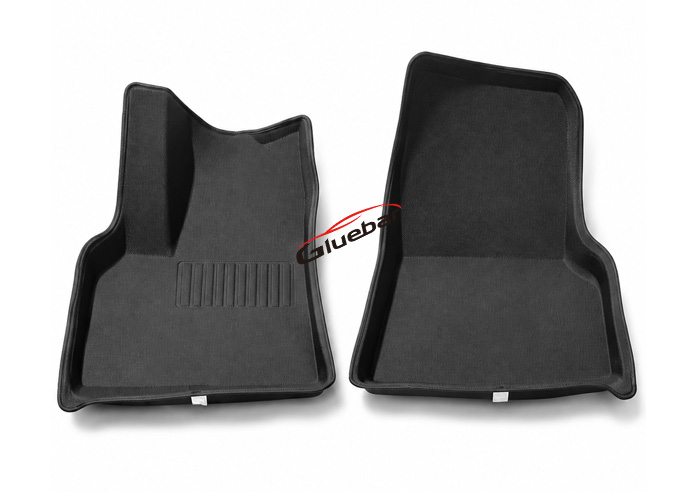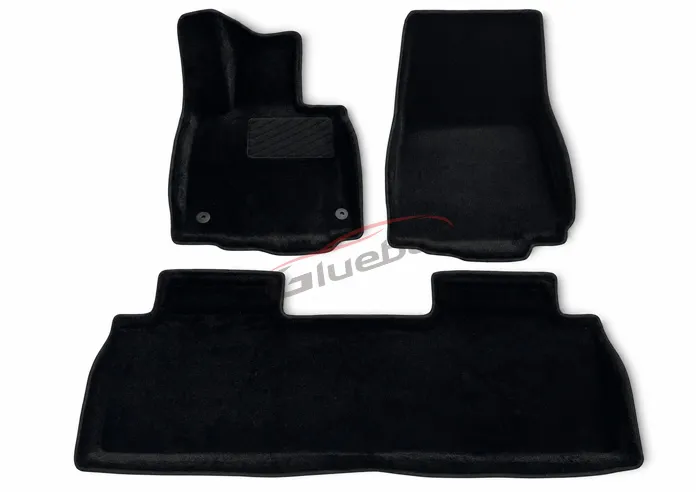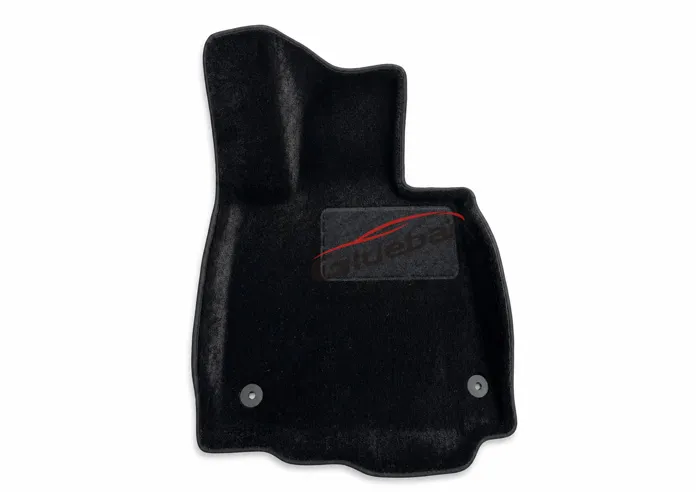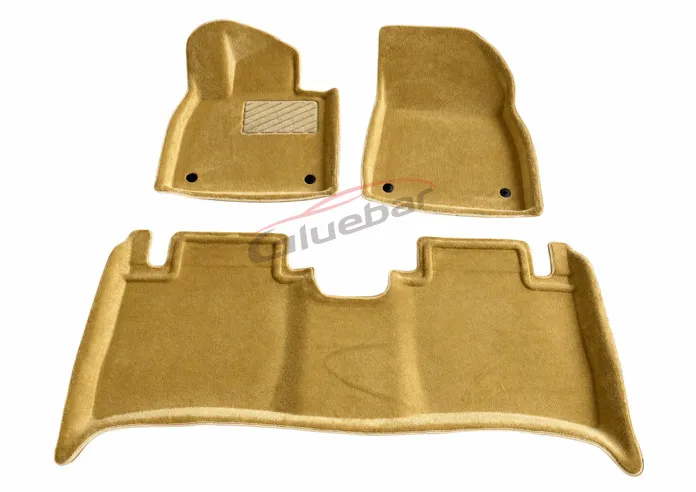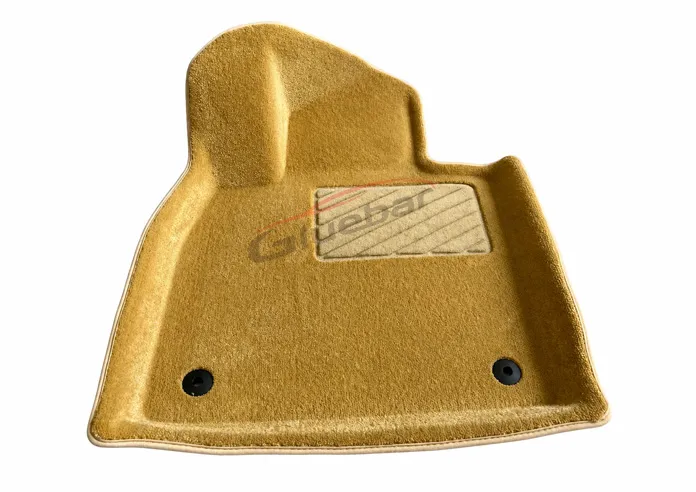
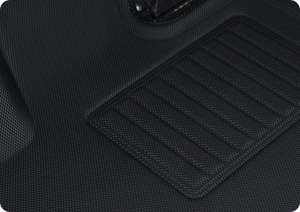
In the automotive aftermarket, Toyota car floor mats have long been a product category worth prioritizing for distributors. The reasons are quite straightforward. In practical terms, Toyota sells well worldwide, which has created a large global ownership base. Whether in North America, Europe, Southeast Asia, the Middle East, or Oceania, the market potential is substantial. For car floor mat distributors, the main advantage of Toyota floor mat products lies in their long-term stability, strong repeat sales potential, and consistent volume.
Why Toyota Floor Mats Continue to See Steady Demand in the Aftermarket
Toyota floor mats continue to enjoy long-term and stable demand in the aftermarket not simply because Toyota is a well-known brand, but because there is clear market logic behind this category. For distributors, Toyota-related products are usually not short-term opportunity products. Instead, they are a more stable category that is better suited to long-term sales, continuous restocking, and repeat business.
1. A Large Toyota Vehicle Base Creates Steady Replacement Demand
Toyota vehicles are common in many parts of the world. Whether in the United States, Europe, Southeast Asia, the Middle East, or Australia, you can see a large number of Toyotas on the road. Many popular models not only sell well when new, but older vehicles also continue to be used normally for years.
This means the demand for parts is not only driven by new vehicles. A larger part of the market comes from replacement, maintenance, and upgrade needs for cars that are already on the road. For auto parts sellers, a brand like Toyota—with a large vehicle base and broad market coverage—helps create a more stable business instead of one with constant ups and downs.
2. Long Vehicle Life Cycles Mean More Ongoing Floor Mat Replacement Demand
Toyota vehicles are generally known for their long service life, and many owners keep them for years. Floor mats, however, are a consumable and replacement product. In daily use, they are exposed to foot traffic, dust, mud, water, and long-term wear, which naturally creates replacement demand. In other words, the market for Toyota floor mats is not driven only by new car sales. It is supported by the long life cycle of the vehicles themselves. For distributors, this makes demand more stable and better suited to long-term business development.
3. Growth in SUV and MPV Segments Is Driving Demand for Full Interior Protection Sets
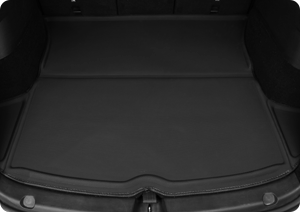
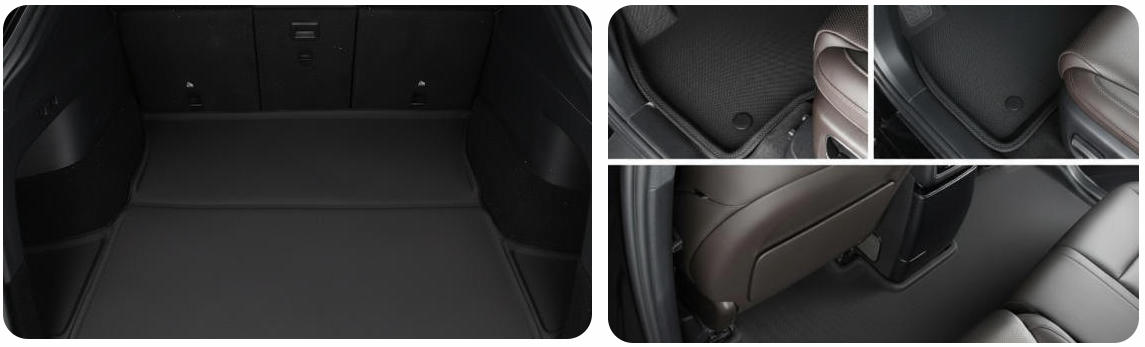
As SUV and MPV models continue to grow in many markets, demand for interior protection products is also expanding. More and more buyers are no longer looking only for front and rear floor mats. They are also considering matching trunk mats or cargo liners as part of the same purchase. Models such as RAV4, Corolla Cross, Prado, Fortuner, Sienna, and Alphard are especially suitable for this kind of bundled offering. For distributors, this not only makes the product line more complete, but also helps increase average order value and overall sales potential.
4. TPE Material Better Matches Current Market Preferences
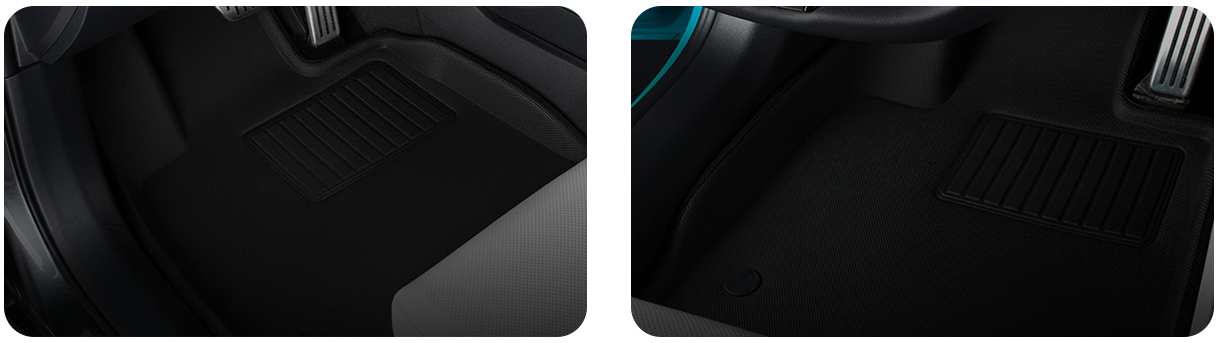
From a product trend perspective, TPE is becoming increasingly aligned with mainstream market demand for car floor mats. It is waterproof, easy to clean, and suitable for daily household use, commercial use, and different weather conditions. It is also easier to position as an all-weather or custom-fit product.
Which Toyota Models Are More Suitable for Distributors to Prioritize?
For distributors, there is no need to cover every Toyota model all at once. The models that are usually more worth prioritizing are those with a large vehicle base, long service life, stable replacement demand, and strong potential for repeat sales. Instead of launching too many fitments at the beginning, a more practical approach is to first build the product line around a few core model groups. This makes inventory management easier and also leaves more room to expand gradually based on actual market feedback.
1. Toyota Camry
Camry has long been one of the core Toyota models that distributors can confidently prioritize for long-term sales. As a widely used mid-size sedan in global markets, Camry is common in family use, business use, and fleet operations, so floor mat replacement demand tends to remain steady. For distributors, the advantages of this model are clear market recognition, straightforward fitment demand, and a stable sales rhythm. It is a practical model for regular inventory planning and ongoing supply. Whether starting with standard TPE floor mats or later expanding into higher-value matching products, Camry is a reliable entry point.
2. Toyota Corolla
The main strengths of Corolla are its large user base and broad appeal in the mass market. As one of Toyota’s most representative models, Corolla has maintained long-term and stable ownership levels in many countries and regions, making it very suitable as a standard stock product. For distributors, the value of Corolla floor mats is not necessarily in high profit per order, but in their ability to generate consistent volume over time. Especially when serving the mainstream market, this model is usually easier to sell and works well as a steady, everyday product line.
3. Toyota Prado and Fortuner
Prado and Fortuner are both SUVs built for tougher use. Many owners drive them on rough roads, outdoor routes, and longer trips, so when they shop for car floor mats, they usually care about more than simple fit. What matters more to them is whether the car floor mats offer enough coverage, whether they can handle dirt and daily wear, and whether they are easy to clean after heavy use.
For distributors, this makes the product direction quite clear. Prado and Fortuner are better suited to durable car floor mats that focus on protection and practicality. While the sales volume may not always match that of regular family sedans, the buying needs are easier to understand. These models are a good fit for heavy-duty car floor mats that offer stronger coverage, better durability, and more reliable day-to-day protection.
4. Toyota Sienna and Alphard
Sienna and Alphard are MPVs often used for family travel, business transport, and other situations where more people are in the vehicle. Because of that, owners usually pay closer attention to cabin cleanliness, wider interior coverage, and trunk protection.
For distributors, these models are usually better for full-set sales rather than just simple front-row car floor mats. Full-coverage car floor mats together with matching trunk mats make the product offer feel more complete and also support a higher selling price. If the goal is to build a more premium product line and improve margins, Sienna and Alphard are both strong models to focus on.
What Distributors Usually Look for When Choosing Toyota Floor Mat Products
Once distributors move into the purchasing stage, their focus usually shifts from “Is this market worth entering?” to “Is this product suitable for long-term sales?” Compared with end consumers, who often pay more attention to appearance or price, distributors usually care more about fitment stability, material acceptance, product combination options, supply reliability, and support for private branding when selecting Toyota floor mat products. These factors directly affect sales efficiency, inventory planning, and the feasibility of long-term cooperation.
1. Whether the Product Is Truly Custom-Fit and Whether Fitment Is Stable
For distributors, one of the first things they look at is whether the product is truly custom-fit for the vehicle. If the floor mats do not fit properly—such as shifting out of place, leaving gaps, curling at the edges, or failing to provide full coverage—end customers are likely to be dissatisfied, and after-sales issues will increase accordingly. By contrast, products with stable fitment are easier to sell, because customers can more clearly see their value and are usually more willing to accept the price. For distributors, reliable fitment is not just a product issue. It also affects return rates, customer satisfaction, and the likelihood of repeat purchases.
2. Whether the Material Fits Mainstream Market Demand
When it comes to materials, distributors usually consider whether the product is easy to promote and whether it matches the usage habits of the mainstream market. From a practical sales perspective, TPE floor mats are often easier for the market to accept because they are waterproof, easy to clean, and suitable for a wide range of scenarios, including family use, commercial use, and daily commuting. For distributors, the sales logic behind this type of product is relatively simple, and end customers can more easily understand its practical value. At the same time, whether the material is easy to maintain and clean also directly affects buying decisions, which is why this is another important point in product selection.
3. Whether It Can Be Sold Together With Matching Trunk Mats
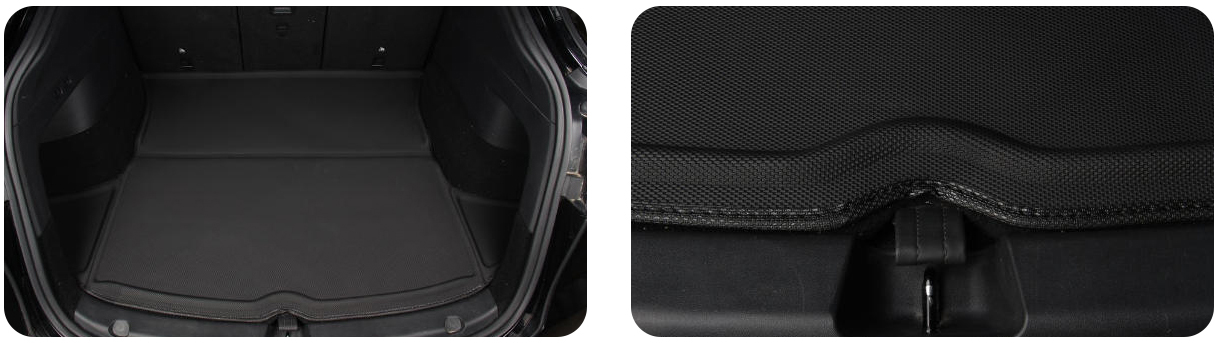
More and more distributors are no longer looking only at front and rear floor mats when selecting Toyota floor mat products. They are also considering whether the product can be sold together with matching trunk mats. This type of product combination has two clear advantages. First, it can directly increase order value. Second, it makes the overall product line look more complete and gives sales teams a stronger offering. This is especially true for SUV and MPV models, where trunk usage is more frequent and demand for trunk mats or cargo liners is more obvious. As a result, the ability to offer matching trunk protection products has become an important sign for many distributors when judging whether a supplier is truly capable.
4. Whether Supply Is Stable and Suitable for Long-Term Cooperation
For distributors, even a good product is difficult to sell long term if the supply is unstable. That is why lead time, monthly production capacity, and bulk order supply capability are all key points that must be confirmed during procurement. Distributors are not looking for one-time shipments. They need a supply system that supports continuous replenishment, planned delivery, and long-term cooperation. If lead times are unclear, production capacity is inconsistent, or supply cannot be guaranteed during peak seasons, it will directly affect stock planning and customer delivery. From a B2B perspective, stable supply is often more important than simply having a low price.
5. Whether the Supplier Supports Dealer Branding and Packaging Needs
Many distributors are not just selling products. They also want to build their own product system and brand image. For that reason, whether a supplier supports custom logos, packaging, installation cards, and multilingual labels can also become an important part of the purchasing decision. For distributors, this kind of support not only improves product completeness, but also helps strengthen brand recognition and makes the product more suitable for local markets and channel sales. This is especially true for overseas business, where multilingual labels and supporting documents are more practical and can make later promotion and delivery much easier.
How Demand for Toyota Floor Mats Differs Across Markets
Although Toyota floor mats enjoy steady demand in many markets worldwide, purchasing priorities still vary from region to region. For distributors, understanding these differences can help with planning model selection, material strategy, and sales focus more effectively. There is no need to make the market breakdown too complicated. It is enough to highlight the characteristics of a few major regions.
1. North America Focuses More on All-Weather Performance and Practical Use
In the North American market, buyers usually place more importance on the all-weather performance of floor mats, meaning how well they perform in rain, snow, mud, sand, and other high-frequency daily use conditions. Demand for SUV- and pickup-related models is also typically stronger in this market, so not only are floor mats in demand, but matching trunk mats and cargo liners are also easier to sell together. For distributors, the North American market is generally better suited to promoting durability, waterproof performance, and ease of cleaning, rather than putting too much emphasis on decorative features.
2. Europe Pays More Attention to Fitment and Overall Finish
By comparison, the European market usually places greater value on fitment, overall interior appearance, and the finished quality of the product. Compact cars and SUVs both have steady demand in this region, so distributors often need to think not only about model coverage, but also about whether the product looks cleaner, fits better, and feels more complete once installed. In other words, European buyers care not only about whether the product works, but also whether it looks more integrated and closer to the style of the original vehicle interior.
3. The Middle East and Southeast Asia Focus More on Durability and Easy Cleaning
In the Middle East and Southeast Asia, buyers usually care more about whether the product is durable, easy to clean, and performs well in hot conditions. In these regions, practicality comes first, while other added selling points are secondary. Models such as Prado, Fortuner, and Camry are often more representative in these markets and are also more suitable for distributors to prioritize. For suppliers, these markets are better suited to highlighting daily protection, ease of maintenance, and long-term stability in use.
How Distributors Can Plan a Toyota Floor Mat Product Line
For distributors, building a Toyota car floor mats product line does not mean covering every model and every version at the start. A better way is to build a clear and simple product line first. It is more important to start with the right Toyota car floor mats than to start with too many products. First, focus on the models with strong demand and the main product combinations. Then, add more car floor mats step by step based on real sales results. This makes it easier to manage stock, improve turnover, and support long-term business.
1. Start With High-Demand Models
At the early stage of building a product line, it is usually better to prioritize models with more stable demand, stronger market recognition, and better suitability for regular stock planning. Models such as Camry, Corolla, Corolla Cross, and RAV4 are often the most practical starting points. These models either have a large user base, clear market demand, or good potential for bundled sales, which makes them easier to move consistently. For distributors, building a solid base around these core models is usually more practical than trying to cover too many niche fitments at once, and it also makes it easier to establish a stable sales rhythm.
2. Build a Clear Basic Product Structure First
Once the core models are identified, the next step is to create a clear basic product structure. In most cases, a practical approach is to build the main line around custom-fit TPE floor mats and then add matching trunk mats according to the characteristics of the vehicle. This kind of structure is easier to understand and also matches the buying habits of many markets that prefer practical, complete product solutions. For distributors, a clear basic product line not only makes internal stock planning easier, but also helps with external sales and promotion by keeping the product logic simple and focused.
3. Expand Into Higher-Value Models Step by Step
After the core models and basic product line are running smoothly, it is usually safer to expand gradually into higher-value models. Models such as Prado, Fortuner, Sienna, and Alphard are often better suited to higher-ticket products, complete interior protection packages, or more comprehensive cabin coverage solutions. These models may not be the first ones that require large inventory volume, but they are often useful as the next step for increasing margins and enriching the overall product structure. For distributors, this kind of expansion is more manageable than launching everything at once, and it also makes it easier to adjust based on actual market response.
4. Do Not Launch Too Many Versions at the Beginning
At the initial stage of planning a product line, many distributors are tempted to offer every possible version right away. In practice, this often leads to scattered inventory, more complicated management, and unclear sales priorities. A more practical approach is to first ensure coverage of best-selling models, build a clear main product line, and then expand SKUs step by step based on actual order patterns, customer feedback, and market performance. This not only reduces early inventory pressure, but also helps distributors better understand which models and product combinations are truly worth long-term investment. Product line expansion should be driven by market feedback, not by the goal of being comprehensive from day one.

What Support Can a Supplier Provide to Distributors?
For distributors, choosing a supplier is not just about the product itself. More importantly, it is about whether the supplier can provide ongoing, stable, and practical support in real business operations. This is especially true for Toyota floor mats, where long-term replenishment, continuous expansion of model coverage, and support for branded sales all matter. In this kind of product line, a supplier’s level of coordination often has a direct impact on a distributor’s sales efficiency and overall market stability. Rather than simply emphasizing how good the product is, distributors usually care more about the following types of support.
1. Stable Supply Capability
For distributors, stable supply is always the most basic form of support. Having a marketable product is only the first step. What really matters for long-term cooperation is whether the supplier can support ongoing replenishment, deliver on time during peak seasons, and maintain a stable rhythm as order volume grows. If supply is unstable, distributors will struggle to plan inventory and will also find it difficult to guarantee lead times to their downstream customers.
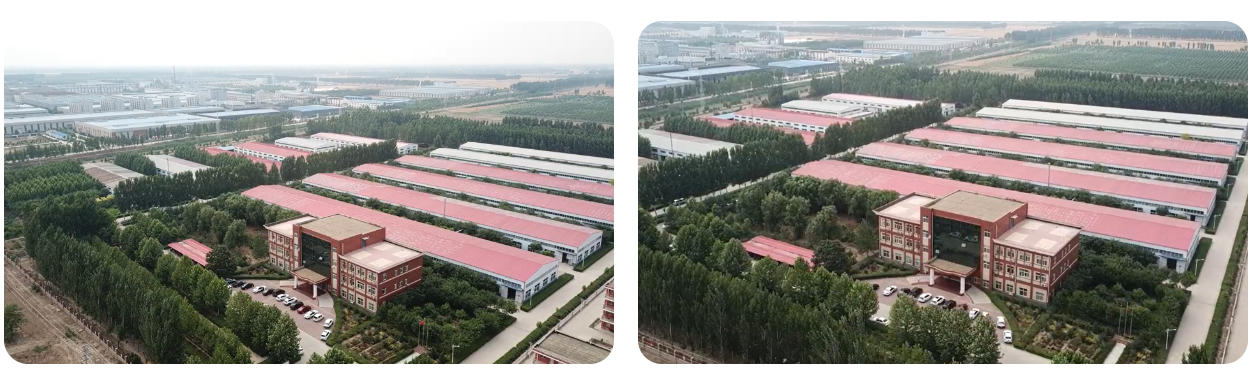
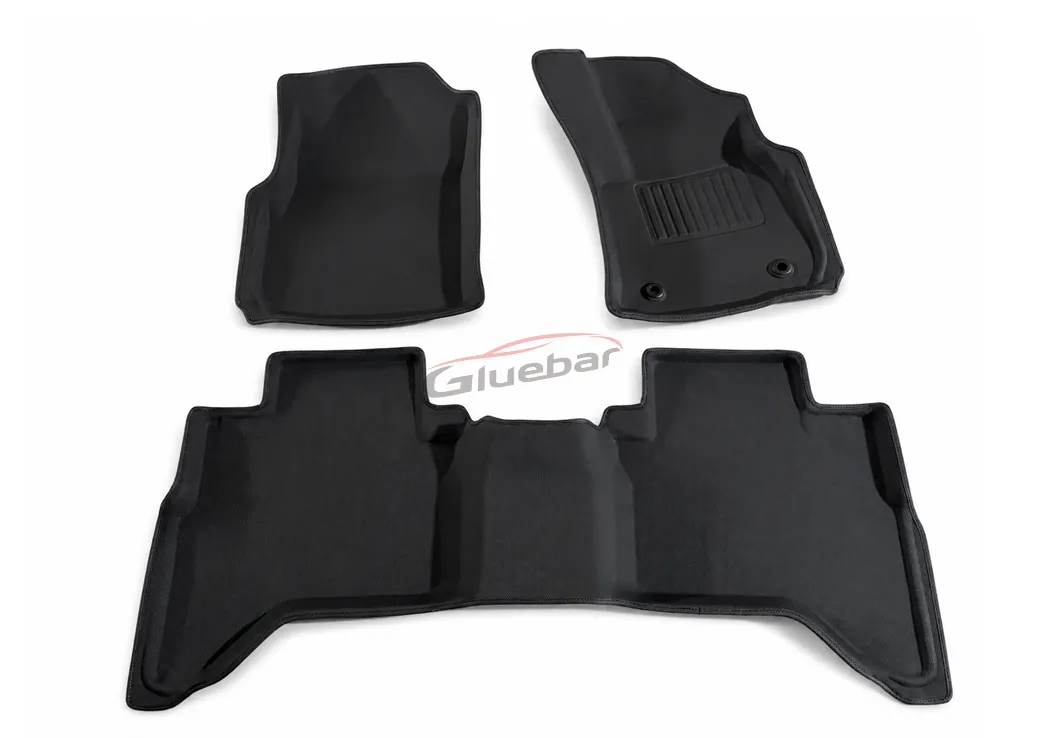
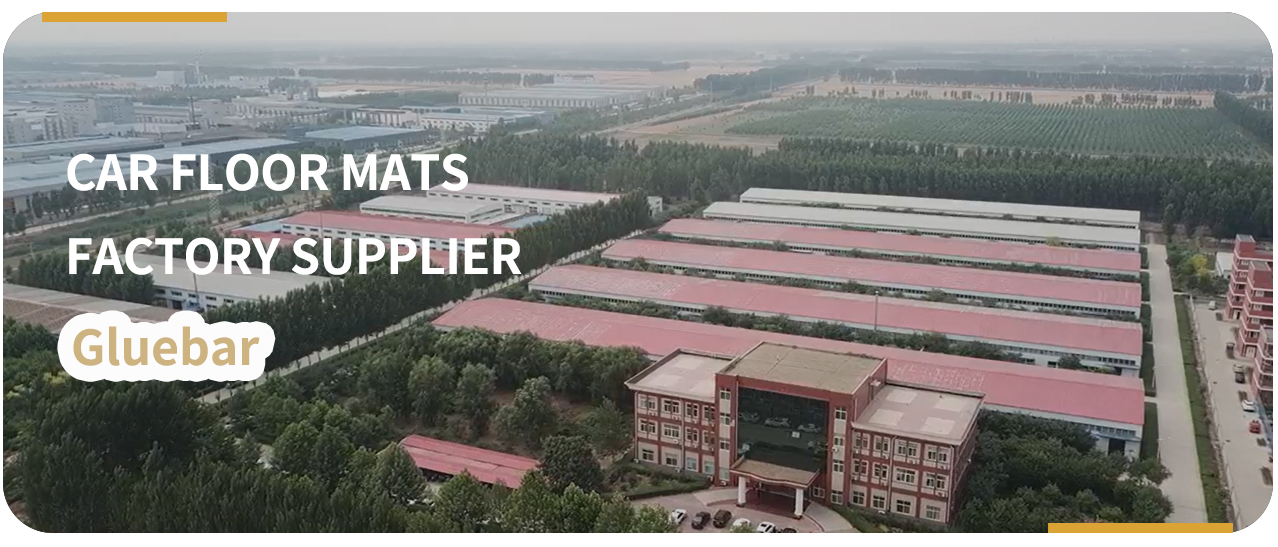
This is why many distributors place more importance on a supplier’s production stability than on a one-time quotation. For a TPE floor mat manufacturer like Gluebar, the ability to provide continuous supply is, in essence, more important than simply being able to make the product, because distributors are looking for a product line they can operate over the long term, not a one-time shipment.
2. Accurate Fitment Capability
In Toyota floor mat products, accurate fitment is more important than simply having coverage for a certain model. Distributors need more than a fitment list. They need products that truly match the vehicle interior once installed, reduce after-sales issues, and improve customer satisfaction. For distributors, stable fitment means the product is easier to sell and also reduces the pressure of returns, replacements, and after-sales communication.
If a supplier cannot maintain consistent fitment quality across models, distributors will be placed in a reactive position when promoting the product. By contrast, if a supplier like Gluebar, focused on TPE car floor mats and TPE trunk mats, can offer clearer and more stable model fitment, distributors will have greater confidence when building long-term sales and repeat business.
3. A Clear TPE Material Solution
Today, many distributors prefer TPE when working with Toyota floor mats, because this product direction is more aligned with current market demand for practical floor mat solutions. For distributors, a good supplier is not just one that “can make TPE,” but one that can offer a clear, stable, and marketable TPE material solution that is suitable for long-term promotion. This gives distributors a more consistent product story and makes market communication more direct.
Gluebar fits well into this type of cooperation model. As a manufacturer focused on TPE floor mats and TPE trunk mats, Gluebar is better suited to serving B2B customers who want to build a product line that is clear, stable, and repeatable over the long term, rather than one built around overly complex materials or excessive decorative features.
4. Matching Trunk Mat Support
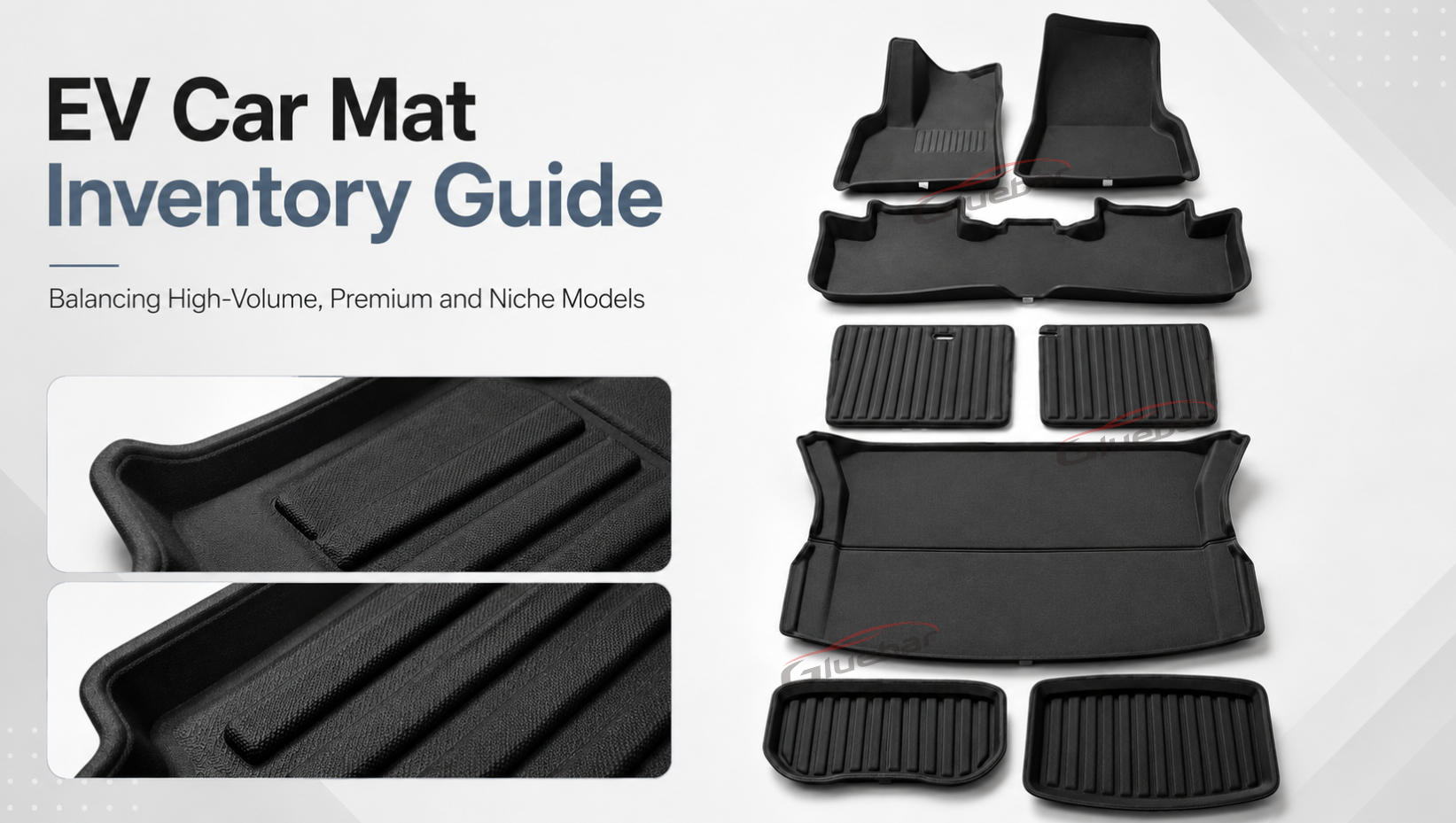
As demand for SUVs and MPVs continues to grow, more and more distributors are no longer focusing only on front and rear floor mats when making purchasing decisions. They are also looking at whether trunk mats or cargo liners can be supplied as matching products. For distributors, this kind of support is important because it not only makes the product line more complete, but also helps increase order value. It is especially suitable for models such as Corolla Cross, RAV4, Prado, Fortuner, Sienna, and Alphard.
A mature supplier should ideally be able to support not only floor mats, but also the development and supply of matching trunk mats. The value Gluebar offers here is not simply one more product. It is the ability to help distributors make the “floor mats + trunk mats” combination more complete and more suitable for actual sales.
5. MOQ and Lead Time Support
At different stages of development, distributors usually have different expectations for MOQ and lead time. During the market testing stage, they may care more about whether the minimum order quantity is reasonable. Once sales become more stable, they are more likely to focus on whether lead times are clear and whether bulk supply can be handled smoothly. This means that whether a supplier can offer a practical MOQ structure and a clear, executable delivery schedule will directly affect whether distributors are willing to cooperate over the long term.
For distributors, this kind of support is more meaningful than surface-level marketing language. If Gluebar can stay aligned on MOQ, sampling, mass production, and delivery rhythm, then its value to distributors is not simply that of “a factory,” but that of a production partner that can move in step with the pace of the distributor’s business.
6. Branding and Packaging Support for Distributors
Many distributors are not just selling products. They are also gradually building their own product systems and market image. For this reason, whether a supplier can support custom logos, packaging, installation cards, and multilingual labels can become an important factor in the purchasing decision. For distributors, this kind of support is not only about how the product looks, but also about whether it can enter local markets and channel systems more smoothly.
In this respect, Gluebar is better understood as a cooperative manufacturing partner. In other words, it should not only supply the product itself, but also be able to work with distributors on brand presentation, packaging execution, and delivery materials, helping customers move the product more efficiently from the factory side to the market side.
7. Production Coordination for Long-Term Cooperation
Suppliers that are truly suitable for long-term cooperation with distributors are usually not just those that can accept orders, but those that can continue to coordinate as the market changes. This includes things such as expanding model coverage, adjusting SKUs, optimizing replenishment rhythms for best-selling items, and responding to different regional requirements for packaging and bundled products. All of this requires a certain level of production coordination capability. For distributors, long-term cooperation is not a one-time purchase. It is about finding a factory-side partner that can continue to support the business as it grows.
From this perspective, whether Gluebar is worth working with is not determined only by what products it can offer today, but also by whether it can provide stable, continuous, and practical production support throughout the ongoing cooperation. This kind of coordination capability often matters more than simple price competition when it comes to determining how far a business relationship can go.