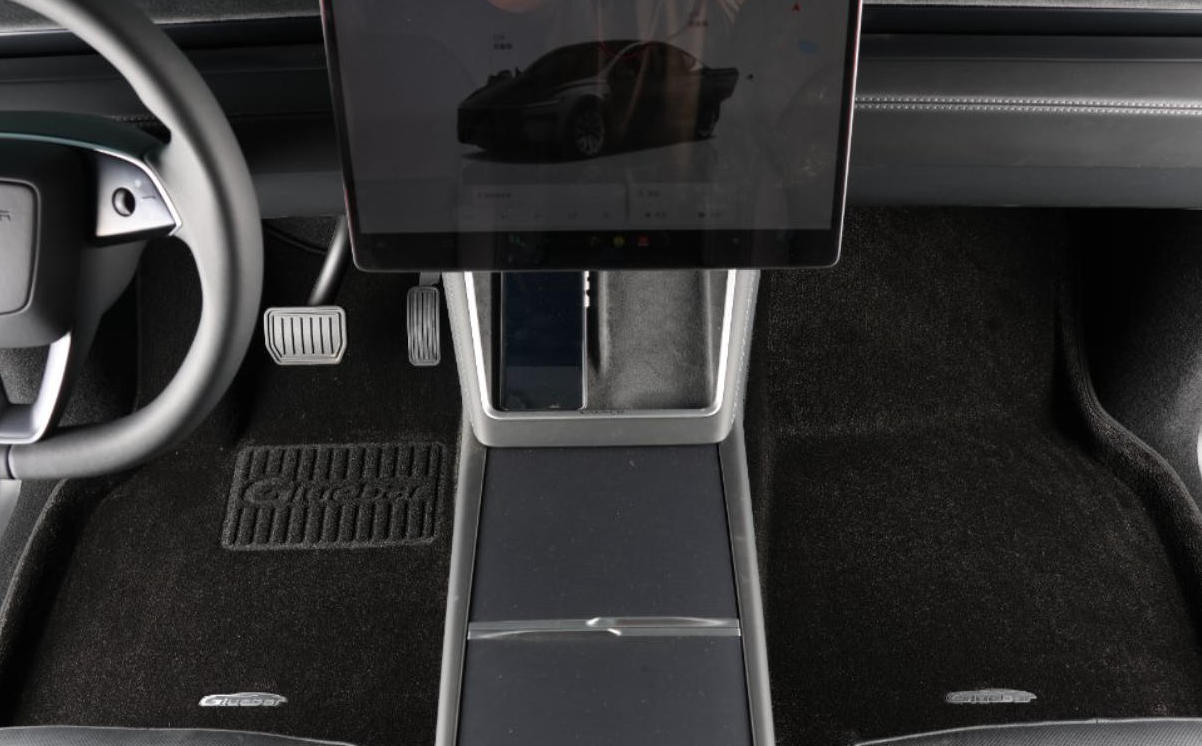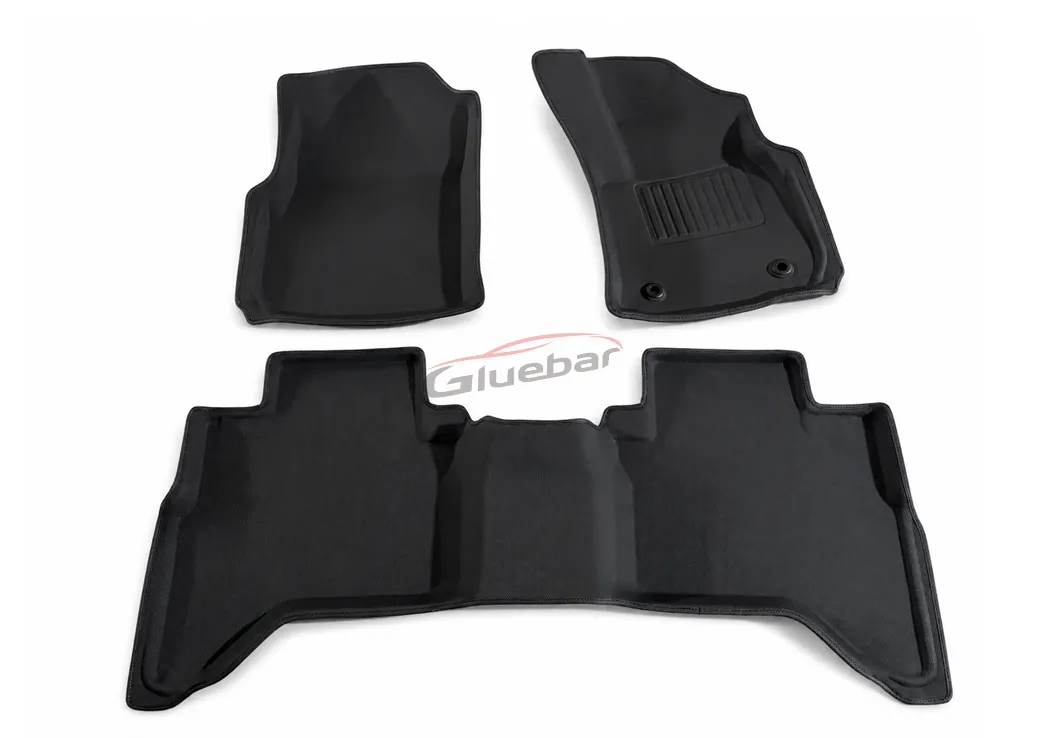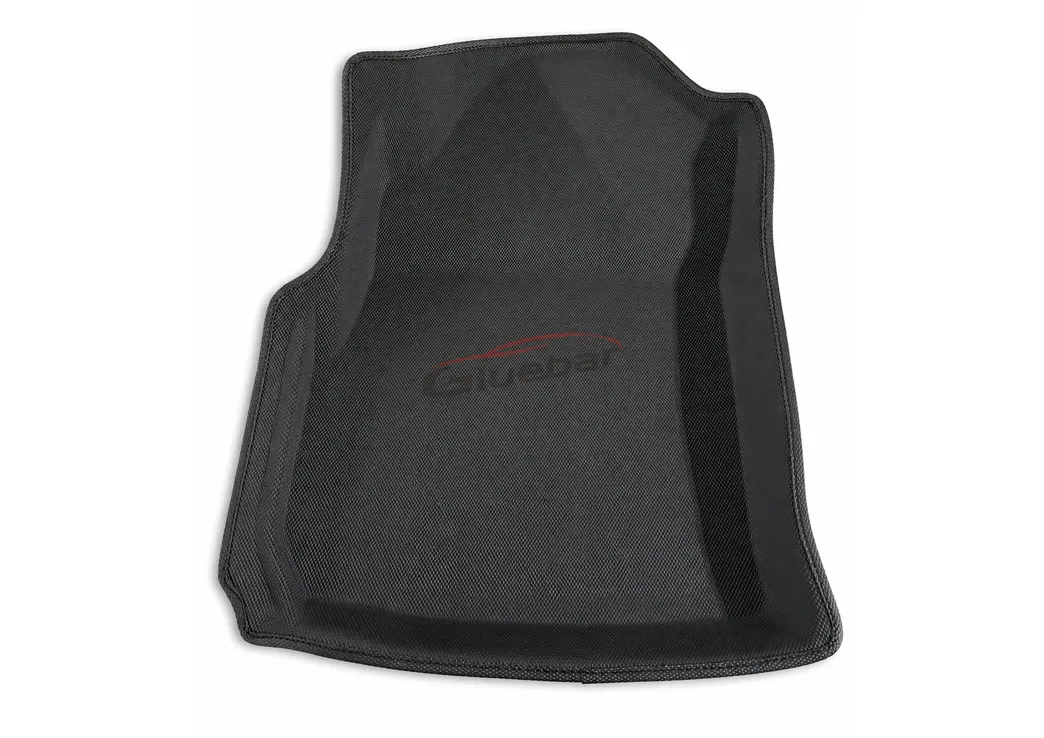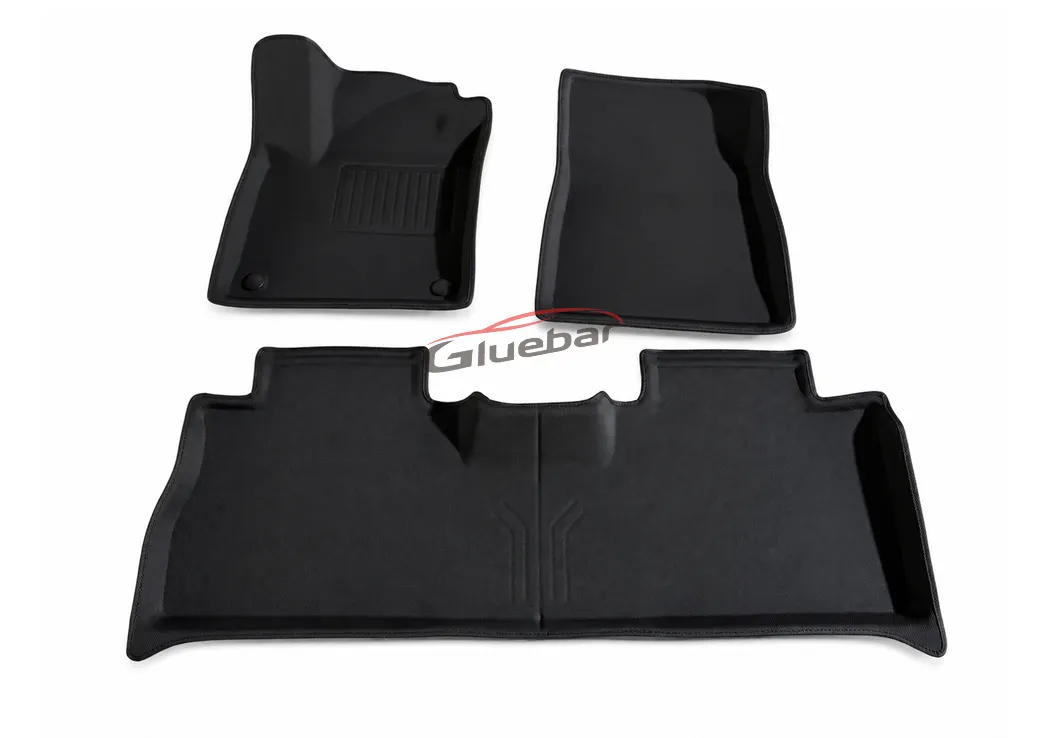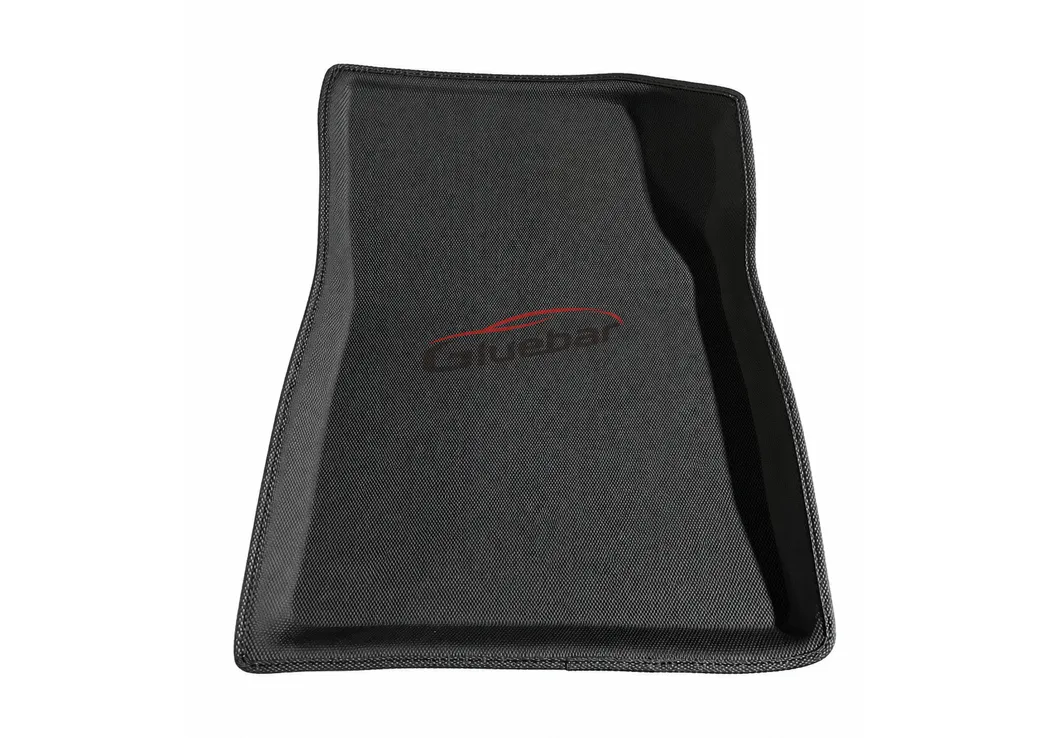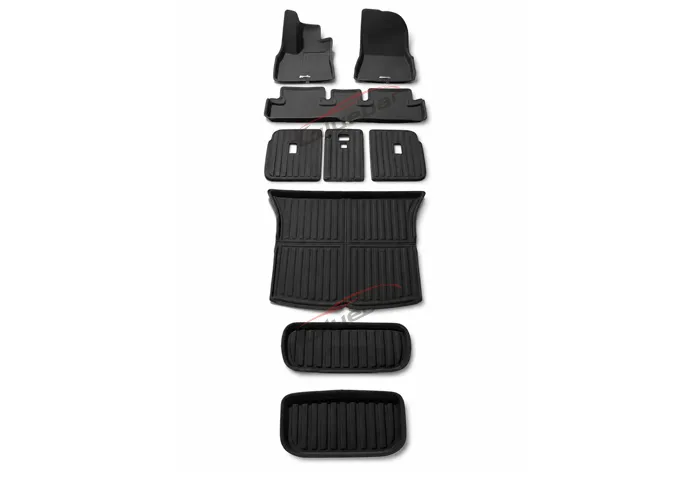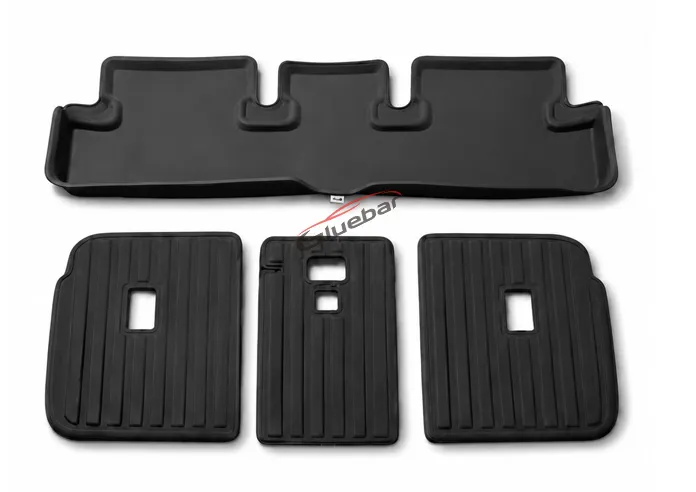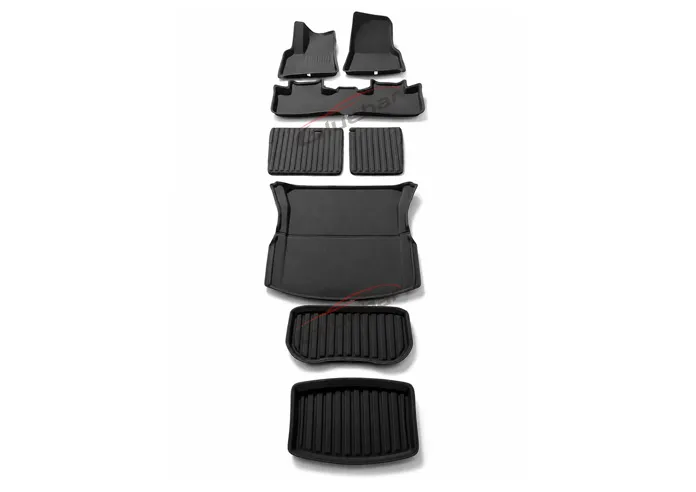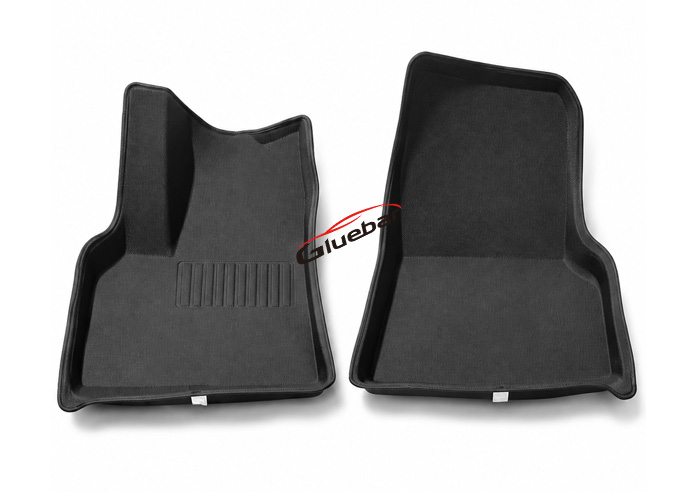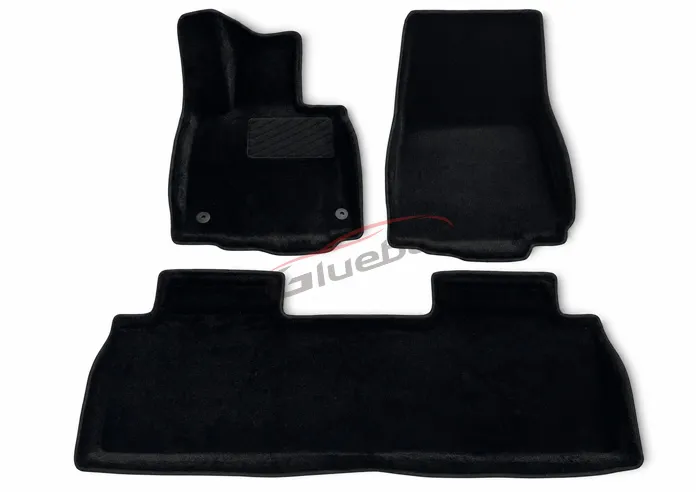
EVs are not just cars with batteries. Their cabin layout, daily driving patterns, and users’ expectations are different. Many EVs have flatter floors, more frequent city commuting, and a quieter, more sealed cabin—so buyers care more about precise fit, low odor, easy cleaning, and safety around pedals. This guide explains how to choose EV car floor mats by vehicle type, material, and real user scenarios.
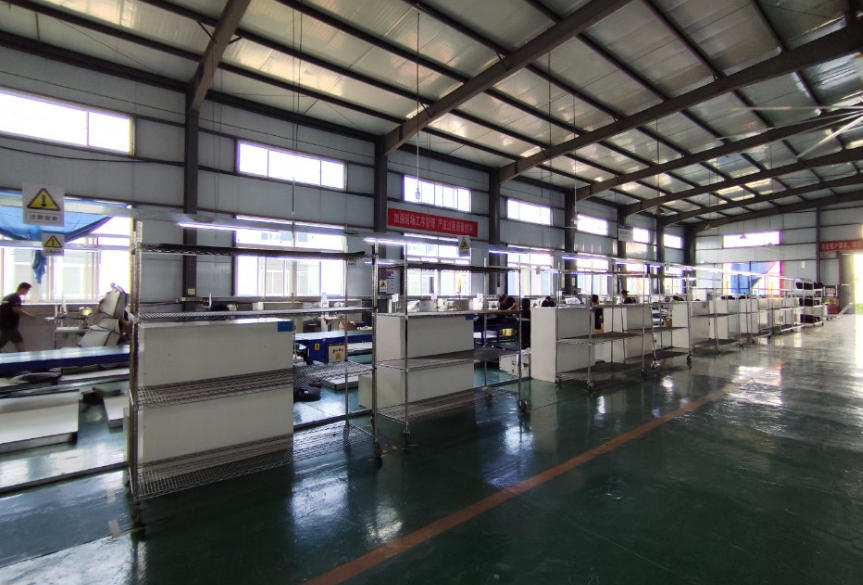
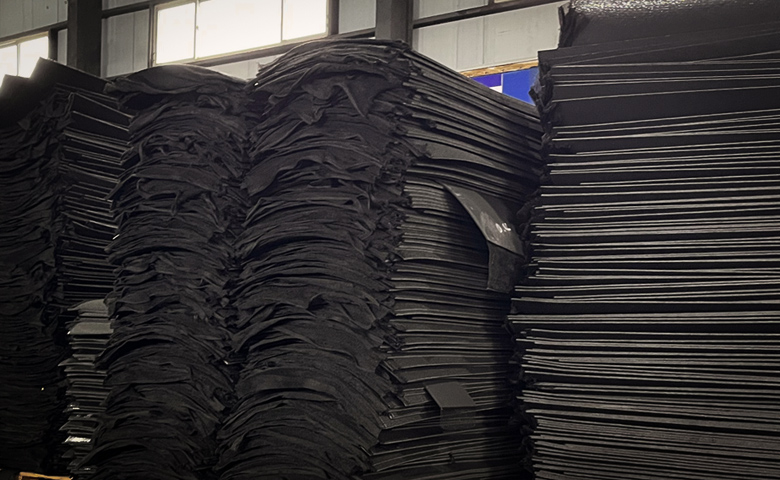
As a professional China factory, we specialize in providing One-stop EV Floor Mat Customization that covers all stages from 3D vehicle scanning to mass production.
Table of Contents
- Start with Your EV Type (Sedan / SUV / MPV / EV Pickup)
- Know Your Cabin Structure (Flat Floor, Rails, Vents, Layout Differences)
- Choose Material Based on Climate and Odor Sensitivity
- Choose the Right Set for Your Daily Use (Rows + Cargo)
- Safety First: Driver Area Rules for EVs
- Details That Matter: Edge Height, Channels, Surface Texture
- For B2B Buyers: What to Confirm Before Ordering
- Summary
Start with Your EV Type (Sedan / SUV / MPV /EV Pickup)
Different EV body types create different mat priorities.
EV Sedans usually focus on clean fit and daily commuting comfort. A custom-fit set with moderate walls is often enough.
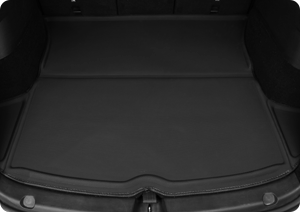
EV SUVs often need stronger containment because people carry more gear, kids, and outdoor items. Full set plus cargo liner is common.
EV MPVs are family and passenger focused, so you need full coverage and easier cleaning (spills happen).
EV Pickups / Commercial EVs require durability and fast cleaning more than softness.
Know Your Cabin Structure (Flat Floor, Rails, Vents, Sensors)
Many EVs have a flat rear floor and a modern cabin layout. That changes how mats should fit.
What to check
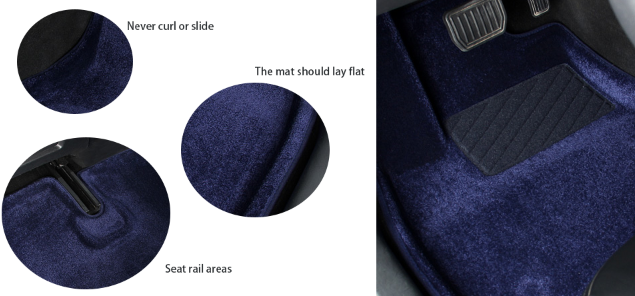
Seat rail areas: mats must not push against rails or block movementUnder-seat vents (some models): mats should not block airflow
Floor height differences: the mat should lay flat without forcing corners up
Pedal zone shape: driver area must never curl or slide
Rule: If a mat needs “extra adjustments” to fit, it is not a real fit.
Choose Material Based on Climate and Odor Sensitivity
EV cabins are quieter and often more sealed, so odor becomes a bigger deal than in many gas cars.
TPE All-Weather Mats (Recommended for most EVs)
Easy rinse, fast cleaning
Good balance of flexibility and durability
Usually lower odor when formulation is controlled
Great for city commuting and family use
Rubber Mats (Heavy-duty choice)
Strong grip and toughness
Good for work vehicles and wet/muddy use
Quality varies; low-grade rubber can smell and stiffen in cold weather
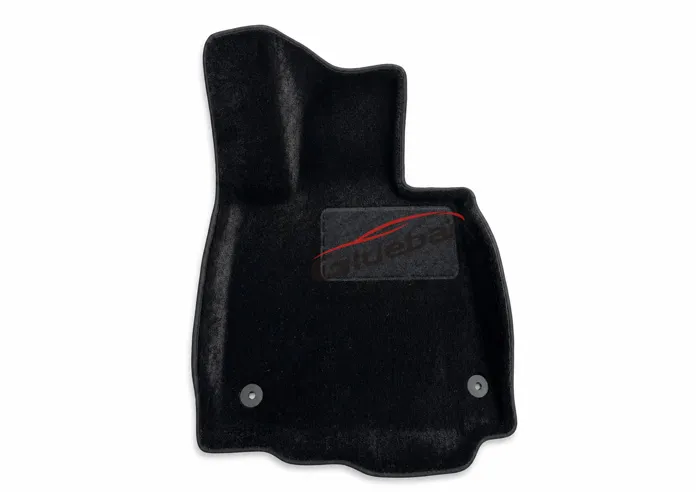
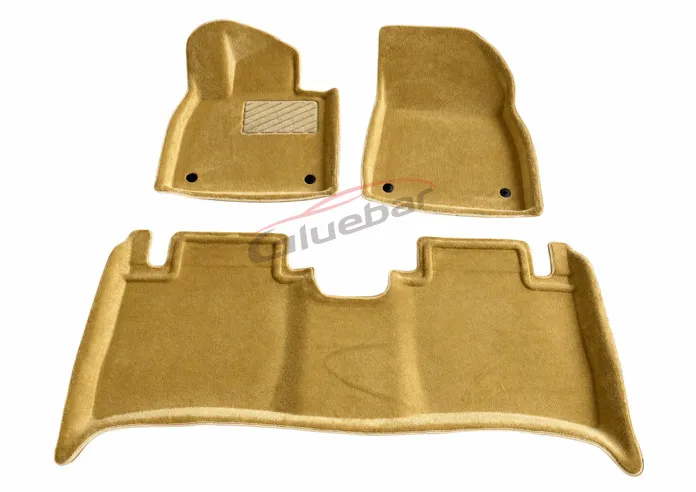
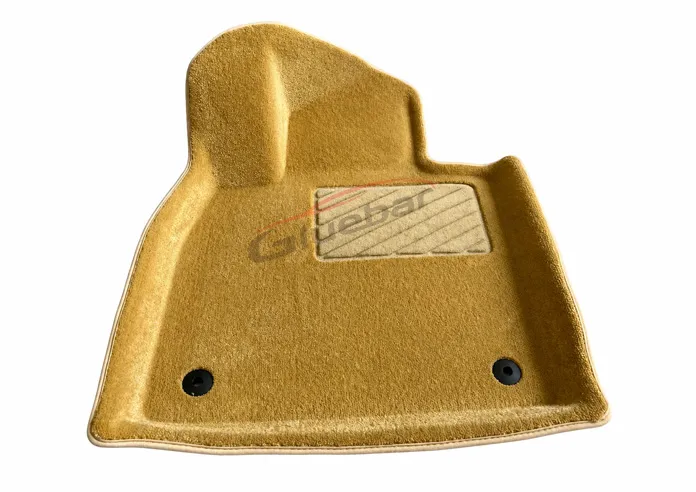
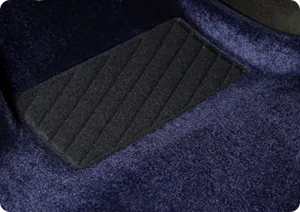
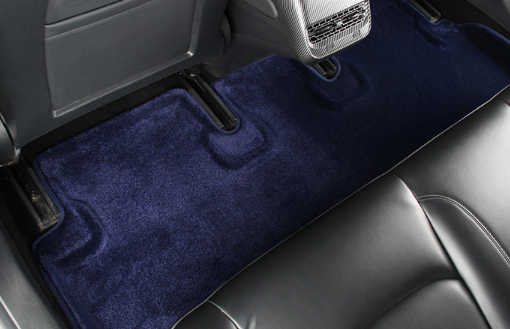
Carpet Mats (Comfort choice, but limited)
Soft and quiet
Looks premium in clean, dry regions
Absorbs water/stains and can trap odor—less ideal for rainy/snow markets
Material rule for EV customers:
If your market cares about cabin freshness, choose low-odor, easy-dry surfaces first, then decide thickness and softness.
Choose the Right Set for Your Daily Use (Rows + Cargo)
EV owners often do frequent short trips—more entry/exit means more dust and water. Match coverage to behavior.
Most common EV bundles
City commuter: front + rear full set
Pet owner: cargo liner + rear mats, scratch-resistant surface
Outdoor / camping: full set + cargo liner + deeper channels
Ride-hailing / fleet: full set, durability and easy cleaning first
Simple rule: If you carry anything in the back more than twice a week, add a cargo liner.
Safety First: Driver Area Rules for EVs
EV acceleration is instant. A sliding driver mat is a real risk.
Driver-side safety checklist
Anti-slip backing (strong grip texture)
Works with factory retention hooks if the vehicle has them
Mat lays flat and does not curl up
Pedal clearance is correct; no interference at full pedal travel
Quick test: Install → push mat forward by foot → press pedals fully. If it moves, don’t use it.
Details That Matter: Edge Height, Channels, Surface Texture
These details decide whether a mat feels “premium” and whether the carpet stays protected.
Edge height (walls)
Low edges look sleek but may leak in rain/snow
High edges contain water better but must be smooth, not sharp
Channels/grooves
Help keep water away from shoes
Reduce splash and spread dirt into one place
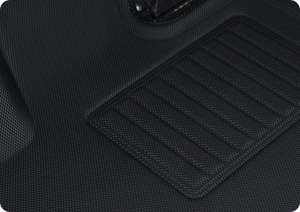
Surface texture
Too smooth: slippery when wet
Too rough: traps dust and is harder to wipe clean
Best balance: easy wipe + enough grip for shoes
For B2B Buyers: What to Confirm Before Ordering
If you’re selling EV car floor mats through distribution, online channels, or fleets, you need stability and consistency.
Confirm these points:
Accurate fit data by model/year
Stable material quality and odor control
Consistent wall height and structure (no warping)
Packaging and labeling options for your market
Lead time and production capacity
Clear QC standard (flat lay, edge finish, retention alignment)
Ready to scale your business? Partner with a reliable EV Car Floor Mat Factory for premium OEM/ODM services.
Summary
To choose EV car floor mats well, start from vehicle type and cabin structure, then match material to odor sensitivity and climate, and finally select coverage based on real user scenarios. For most EV customers, the safest default is:
Custom fit + all-weather design + low-odor material + strong anti-slip + proper wall height + easy cleaning.