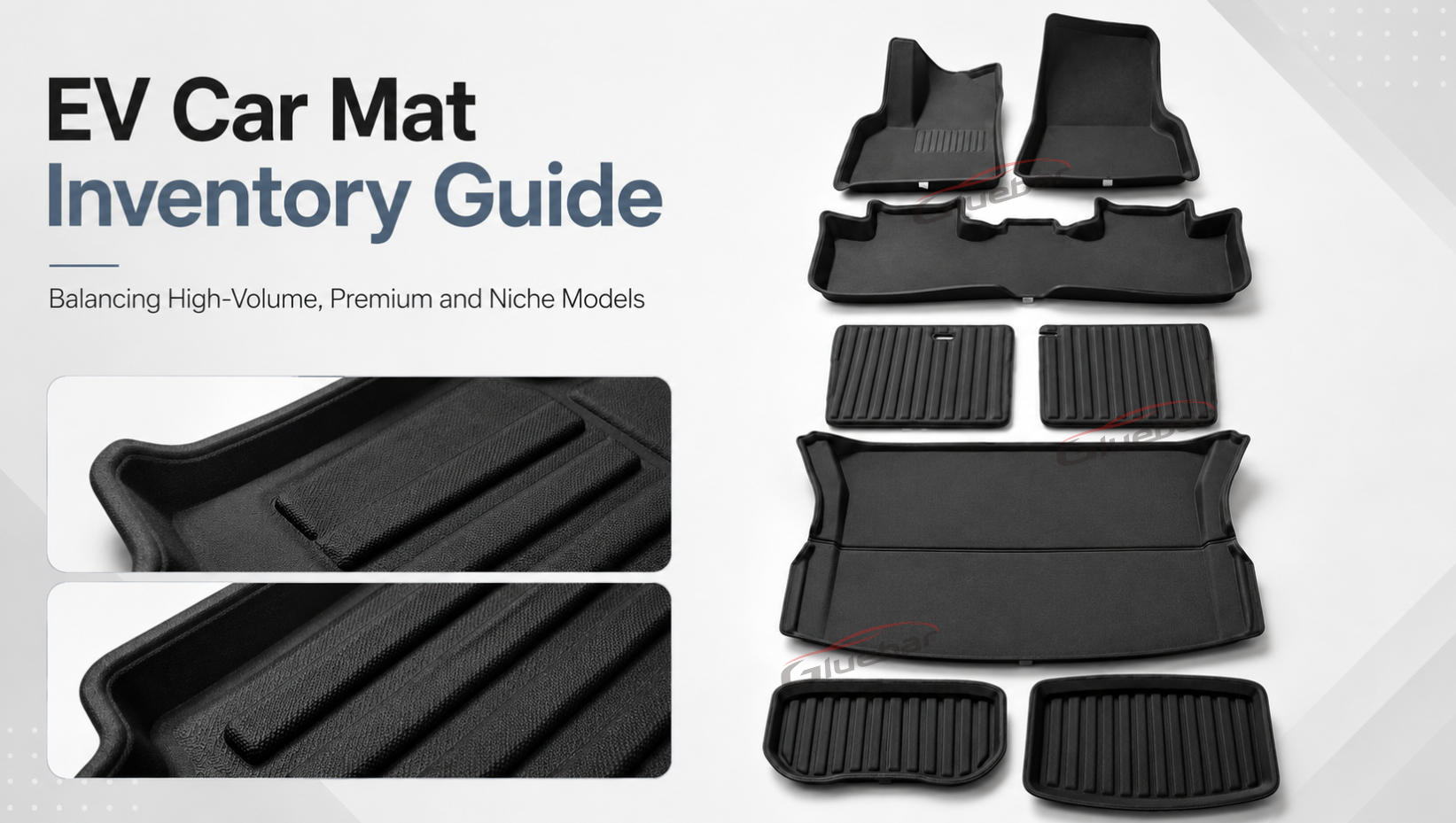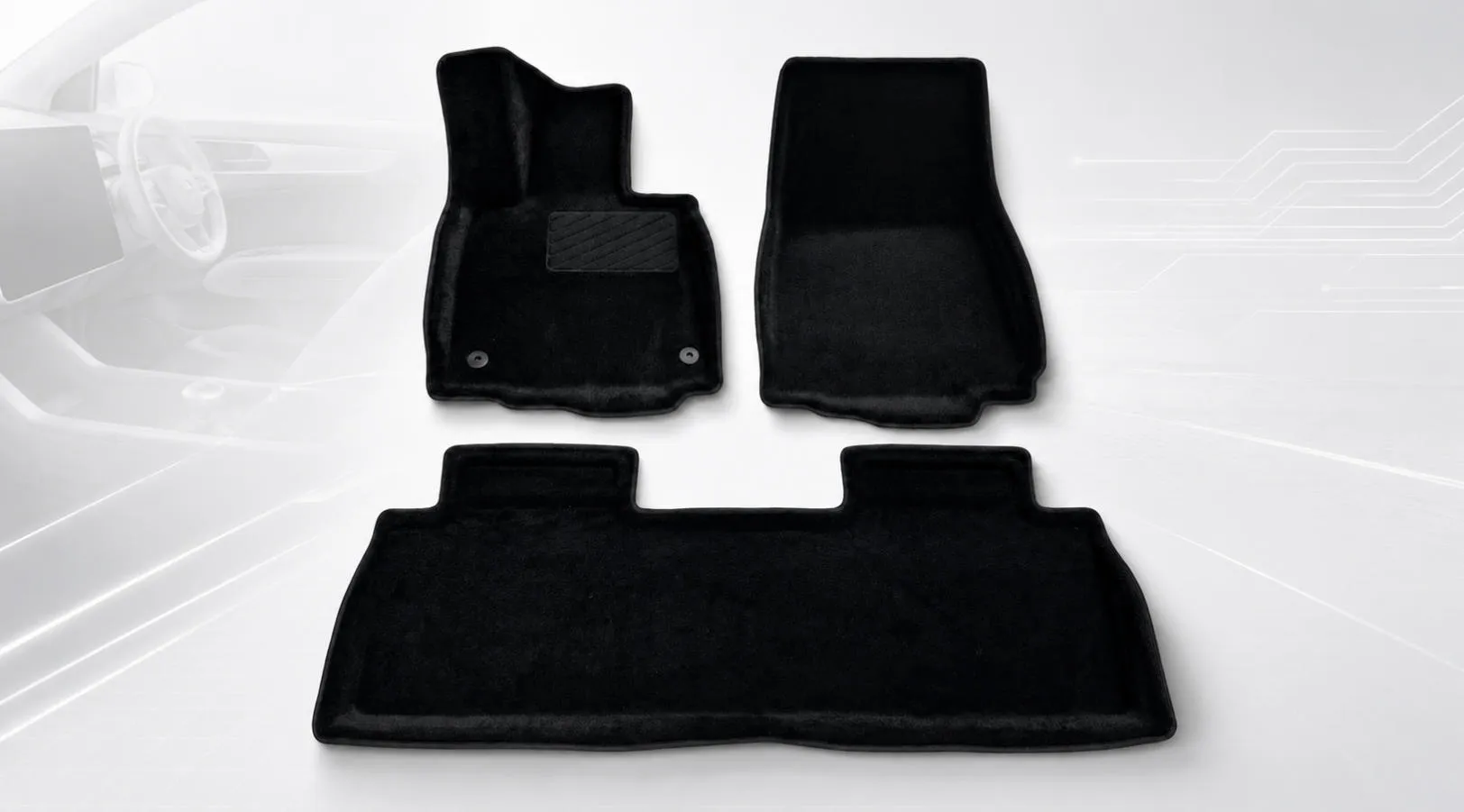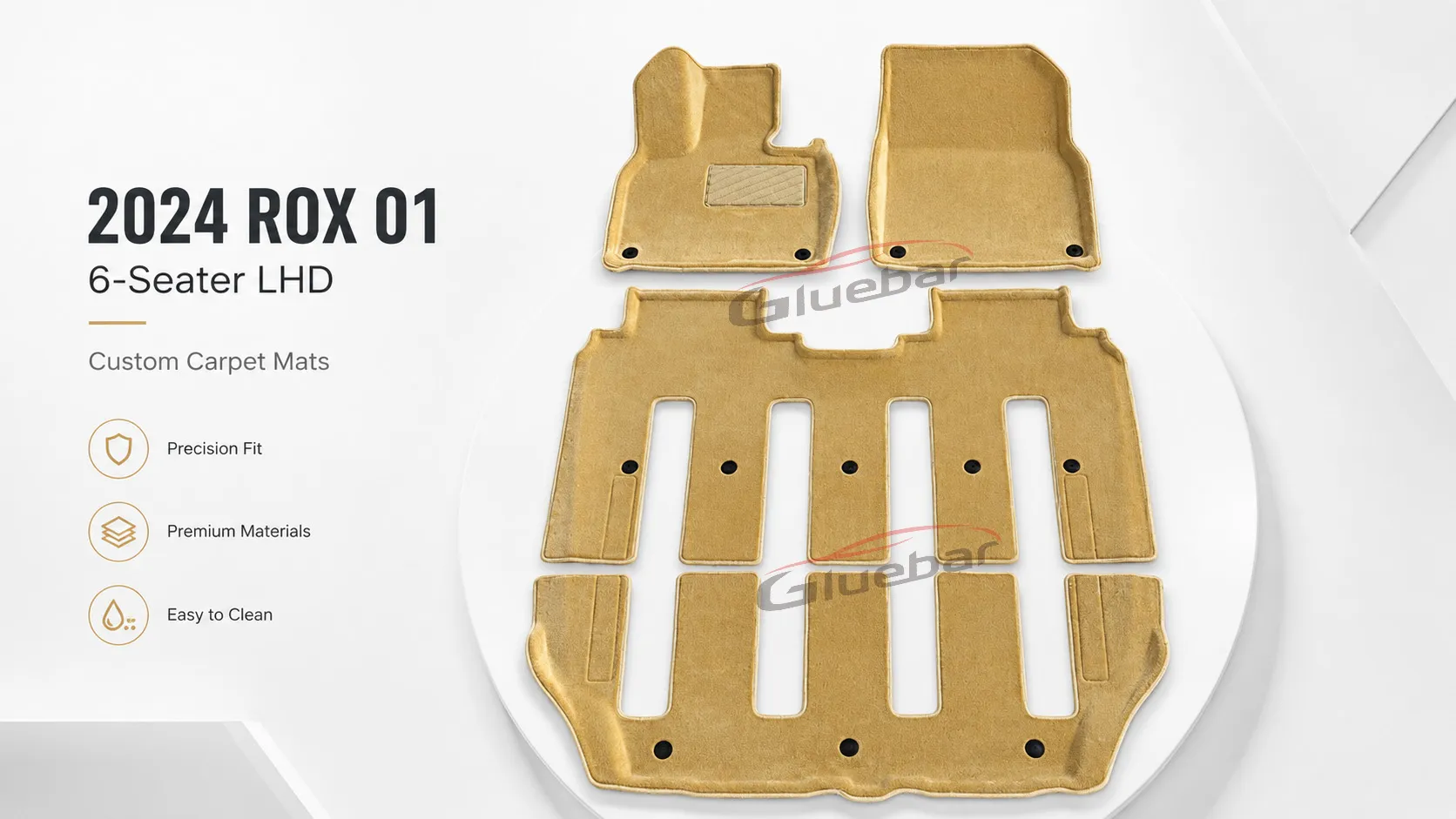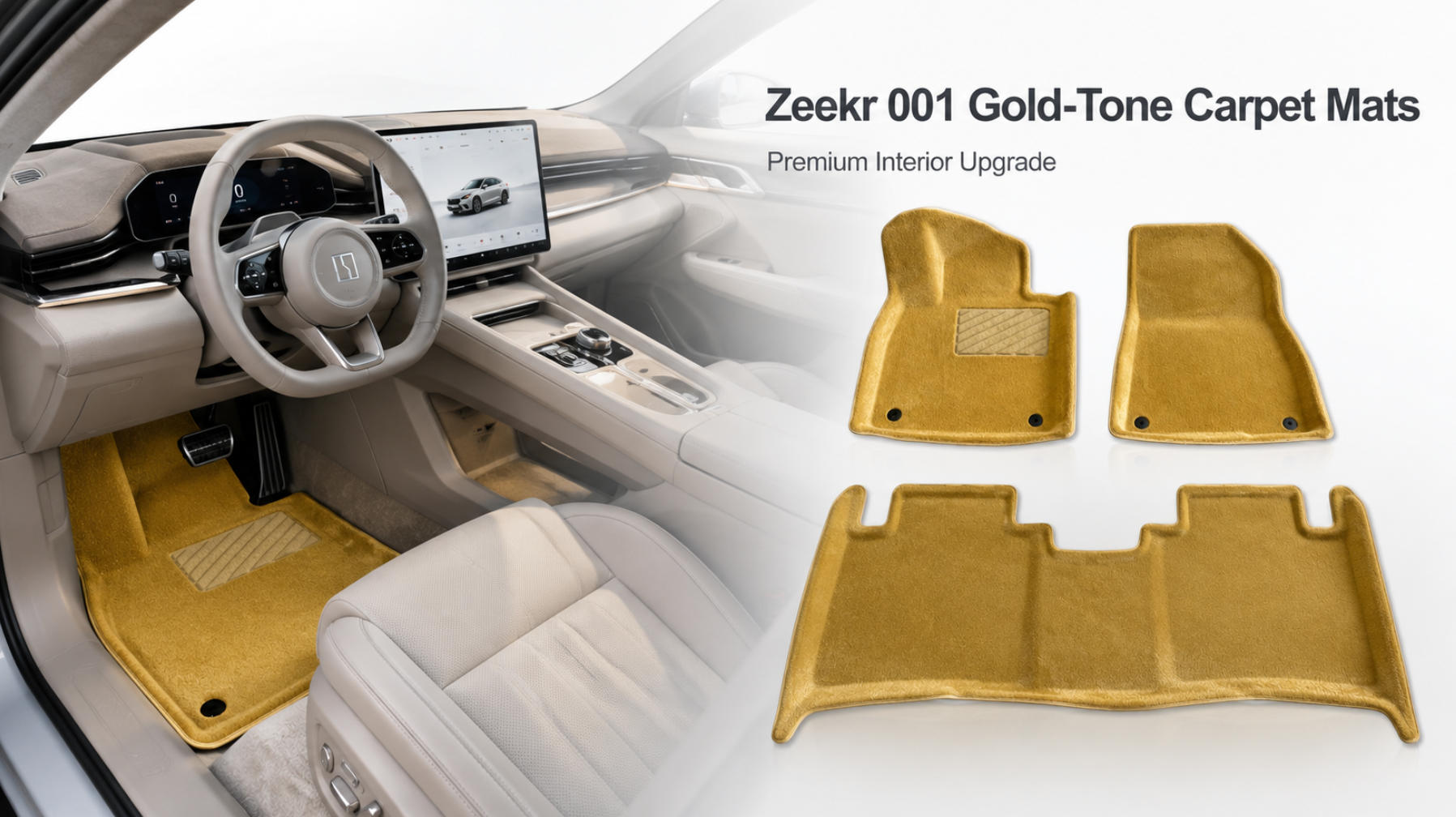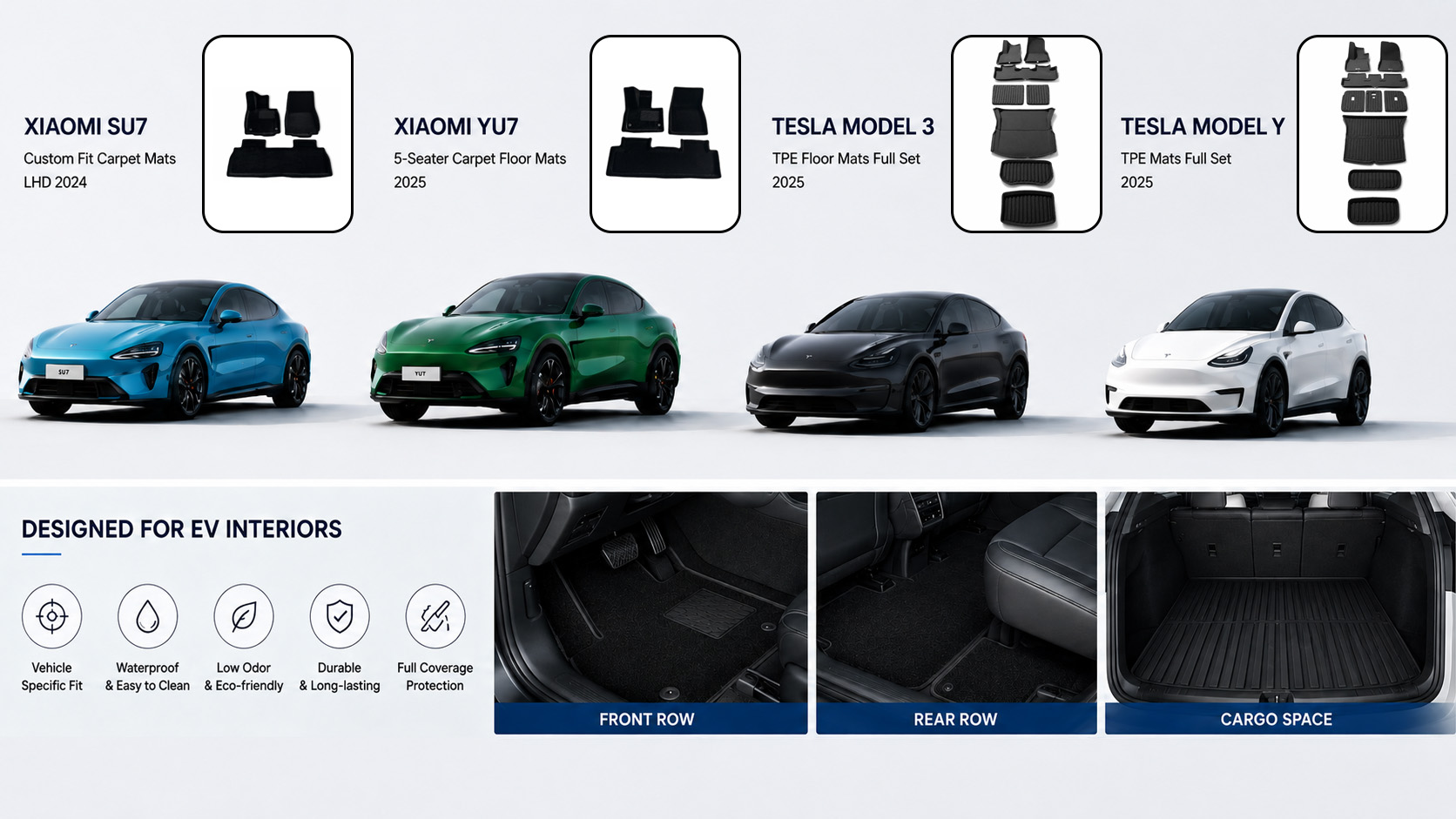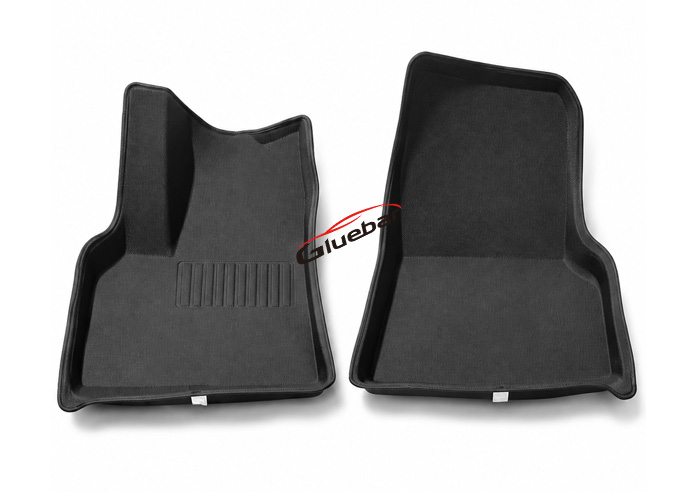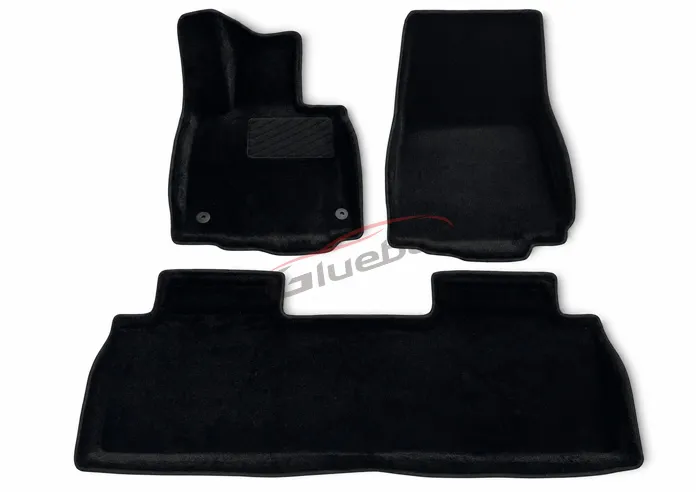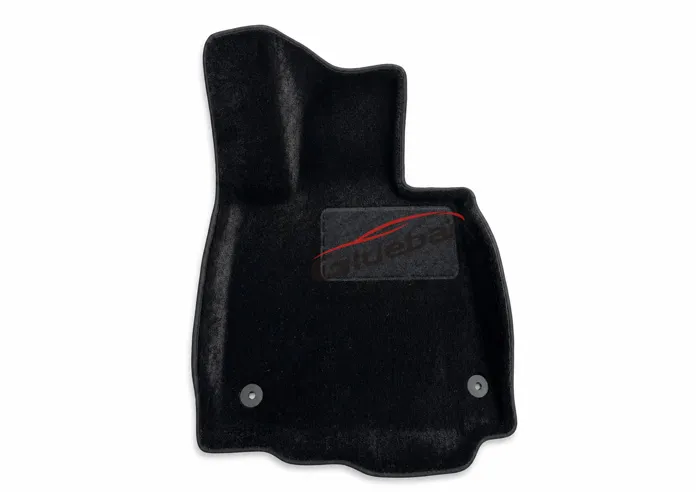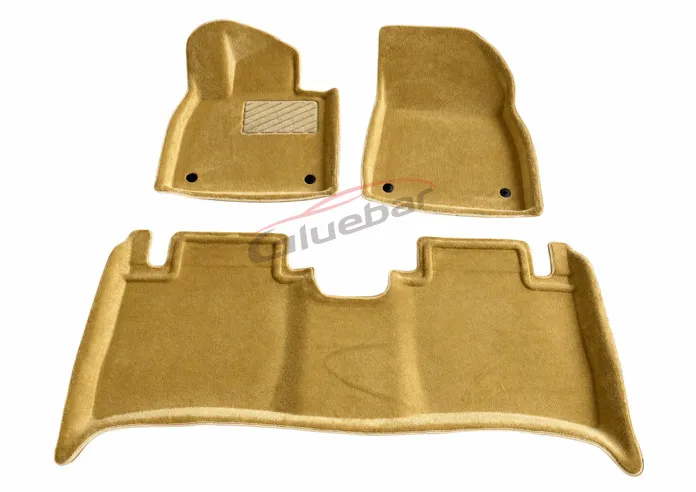
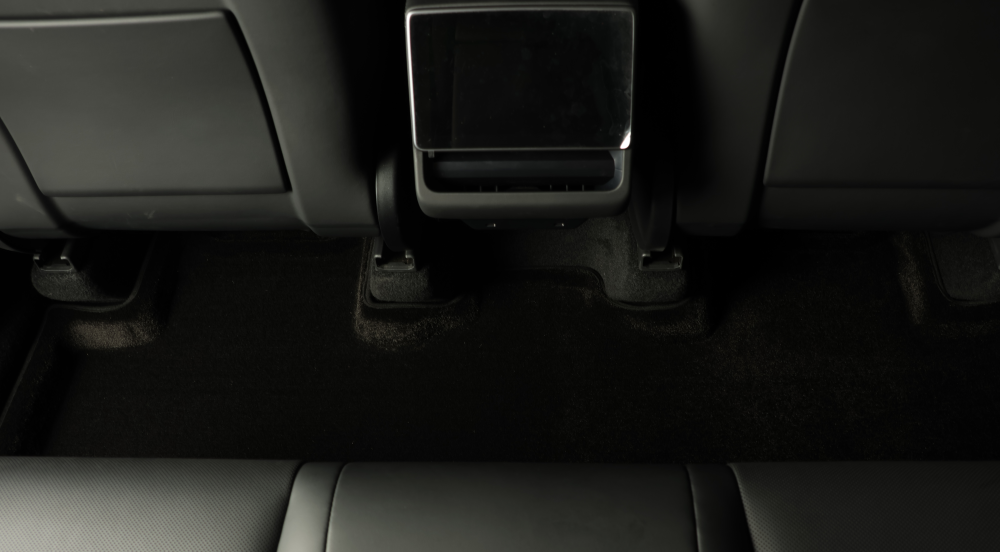
Electric vehicles arenot simply gasoline cars with a battery replaced.
The cabin is quieter and more sealed, daily commuting is more frequent, and pedal operation in the driver’s area is more sensitive. As a result, when choosing car floor mats,fit, odor control, cleaning efficiency, and pedal safetybecome much more critical.
Below is a practical buying guide, organizedfrom vehicle to driver, and from safety to durability, to help you make the right choice.
Start With 4 Core Standards
1) Fit Comes First
Prioritize vehicle-specific fit (model + year range + LHD/RHD). Better fit means fewer gaps, less edge curling, and less dust/water getting under the mat.
2) Driver-Side Safety
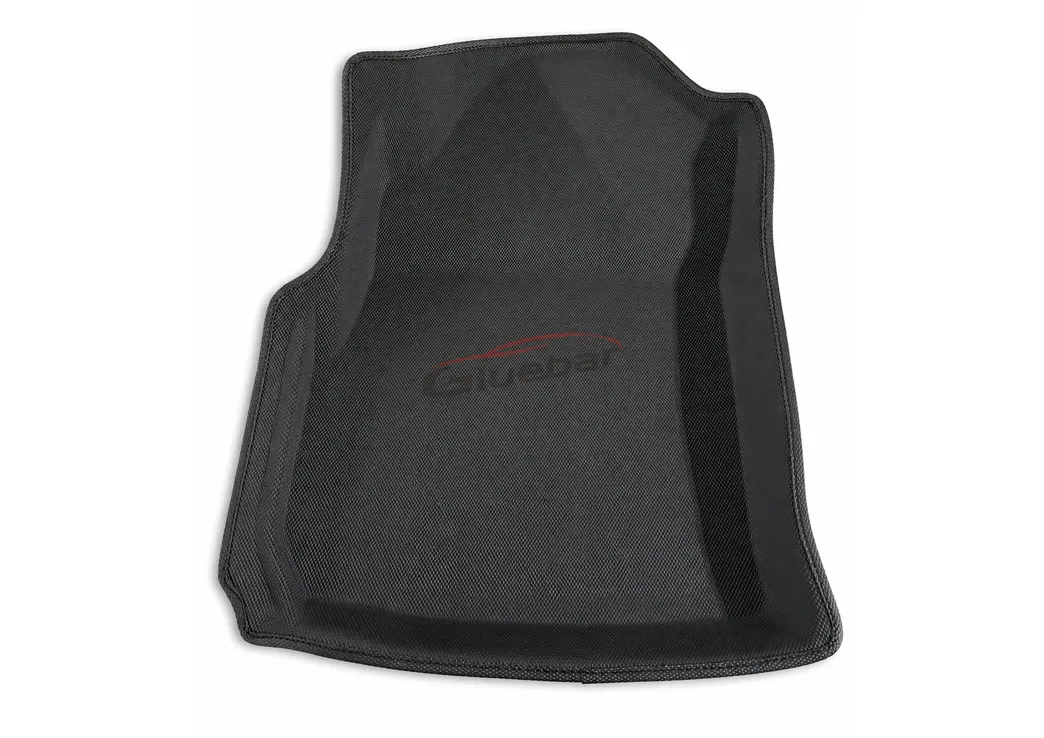
The driver mat must have strong anti-slip backing, correct retention alignment, and full pedal clearance. If it can slide forward or curl near pedals, reject it.
3) Odor Control
EV cabins amplify odor. Don’t judge by the material name alone. look for stable manufacturing and real low-odor performance, especially in hot weather.
4) Cleaning Efficiency
More short trips = mats look dirty faster. Choose surfaces that rinse fast, dry fast, and don’t hold stubborn stains.
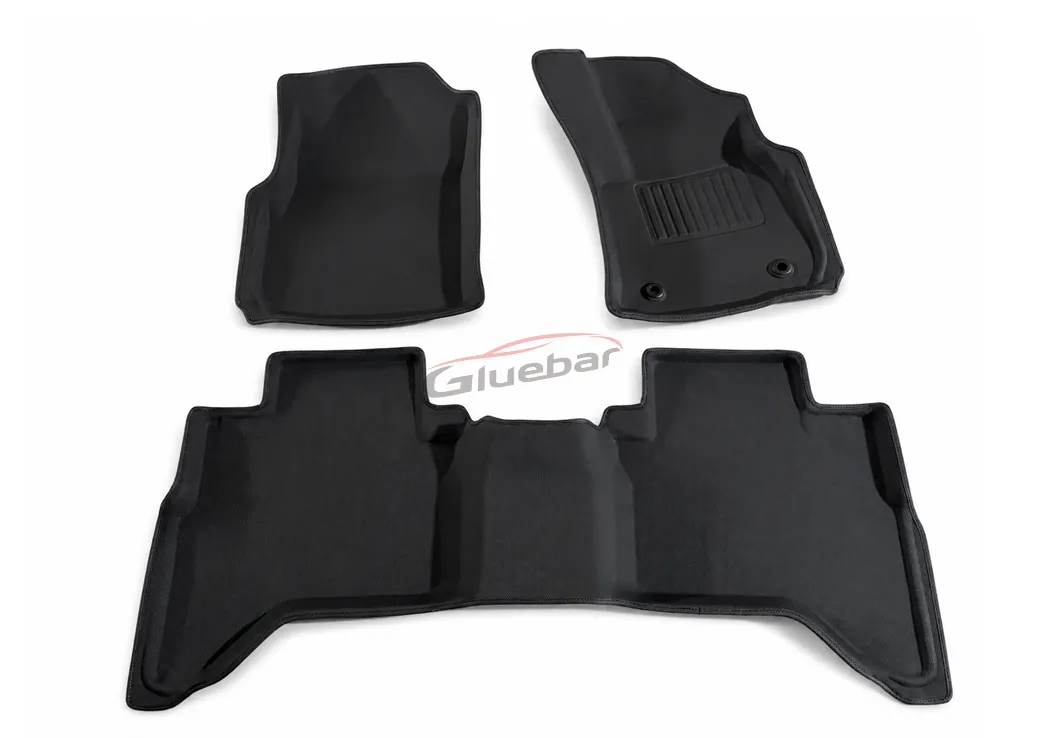
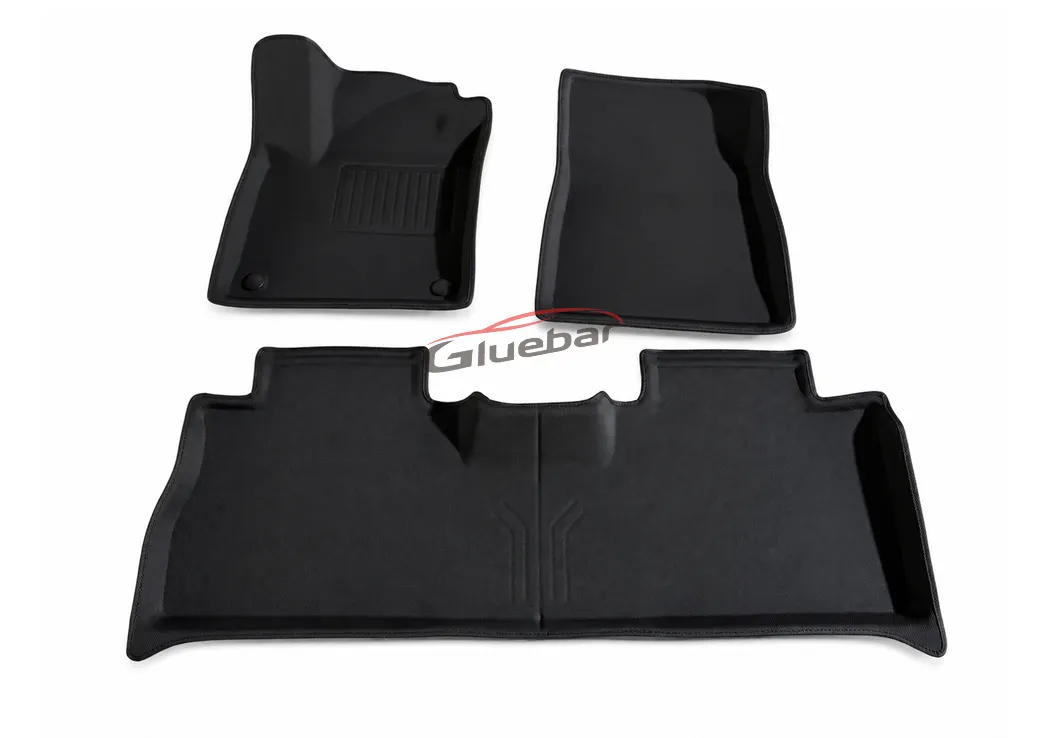
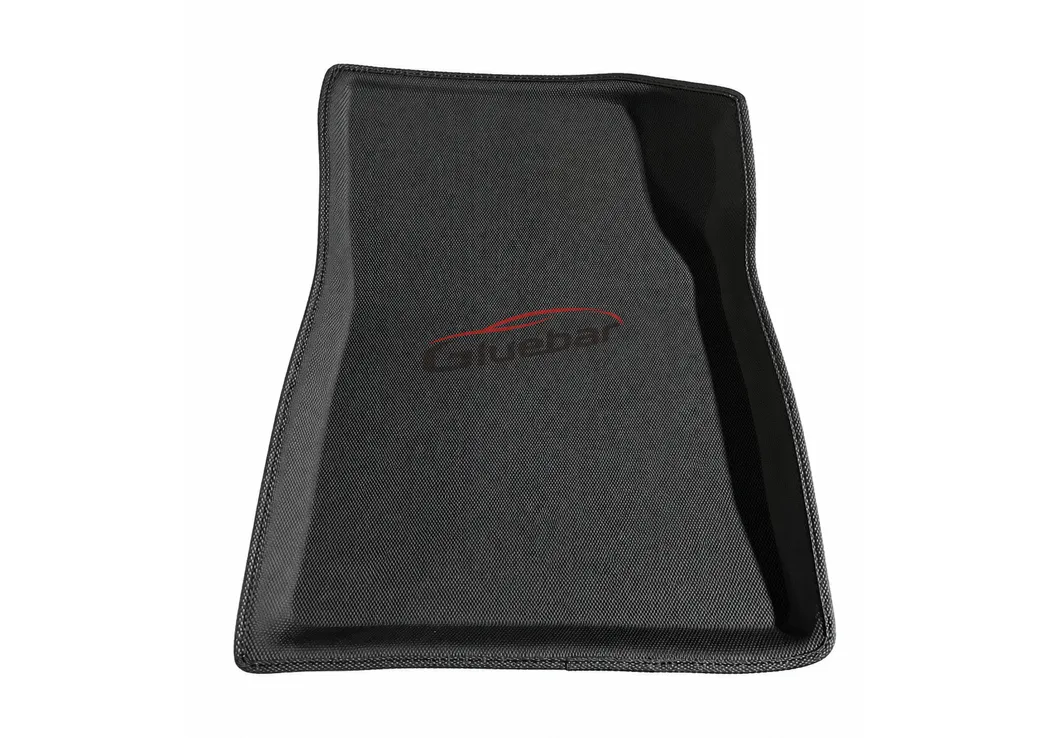
As a professional manufacturer, Gluebar strictly follows these standards in our Premium EV Floor Mat Solutions, ensuring every batch meets the high requirements of global EV importers.
Match the Mat to Your EV Type and Cabin Structure
Different choices for Sedans / SUVs / MPVs
Sedan: Focus more on precise fit and daily comfort. In most cases, a front + rear full set is enough.
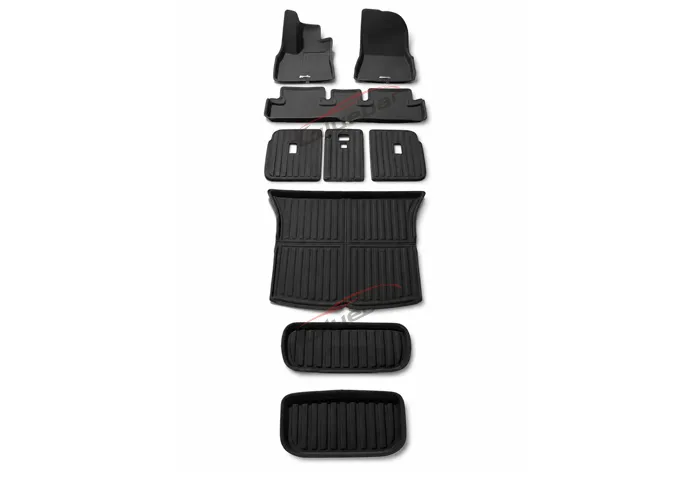
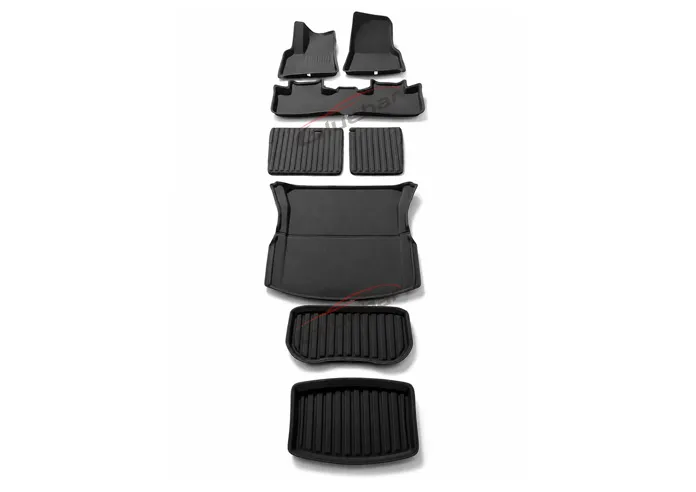
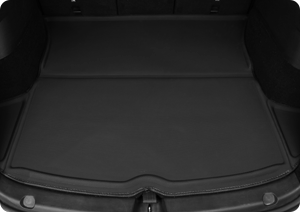
SUV: Carries more cargo and gear. A full set + cargo/trunk mat is recommended.
MPV: More family use and higher spill risk. Go for full coverage and prioritize easy-clean materials.
Fleet / Ride-hailing: Put durability and fast cleaning first to reduce downtime.
Check 4 key structure points
Seat rail areas: Mats must not press against the rails or block seat movement.
Under-seat vents (some models): Do not block airflow channels.
Floor height differences: Mats should lay flat naturally—don’t force-fit corners that cause edge curling.
Pedal zone: The driver area must keep enough clearance; edges must not curl toward the pedals.
Choose Material Based on Climate and Use
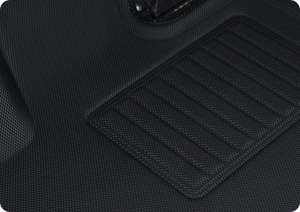
TPE All-Weather Car Floor Mats (Top choice for most EVs)
Easy to rinse and easy to maintain
Great balance of flexibility and durability
When the formulation is well-controlled, odor is more cabin-friendly
Best for: city commuting, family vehicles, mixed climates (four seasons), fleets.
Rubber Car Floor Mats (Heavy-duty durability option)
Strong anti-slip performance and built to take abuse
Better for muddy conditions, job sites, and delivery/work vehicles
Note: low-grade rubber may have strong odor, and it can become stiff in cold weather.
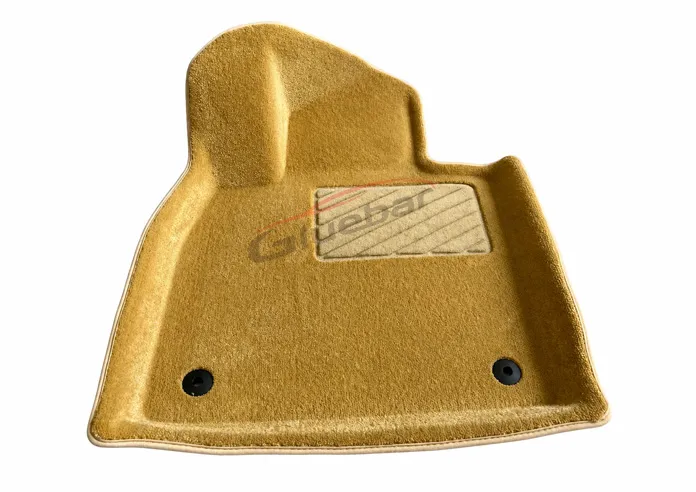
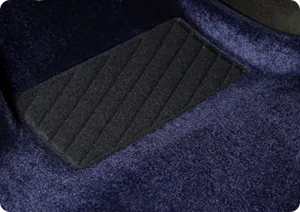
Carpet Car Floor Mats (Comfortable but higher maintenance)
Softer underfoot and better for a quiet cabin feel
Best for dry regions and owners who keep the interior clean
Note: absorbs water and stains, can trap musty odor in humid conditions, and is not ideal for rainy/snow markets.
Coverage: How to Choose the Right Set (Don’t Stop at “Front Row Only”)
Direct answers by scenario
City commuting: front + rear full set
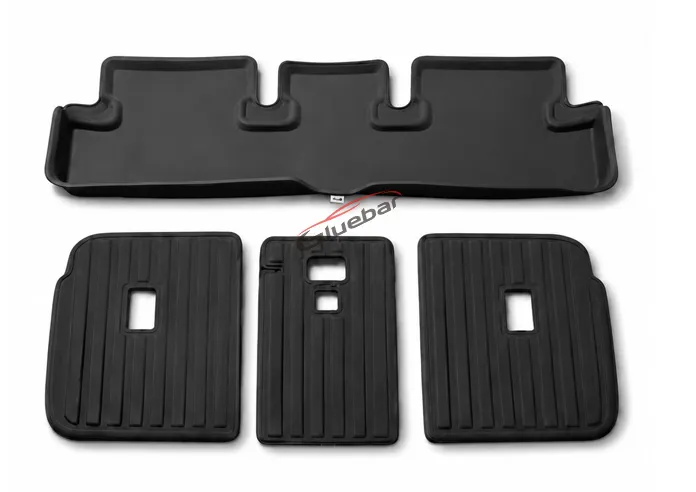
Family use: full set + higher walls + easy-clean surface
Pet owners: cargo/trunk mat + rear mats (scratch-resistant, easier hair removal)
Camping / outdoor trips: full set + cargo/trunk mat + deeper channels
Rain / snow / road salt: full set + high walls + deep channels (most important)
A simple rule
If you load items into the trunk more than twice a week, add a cargo/trunk mat—it’s usually the best value.
Details Decide the “Premium Feel” and Water Containment
Edge height (walls)
Low walls: slimmer and lighter, but water can overflow more easily in rain/snow
High walls: better spill containment, but they should be smooth and rounded—so they don’t catch shoes or feel bulky
Channels and surface texture
Channels: keep water and mud inside the grooves to reduce spreading
Texture: too smooth can be slippery; too rough can trap dust and be harder to wipe
Best balance: easy to wipe + enough grip for shoes
Reinforced driver heel area
The heel zone is the highest-wear spot. Reinforcement improves durability and helps prevent tearing or deformation over time.
Quick Buying Checklist
For car owners
Vehicle-specific fit (model/year/LHD-RHD)
Driver safety: anti-slip + retention points + full pedal clearance (no interference)
Material: prioritize low odor, rinse-friendly, fast drying
Edges: in rain/snow markets, choose higher walls + deeper channels
Coverage: front + rear full set; add a cargo/trunk mat if you use the trunk often
For B2B buyers
Accurate fit data with clear year-range separation
Stable material consistency and odor-control performance
Stable structure with low warping risk (edge curl, edge finishing, retention alignment)
Clear lead time, production capacity, and QC standards
Packaging and labeling options that match different sales channels/markets
Need a factory that understands EV specifications? Explore our Global EV Floor Mat OEM Services for your next large-scale procurement.
Conclusion
The most reliable order for choosing EV car floor mats is:
fit + driver-side safety first → then material (odor and climate first) → then coverage and structural details based on real scenarios.
Do these three steps well, and the mats will be truly easy to live with—durable, easy to clean, and better aligned with EV owners’ expectations for comfort and safety.