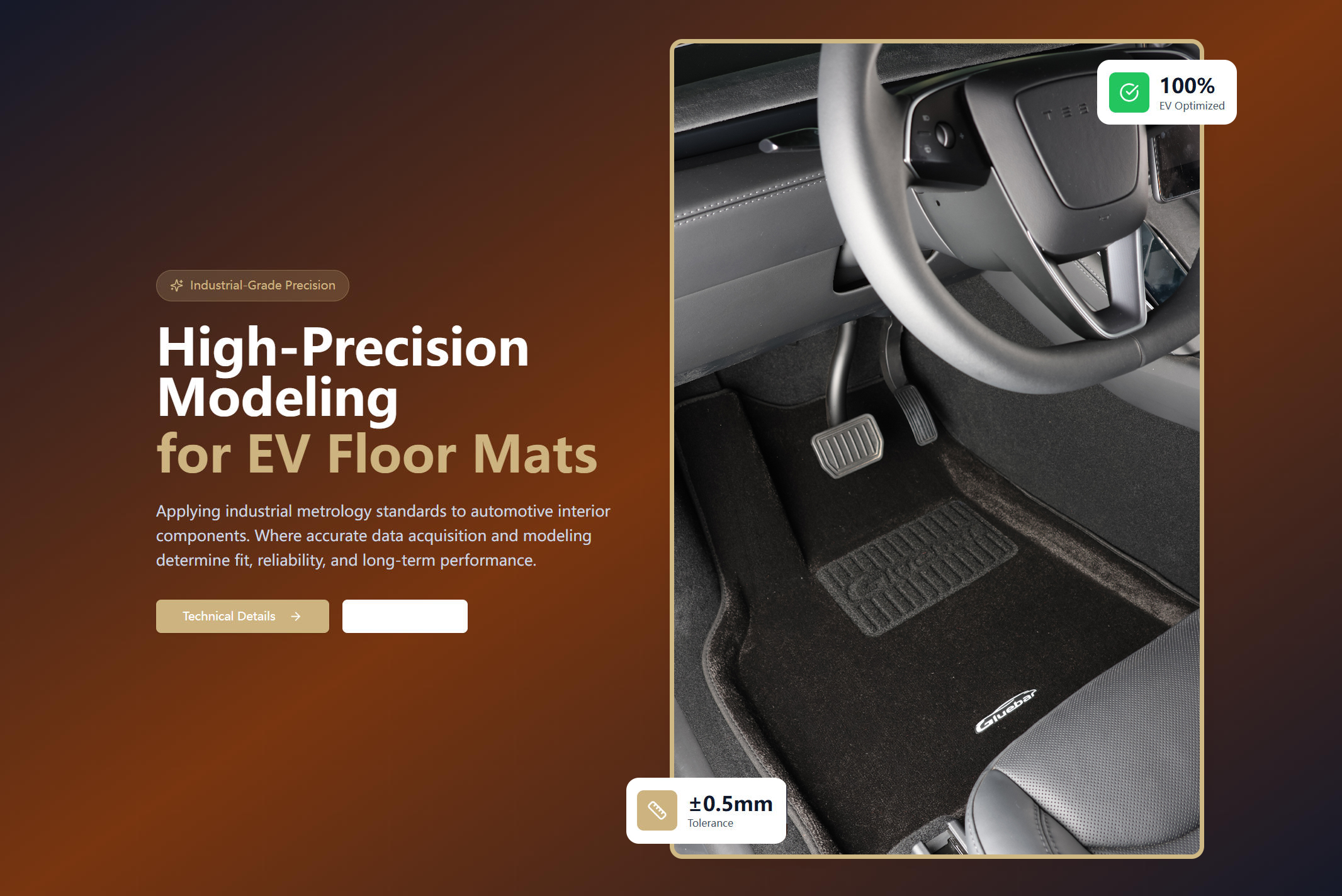
Over the years, the adoption of high-precision modeling methods has become an important tool in the industrial and manufacturing sectors.
In the fields of aerospace, precision instruments, and industrial industries, the adoption of high-precision modeling enables accurate data collection, which can then be used to evaluate the product's adaptability, performance, reliability, and other aspects.
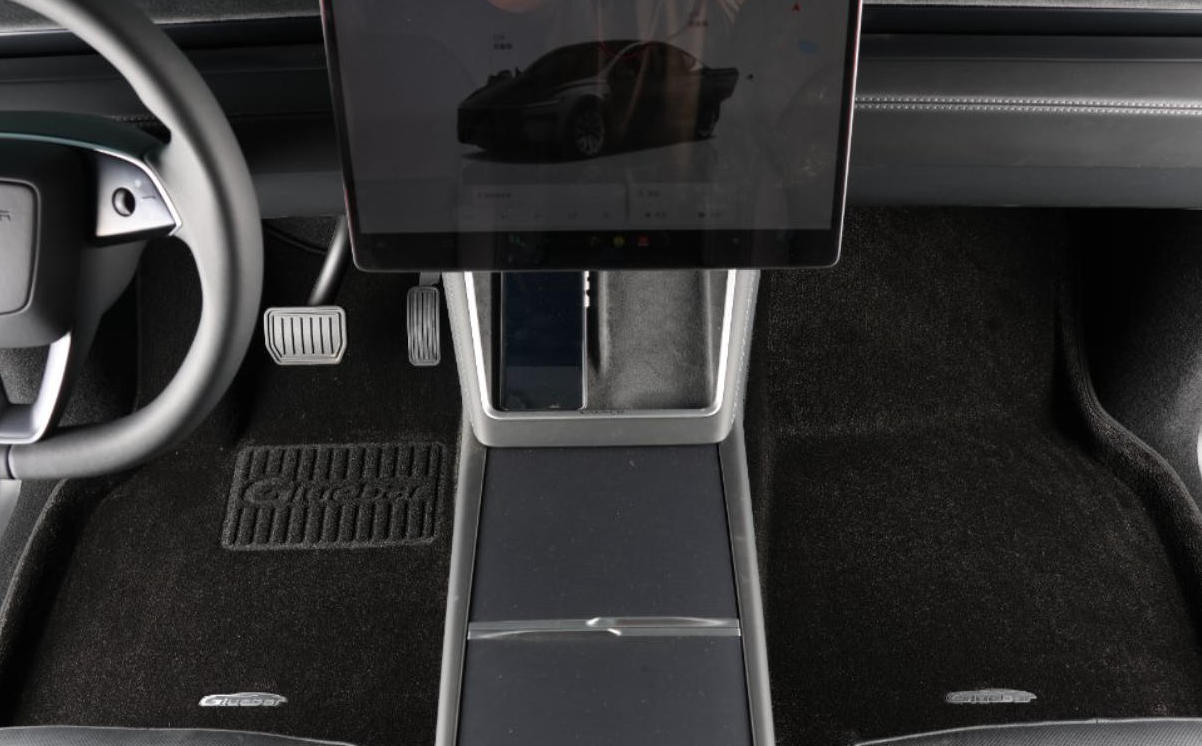
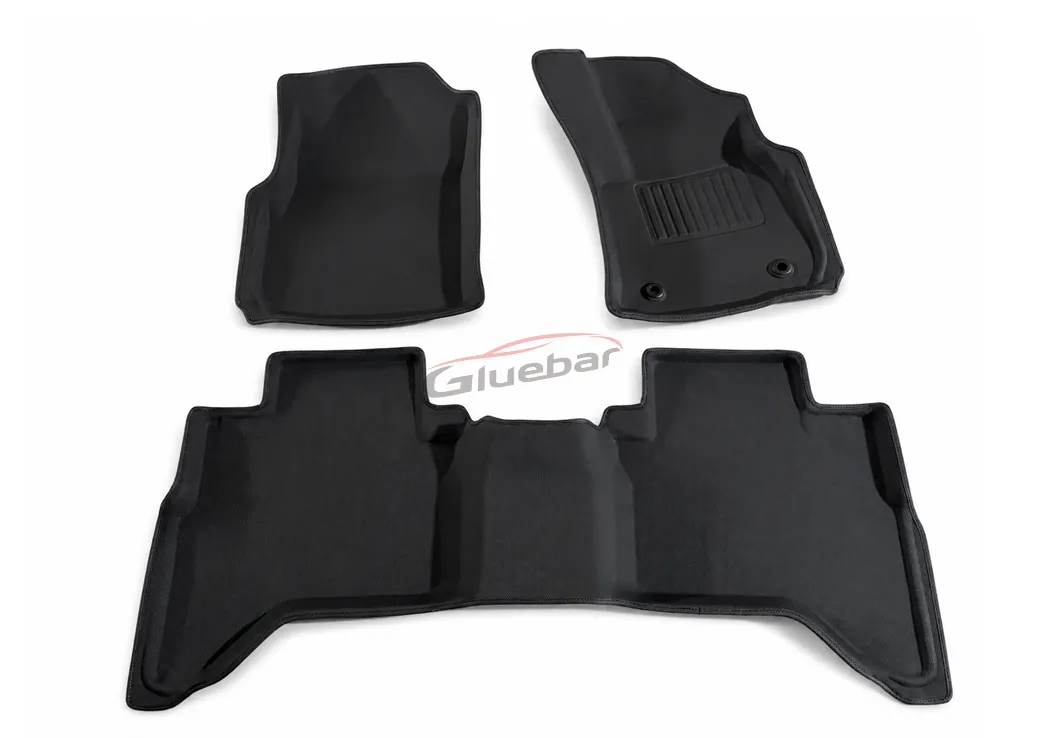
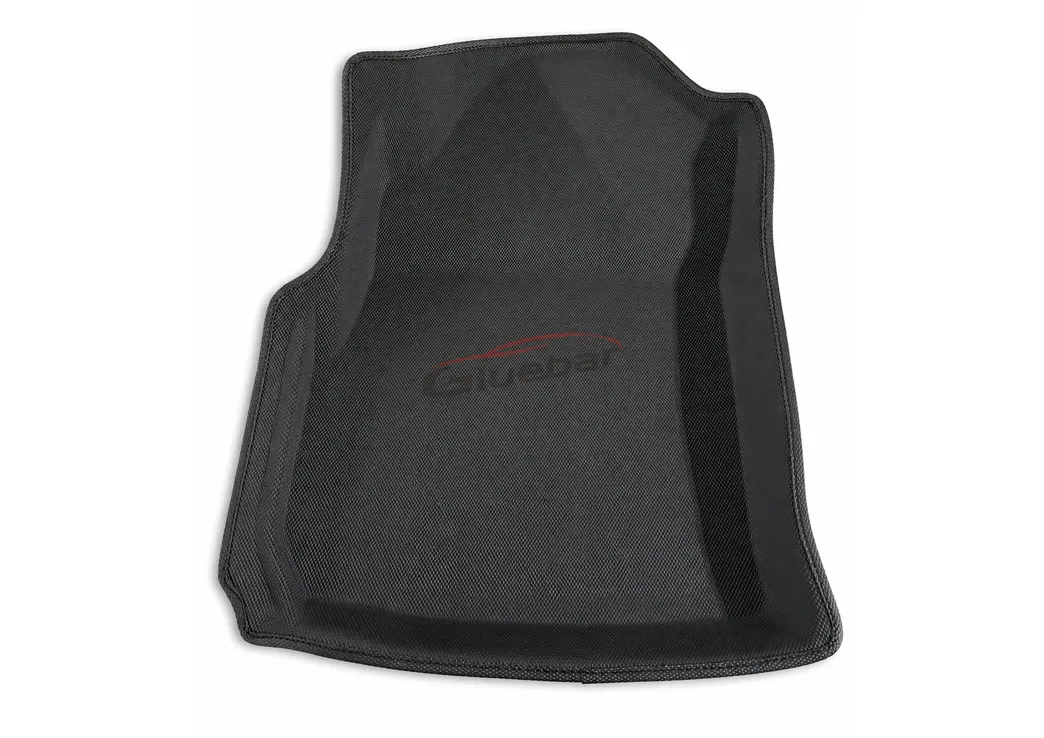
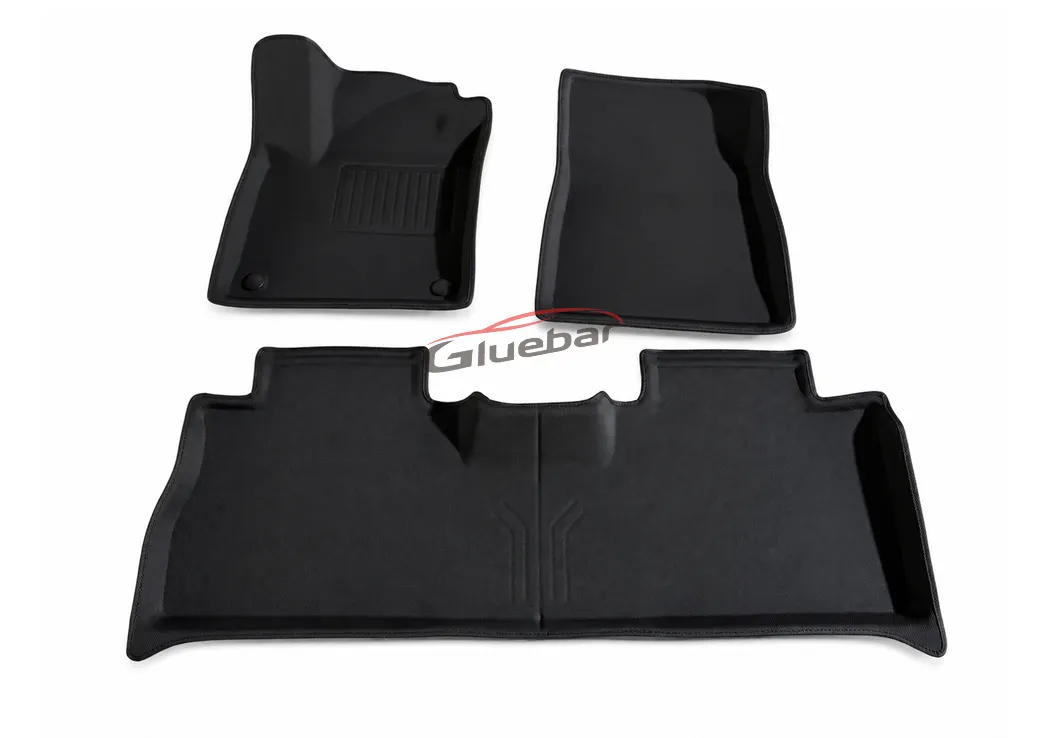
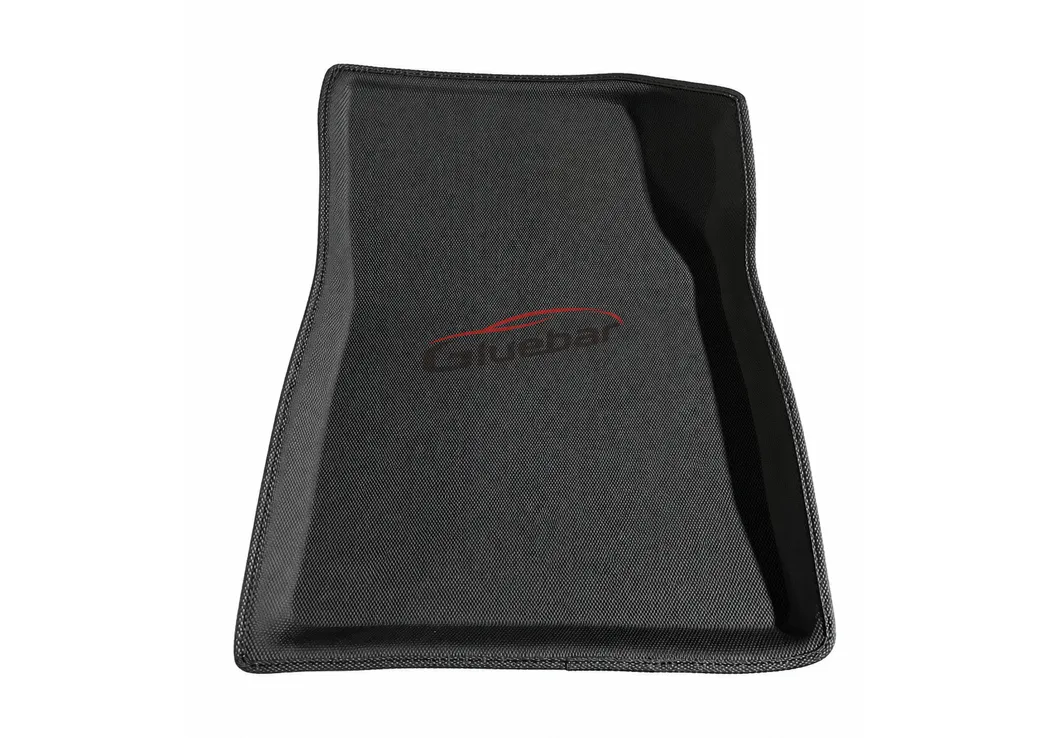
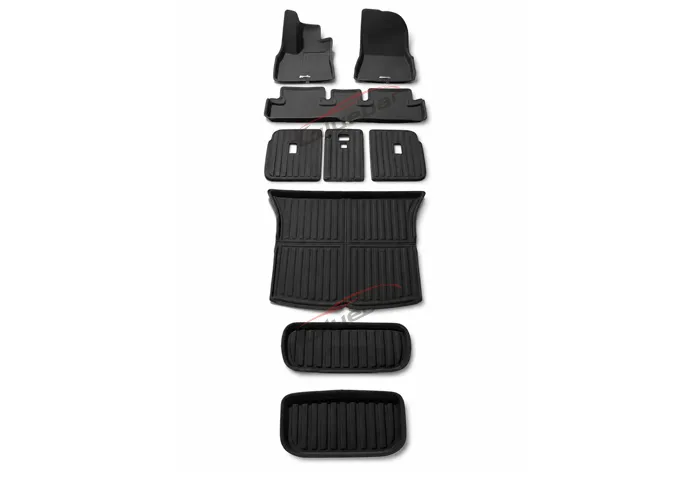
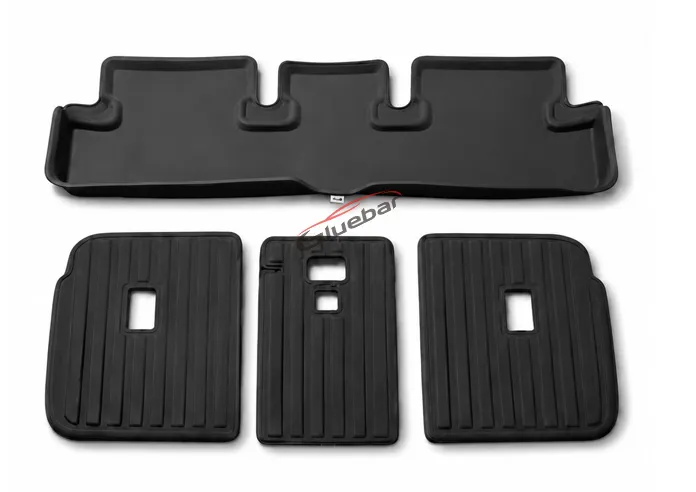
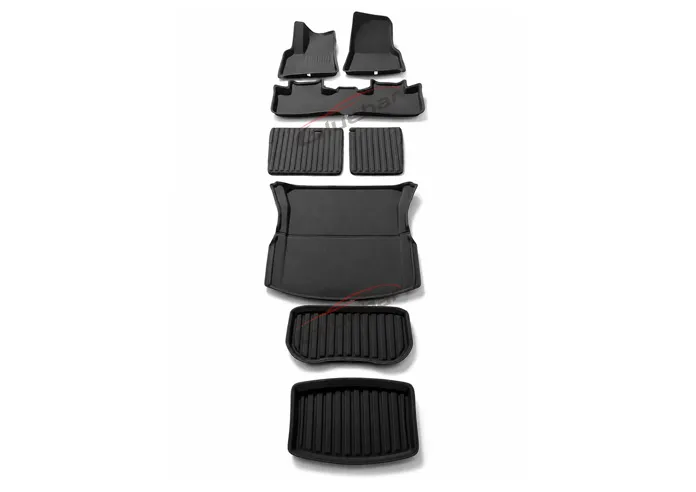
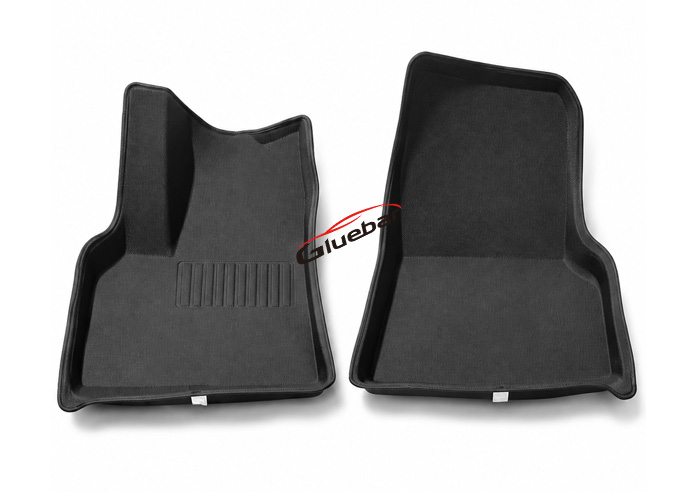
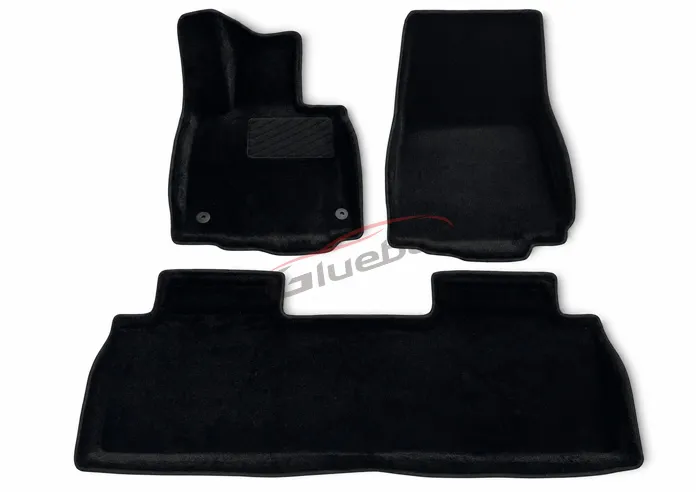
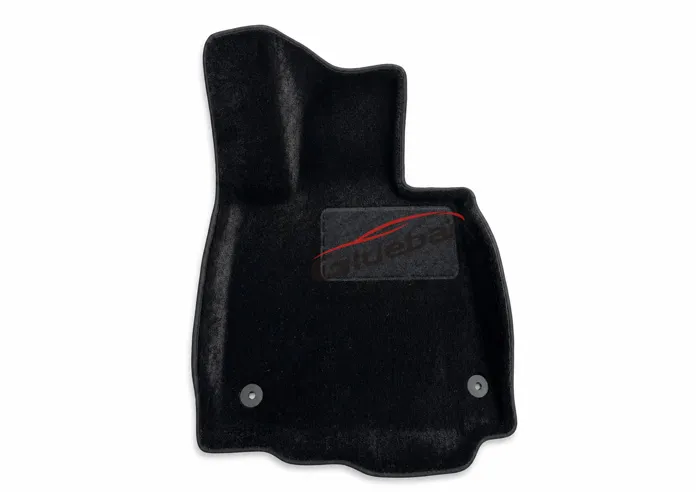
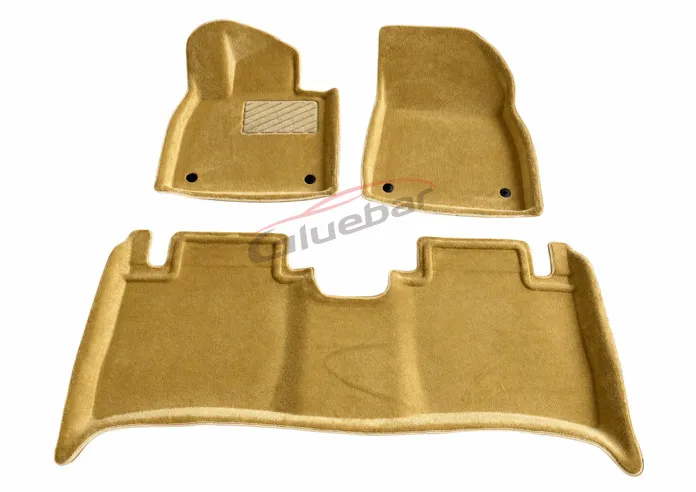
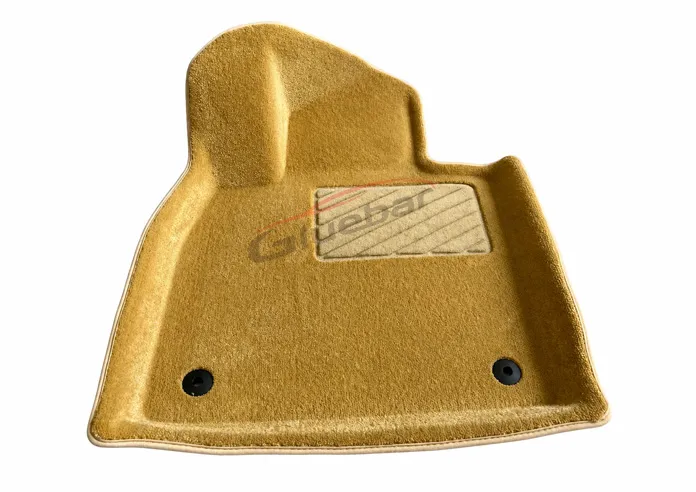
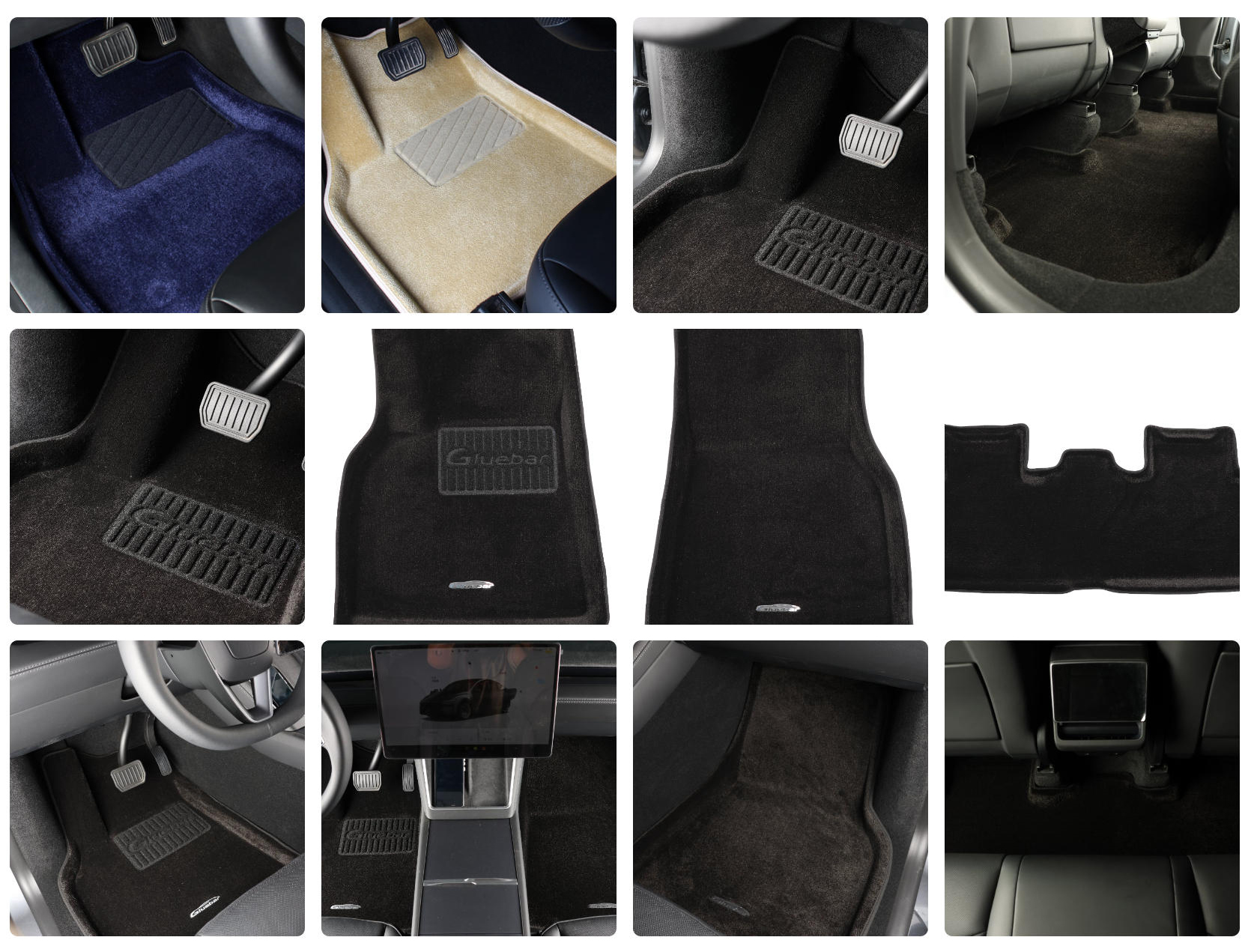
Electric vehicles are being used more and more nowadays, and many automotive interior components, such as car floor mats, are also starting to be precisely modeled using this approach.
Among them, car floor mats are one of the most
representative — and often underestimated — examples.
Electric Vehicles Introduce New Requirements for Fit Accuracy
Compared with traditional internal combustion engine vehicles
Electric vehicles show significant differences in chassis structure and interior layout:
- Flatter floor architecture with a higher level of integration
- More sensitive pedal zones
- Battery placement influencing floor height and edge geometry
- More enclosed cabins, increasing user sensitivity to detail and stability
Under these structural conditions, car floor mats are no longer simple accessories placed on the floor. Instead, they become functional components that directly affect driving safety and overall user experience.
When Modeling Accuracy Is Insufficient
If car floor mats are developed with inadequate modeling precision, several issues can easily occur:
- Raised edges or incomplete coverage
- Unwanted movement during driving
- Interference with accelerator or brake pedals
- Deformation over long-term use, creating safety risks
This is the fundamental reason why EV car floor mats cannot be designed as generic, universal products.
How High-Precision Modeling Is Applied to Car Floor Mat Manufacturing
In Gluebar’s EV car floor mat development process, high-precision modeling is not limited to basic dimensional measurement. It is a fully structured engineering workflow:

- 3D data capture based on real vehicles
- Accurate reconstruction of floor contours, edge curves, and pedal areas
- Conversion of structural data into mold designs suitable for mass production
- Balancing fit accuracy with material flow behavior and forming stability
This approach closely aligns with the core industrial metrology principle of reducing cumulative error while ensuring overall consistency.
In essence, whether a car floor mat fits properly is determined by how rigorous the modeling stage is.
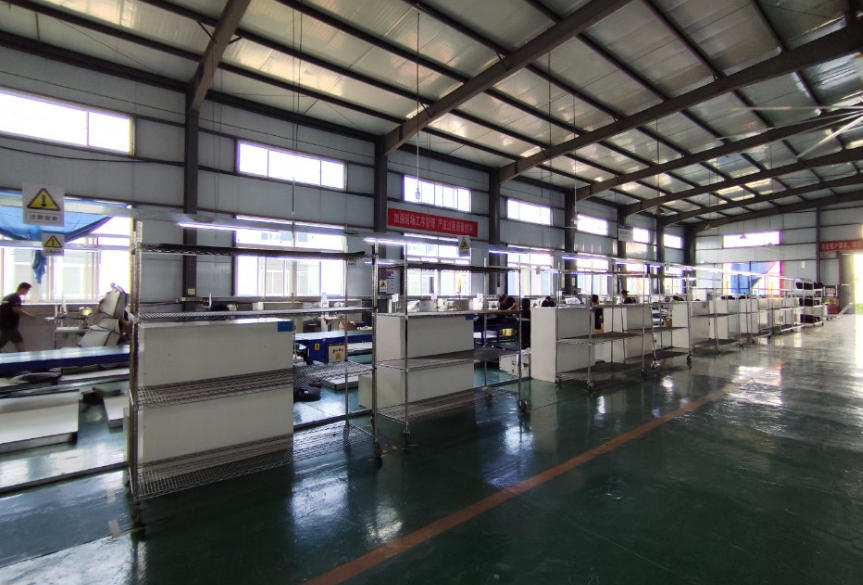
From Digital Models to Production Molds: Manufacturing Capability Validates the Technology
In commercial EV car floor mat applications, high-precision modeling is not the final step — it is only the beginning.
What truly determines whether the technology is viable is whether these digital models can be consistently transformed into mass-production-ready mold systems.
Within Gluebar’s manufacturing framework, high-precision modeling data is not used for one-off prototypes. Instead, it is integrated into a complete mold engineering process:
- Parting lines, draft angles, and material flow paths are considered during the modeling stage
- Mold structures are designed for both production stability and long service life
- All critical dimensions are defined with tolerance ranges rather than single-point values
- Multiple consistency validations are conducted during pilot production, not just single-sample approval
This production-oriented modeling approach is a direct reflection of industrial manufacturing experience applied to car floor mat production.
From One-Time Fit to Batch-Level Consistency
In car floor mat manufacturing, the real challenge is not creating a single well-fitting sample, but answering one critical question:
How can the same level of fit accuracy be maintained across large-scale, long-term production?
This is where high-precision modeling demonstrates its true value.
Through a mature data modeling system, Gluebar achieves the following in EV car floor mat mass production:

- Highly consistent mold structures
- Stable dimensions across left/right and front/rear zones
- Controlled variation between different production batches
- No degradation in fit accuracy over extended supply cycles
From a factory perspective, this stability directly influences return rates, complaint frequency, and long-term distributor confidence.
High-Precision Modeling Combined with TPE Materials
Accurate modeling alone cannot guarantee final performance. Material properties are equally critical.
Gluebar uses environmentally friendly TPE (Thermoplastic Elastomer) materials in its EV car floor mats to complement precision modeling:
- High flexibility for improved conformity to complex surfaces
- Resistance to deformation caused by temperature changes
- Stable forming behavior suitable for precision mold structures
- Low odor and low VOC, ideal for enclosed EV cabins
In simple terms: Modeling accuracy determines whether the shape is correct. Material performance determines whether that shape can be maintained over time. Both elements are essential.
Expanding from Individual Models to EV Platforms
As EV architectures increasingly move toward platform-based design, car floor mat manufacturing is evolving accordingly:
From single-model adaptation → to platform-level, multi-model scalability, In this transition, high-precision modeling provides critical support for Gluebar:
- Rapid response to data capture and modeling for new vehicle models
- Reproducible mold development logic
- Clear structural standards across parallel model development
- Strong compatibility with long-term OEM / ODM cooperation
As a result, Gluebar’s EV car floor mats are no longer limited to individual vehicle models, but are gradually forming a systematic manufacturing capability aligned with EV platforms.
Why This Technology Transfer Matters
The transition from industrial metrology to EV car floor mat manufacturing is not a simple conceptual shift — it represents a fundamental upgrade in manufacturing logic.
From Gluebar’s perspective, the true value of EV car floor mats lies not in complex design or decorative features, but in:
- A genuine understanding of EV structural characteristics
- Precision-driven modeling and manufacturing capabilities
- Stable performance maintained throughout long-term use
High-precision modeling serves as the critical bridge between industrial manufacturing expertise and real-world EV applications.
Conclusion
As electric vehicle platforms become the industry standard, car floor mats are evolving from generic accessories into platform-specific, model-engineered functional products.
By introducing industrial-grade high-precision modeling concepts and combining them with mature material systems and mass-production capabilities, Gluebar is building a professional car floor mat solution designed specifically for electric vehicles.
This shift represents not only a change in technical approach, but a redefinition of long-term product value and user safety.