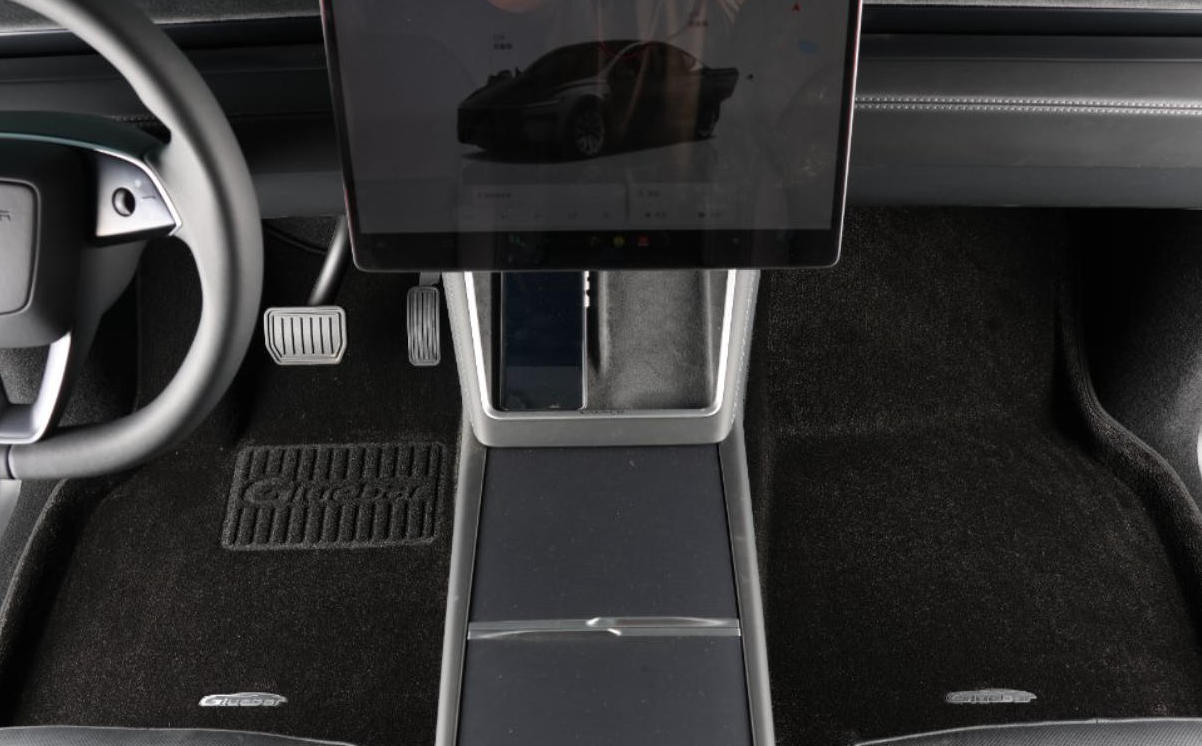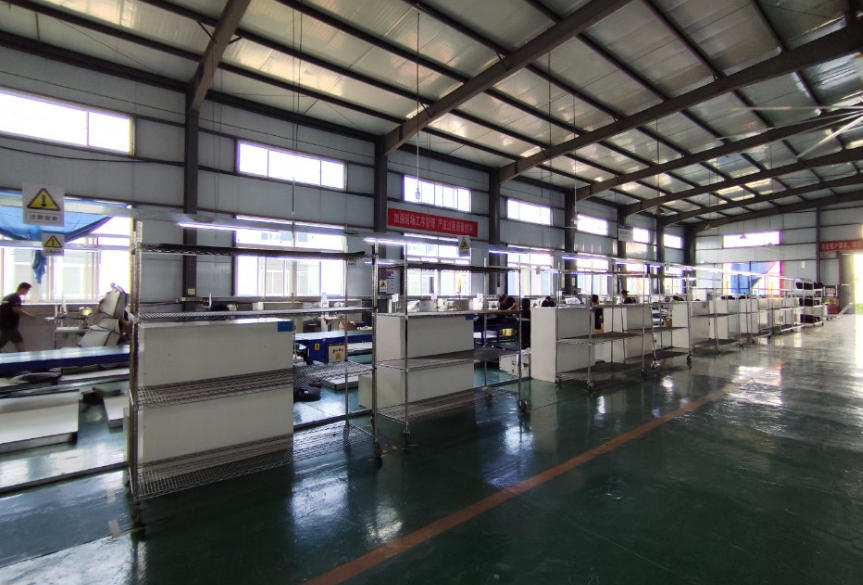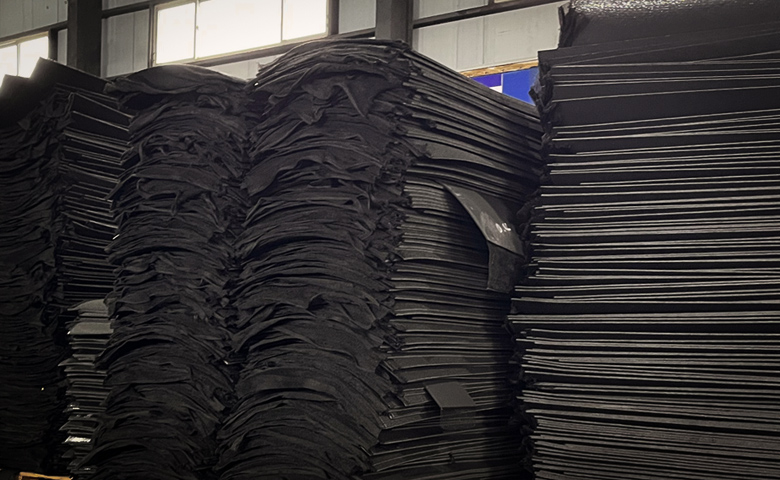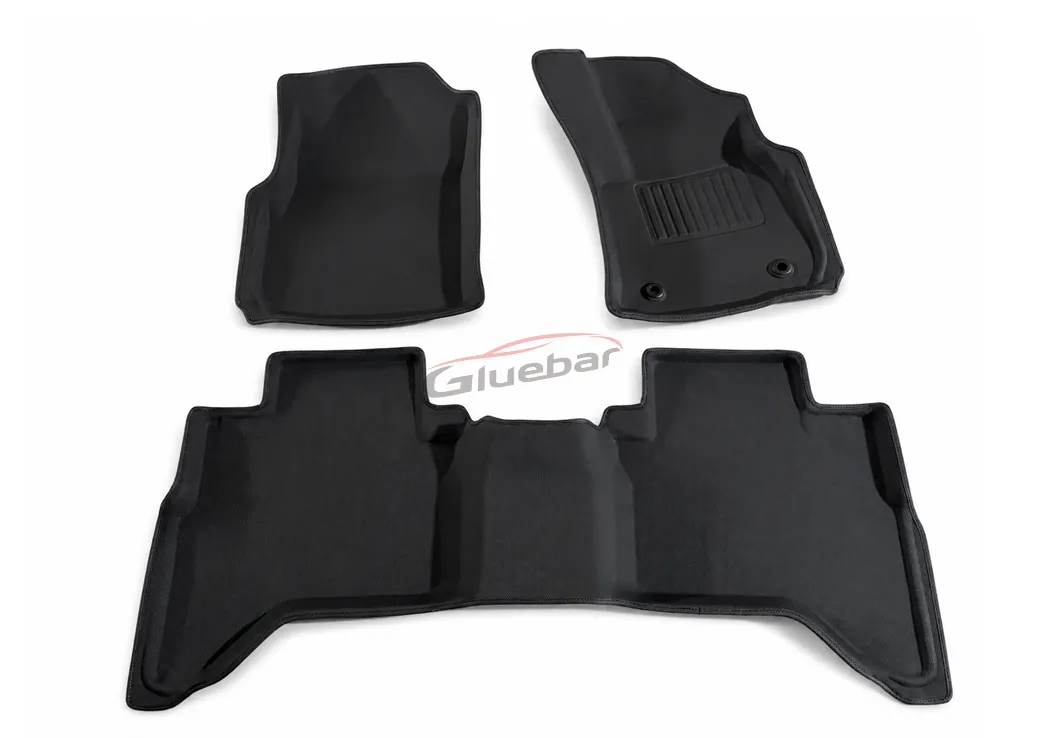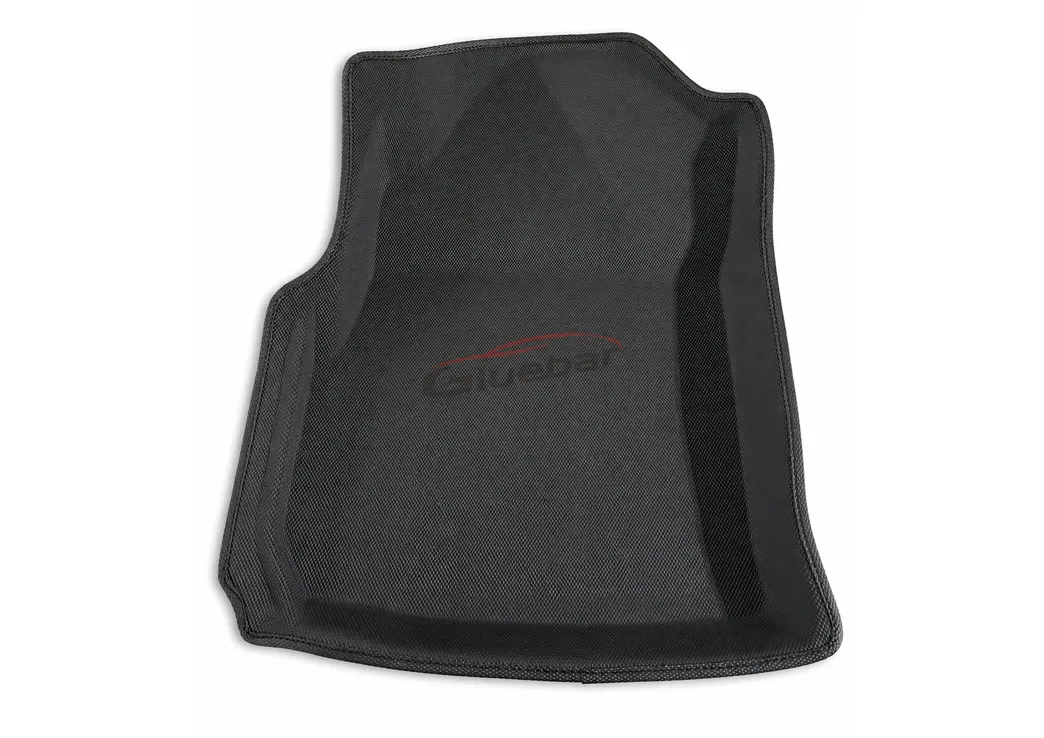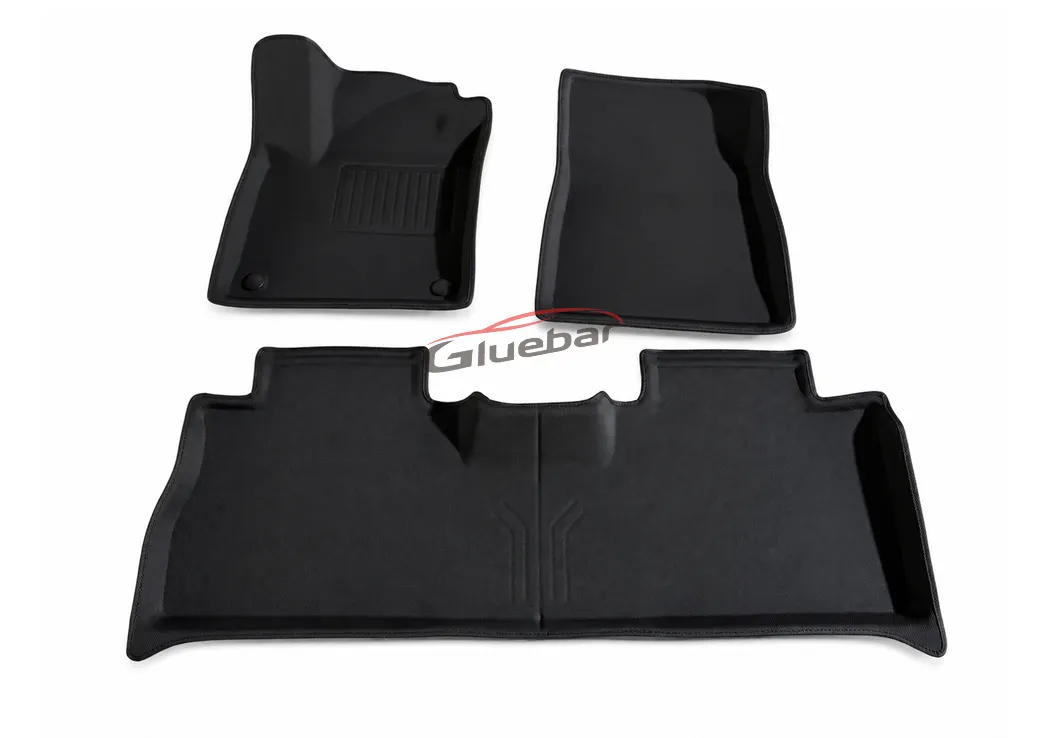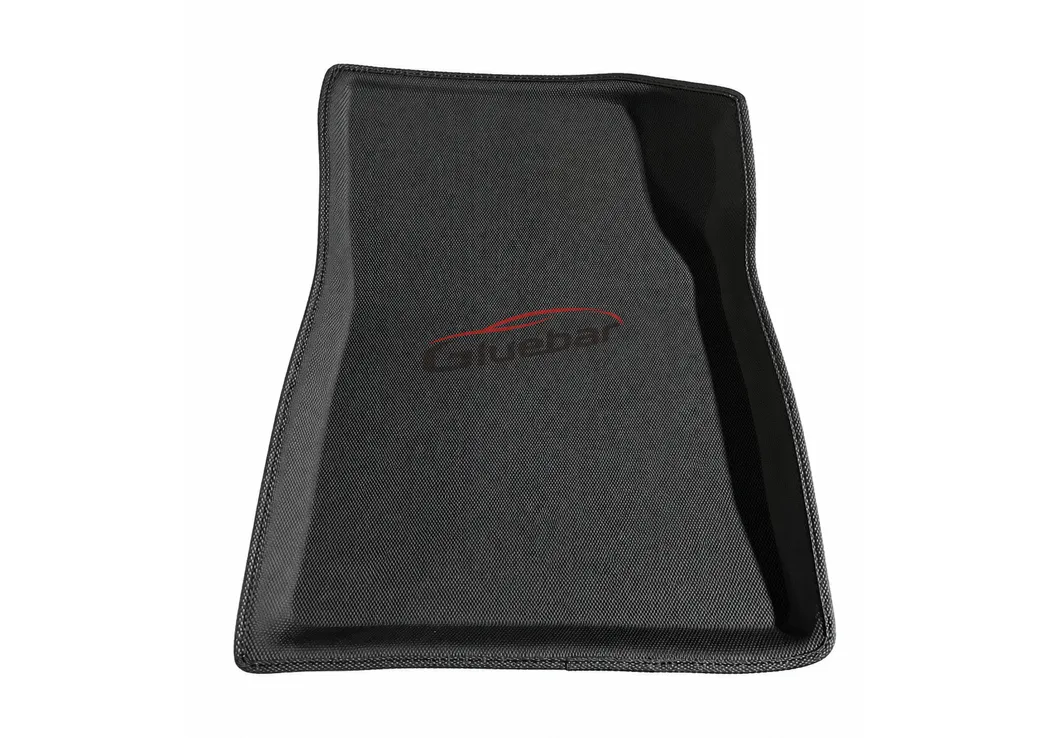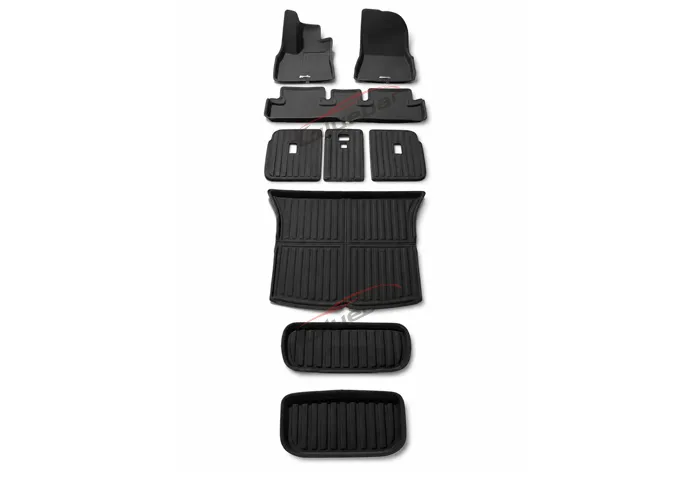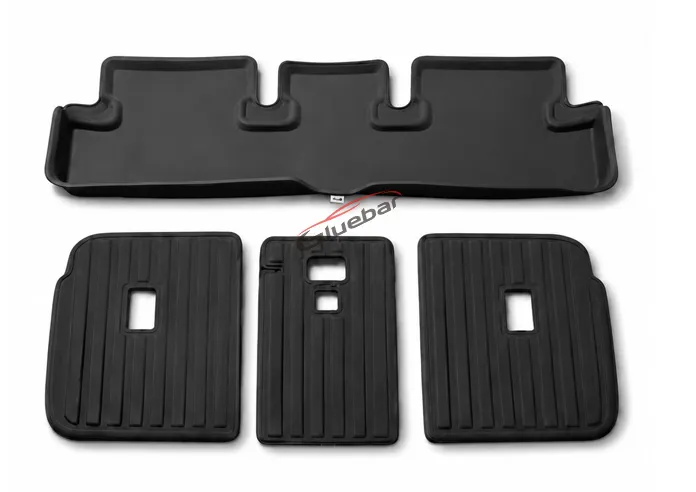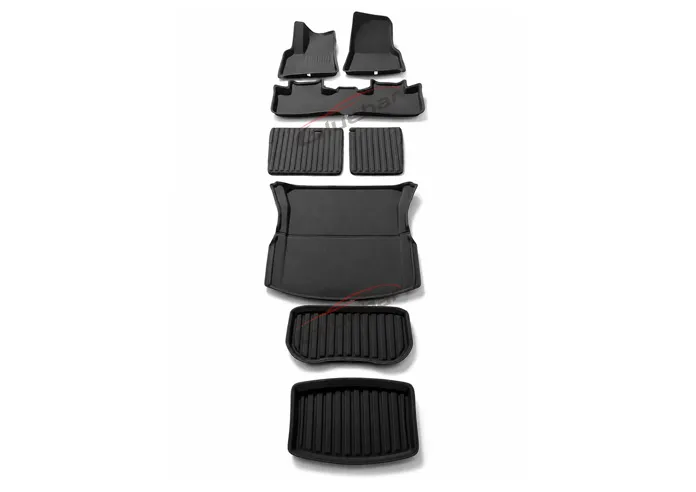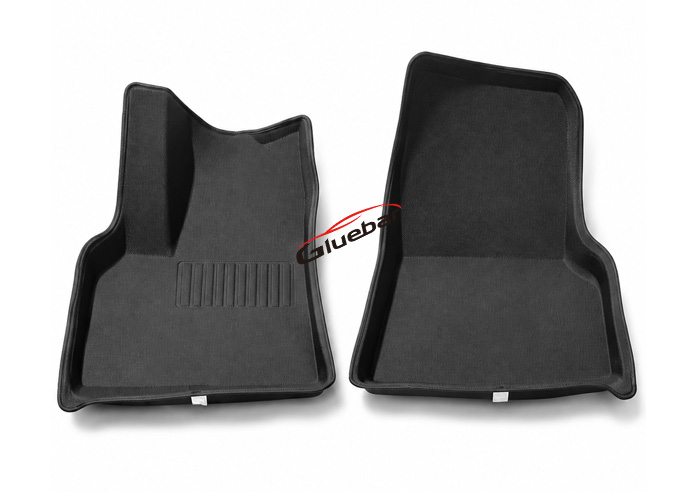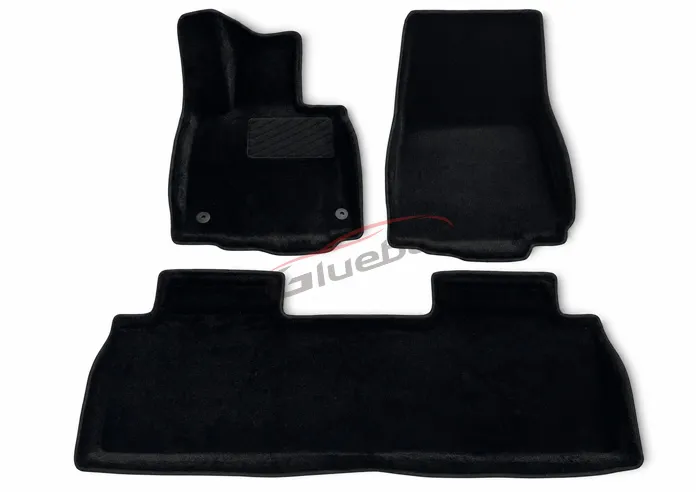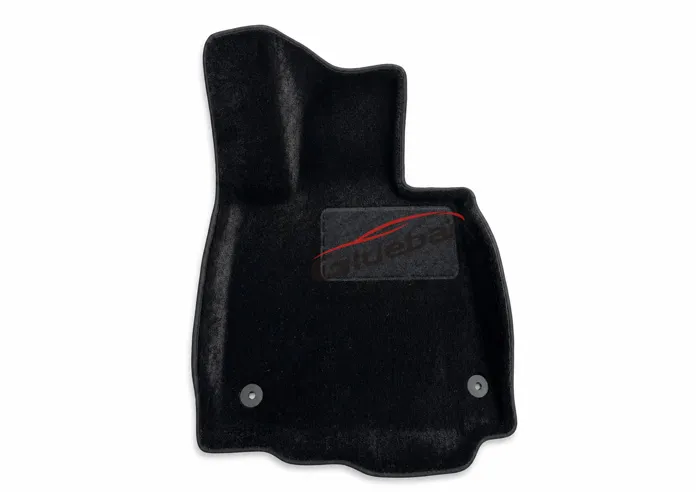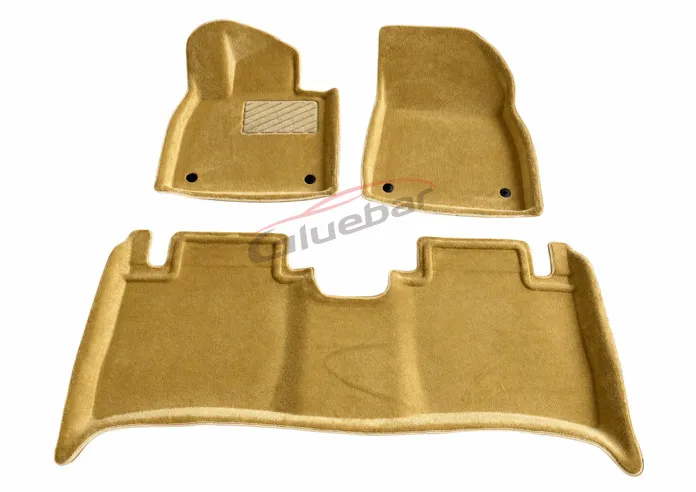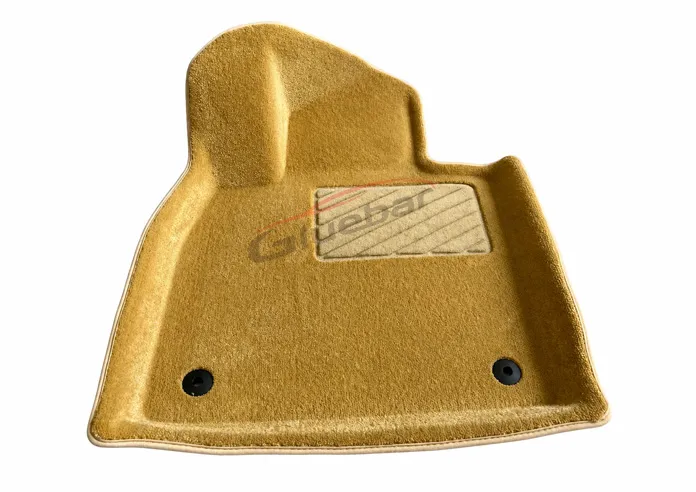
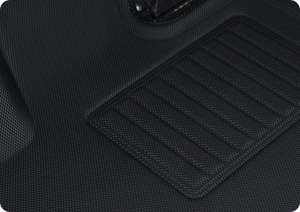
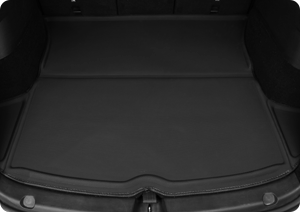
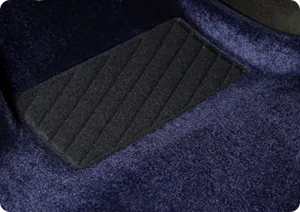
In the past, car owners were often more concerned with the thickness and price of car floor mats. Today, however, consumer priorities have shifted significantly. Across Europe, North America, the Middle East, and Southeast Asia, buyers are paying far more attention to in-car air quality and material safety. This shift has pushed the car floor mat industry away from highly odorous materials such as PVC and rubber and toward environmentally friendly TPE.
In recent years, family car owners, parents with children, and electric vehicle users have become particularly sensitive to interior air quality. Floor mats that emit strong odors not only damage the driving experience but can also lead directly to customer complaints and product returns. As a result, the “odorless, safe, and non-toxic” characteristics of TPE have become one of the easiest and most effective selling points for car floor mat brands and distributors.
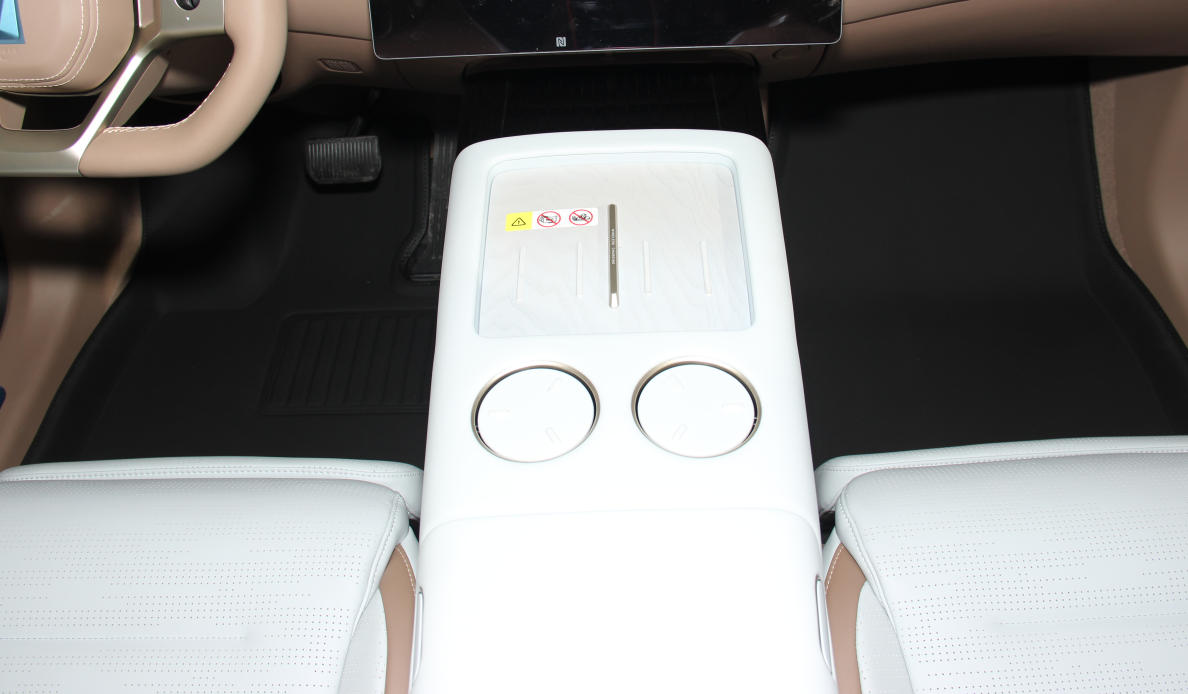
Environmentally Friendly TPE Has Inherent Advantages That Make It Suitable for Car Floor Mats
Environmentally friendly TPE is gradually replacing PVC and rubber as the preferred material for car floor mats worldwide. It better meets modern automotive interior standards in terms of odor control, safety, stability, and environmental performance.
For dealers and brands, TPE is not simply a superior material upgrade. It represents a long-term solution that helps reduce after-sales issues, stabilize product quality, and improve overall customer satisfaction.
Odorless and Low VOC Performance
Unlike PVC and rubber, which often develop pungent odors after prolonged exposure to sunlight, TPE naturally features low VOC content and contains no plasticizers. This makes it especially suitable for enclosed environments such as vehicle interiors.
TPE floor mats do not emit unpleasant smells even under high-temperature conditions of 60–80°C inside a car. This odor stability significantly reduces the risk of customer complaints, particularly in European and North American markets where air quality regulations are increasingly strict.
For multinational brands and distributors, reliable odor control is one of the most important factors in reducing after-sales issues and building long-term trust.
Resistant to High and Low Temperatures, Not Easily Deformed or Warped
One of the most common problems with traditional car floor mats is seasonal deformation. PVC and rubber mats tend to harden and crack in winter while softening, warping, and releasing stronger odors in summer.
TPE effectively solves these problems. It remains flexible at temperatures as low as −40°C and does not soften or deform at temperatures up to 90°C. Its stable structure allows it to maintain shape during long-distance sea transportation, high-temperature ports, and cold storage environments.
This thermal stability is especially important for car floor mat markets in regions with extreme climates, including Europe, North America, Canada, the Middle East, and Russia.
Flexible, Tear-Resistant, Better Foot Feel, and Enhanced Safety
TPE offers significantly better elasticity and flexibility than PVC and rubber. This improves not only foot comfort but also overall driving safety.
TPE floor mats provide stable anti-slip performance and remain securely positioned without interfering with accelerator or brake pedals. They are more resistant to tearing and long-term wear, reducing the likelihood of damage during daily use.
Because safety is an area where both car owners and dealers are least willing to take risks, TPE has become a highly reliable solution for modern automotive interiors.
The Era of New Energy Vehicles Has Accelerated the Demand for TPE Car Floor Mats
With the rapid global adoption of new energy vehicles, the car floor mat market has entered a new growth phase. Lightweight, odorless, environmentally friendly, and safe TPE floor mats align perfectly with the values and usage habits of EV owners.
As a result, TPE has become one of the fastest-growing categories in the global car floor mat market. For dealers and distributors, this represents not only a product trend but also a key structural opportunity over the next three to five years.
New Energy Vehicle Users Are More Willing to Choose Environmentally Friendly Materials
New energy vehicle users are generally younger and place greater emphasis on quality of life and environmental experience. They are particularly sensitive to in-car air quality and tend to avoid products that emit strong odors.
“Environmentally friendly” and “odorless” have become core selling points that EV owners are willing to pay a premium for. TPE floor mats naturally meet these expectations, offering reliable odor control without additional processing or compromise.
In the fastest-growing EV markets—such as Europe, Asia, and North America—the growth of TPE floor mats closely mirrors the expansion of new energy vehicle sales.
New Energy Vehicle Platforms Require Higher Precision in Fit
The chassis design of new energy vehicles differs significantly from that of traditional gasoline vehicles. Many EVs use entirely new platform architectures with more complex contours and raised structural areas.
Achieving a precise 1:1 fit requires accurate 3D scanning and modeling. Thanks to its flexibility and hot-press molding process, TPE can closely follow floor contours while maintaining stable edges and consistent shape.
For car floor mat dealers, better fit translates into fewer installation issues, reduced safety risks, lower after-sales costs, and more stable repeat purchases.
Environmentally Friendly TPE Provides a More Stable and Lower-Risk Supply Chain
In B2B procurement, the greatest concern for car floor mat distributors is rarely price alone. More often, the real risks lie in unstable bulk orders, frequent customer complaints, and excessive after-sales service costs.
The material properties of environmentally friendly TPE significantly reduce these risks. TPE floor mats maintain consistent performance across production batches and are far less prone to deformation, odor development, or edge loosening caused by thermal expansion and contraction.
For distributors, the true value of TPE lies not only in its material performance but in lower operating costs and easier long-term business management.
Lower After-Sales Costs and Fewer Returns
Compared to PVC and rubber, which are more prone to deformation and odor issues, TPE offers greater long-term stability.
It does not warp, deform, or develop unpleasant smells. Its stable structure prevents inconsistent batch quality and avoids problems such as edge loosening or shifting during use. As a result, after-sales service costs are significantly reduced.
Unaffected by Seasons and Extreme Temperatures
Traditional PVC and rubber floor mats face strong seasonal limitations. In winter, they harden and crack; in summer, they soften, deform, and emit stronger odors.
Environmentally friendly TPE floor mats avoid these issues entirely. They do not crack at −40°C and do not soften, become sticky, or leave greasy residue at high temperatures around 90°C. This ensures reliable performance throughout the year and reduces seasonal inventory risks.
Safer Transportation and Higher Logistics Stability
Export transportation cycles often last 30–60 days. During this time, containers may experience extreme temperature fluctuations, ranging from below 0°C in winter ports to over 70°C in hot climates.
TPE’s resistance to high and low temperatures ensures structural stability during transportation, preventing warping, softening, and permanent deformation. This reduces shipping losses, improves container loading stability, and results in fewer defective products upon arrival.
Why Are TPE Car Floor Mats the Future?
Environmentally friendly TPE floor mats simultaneously meet the diverse demands of the global automotive market. They comply with strict environmental regulations, improve interior air quality, enhance safety, provide precise fit, and offer long-term durability.
From low-VOC standards in Europe and North America to the growing preference of new energy vehicle owners for odorless and eco-friendly products, and from distributors’ need for stable supply chains to reduced after-sales risk, TPE is no longer a niche or premium upgrade.
With the continued growth of new energy vehicles, stricter environmental policies, and rising awareness of in-car health and safety, TPE floor mats are not just a future possibility—they are already becoming the industry standard.