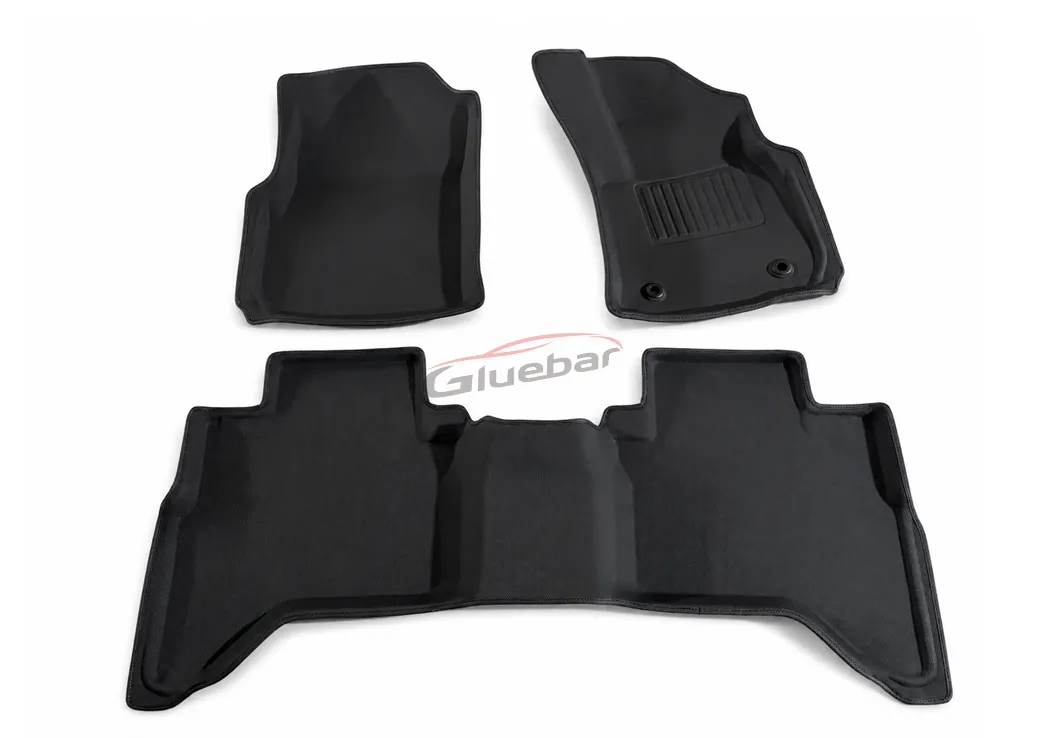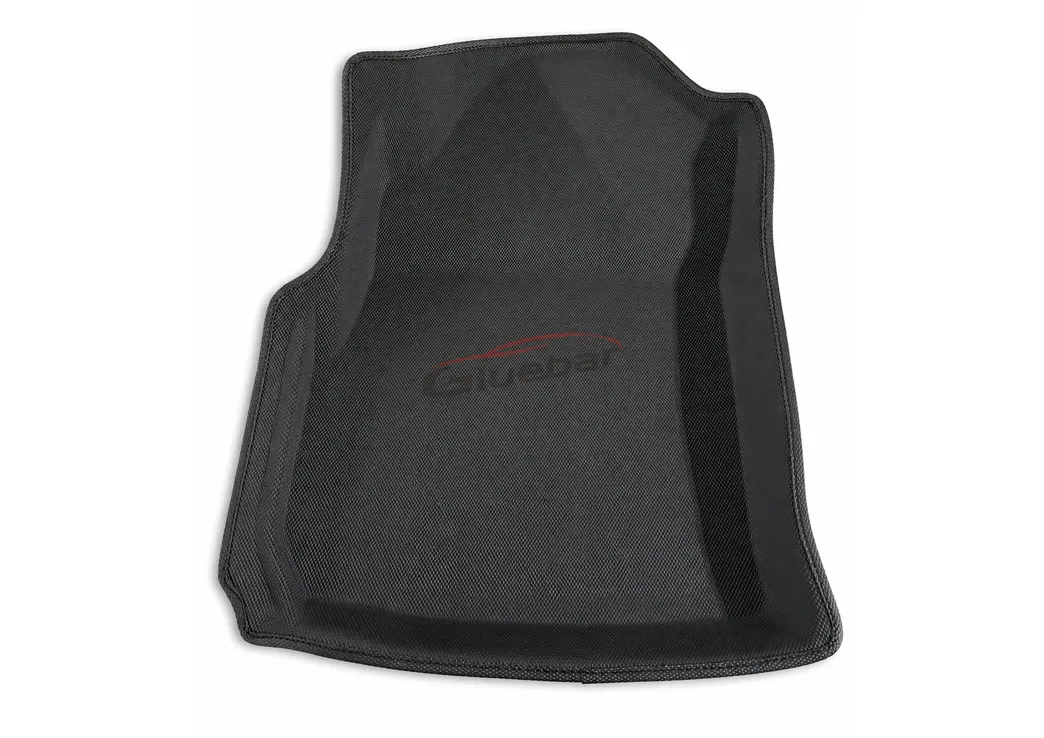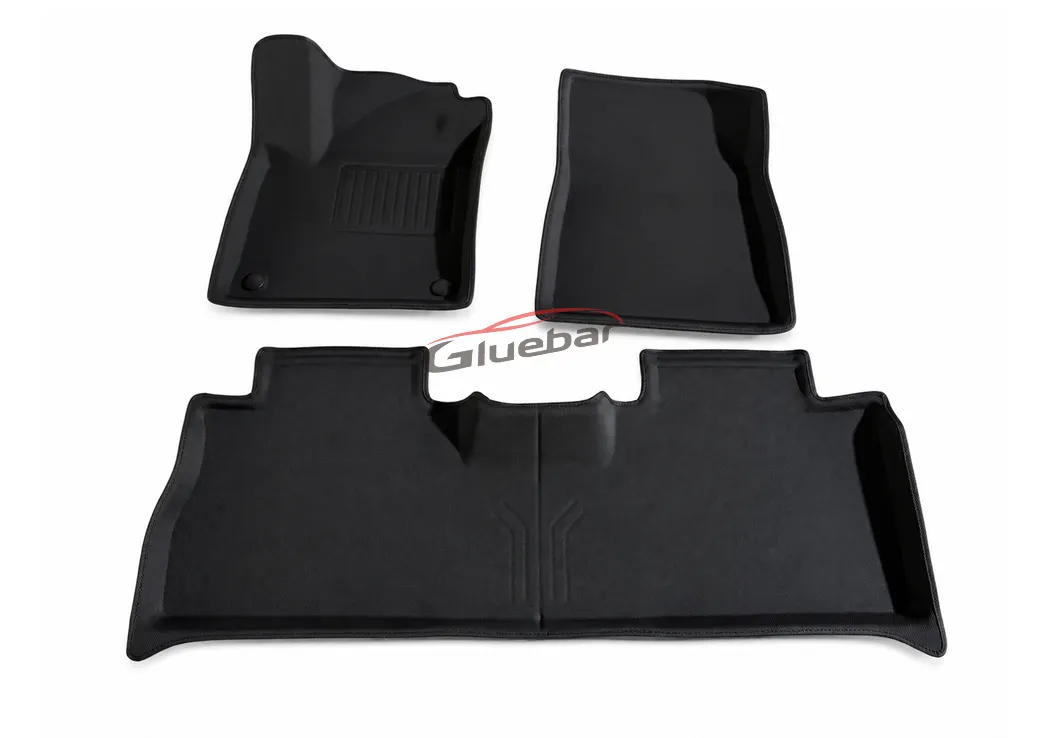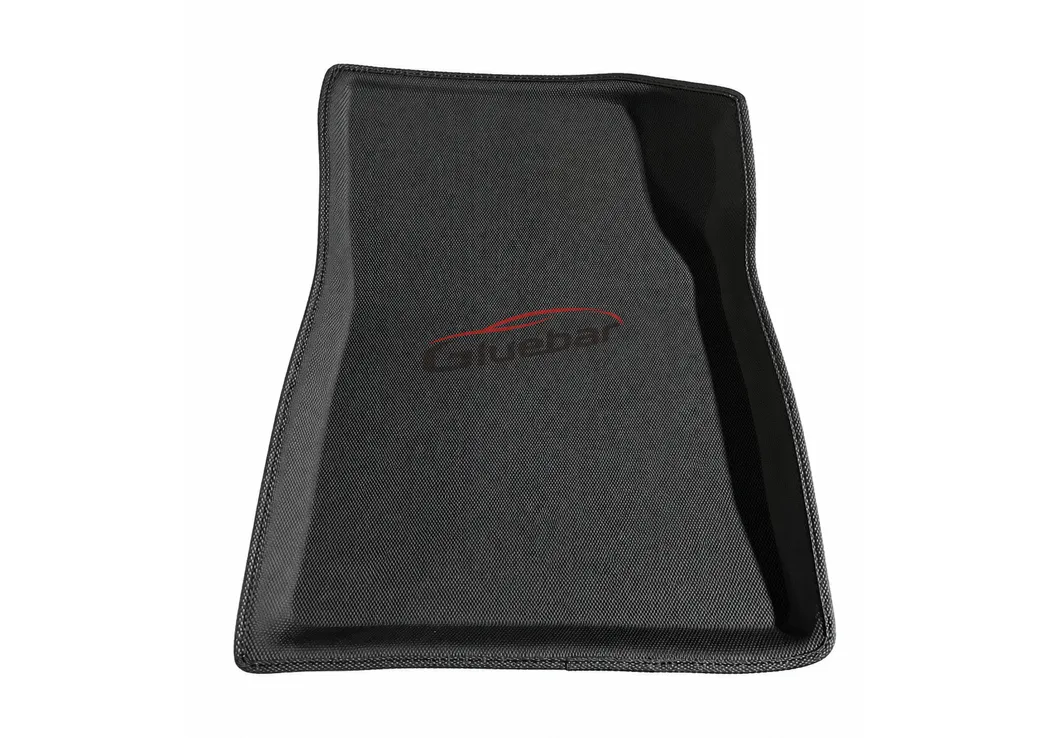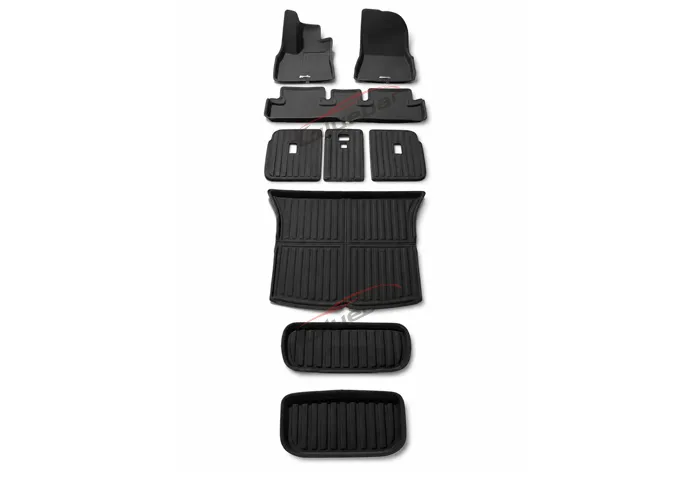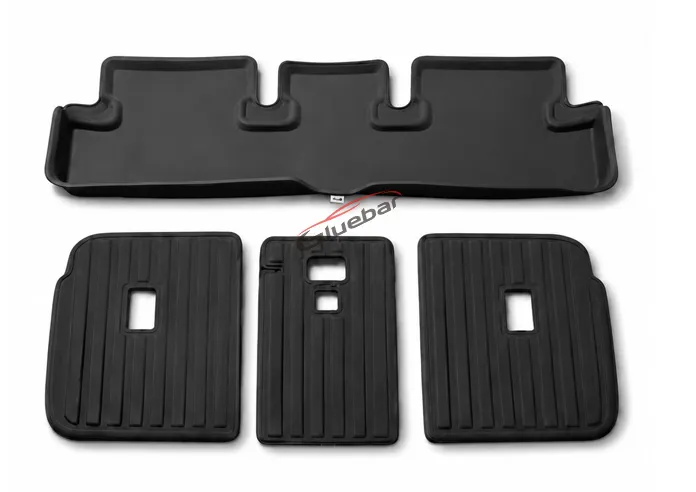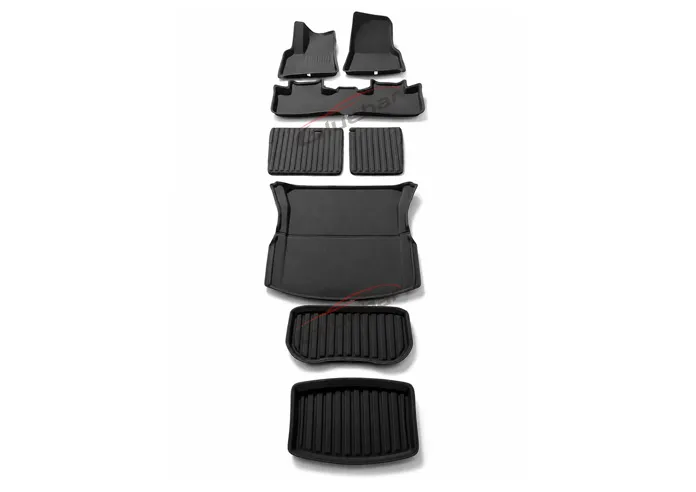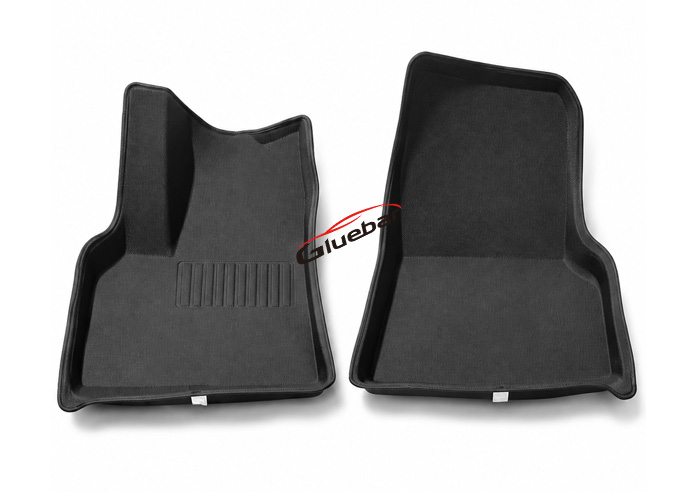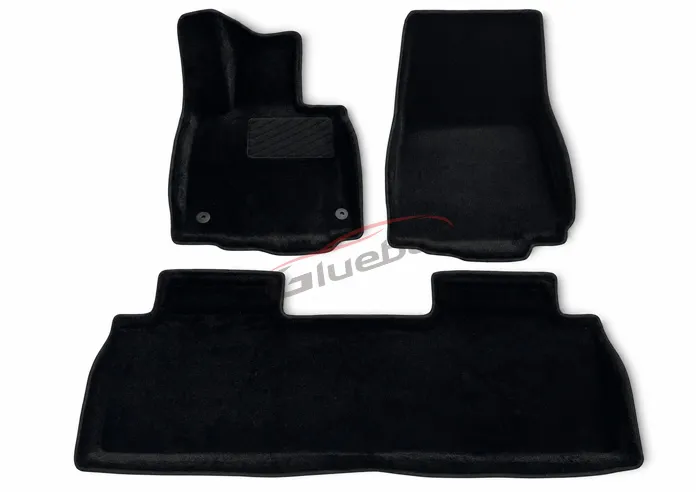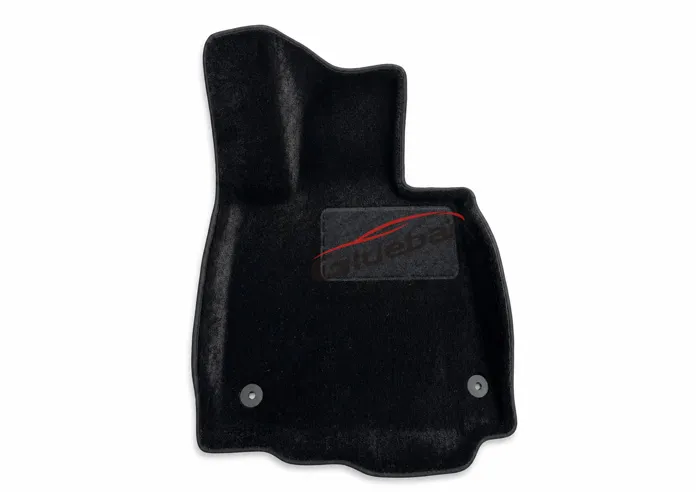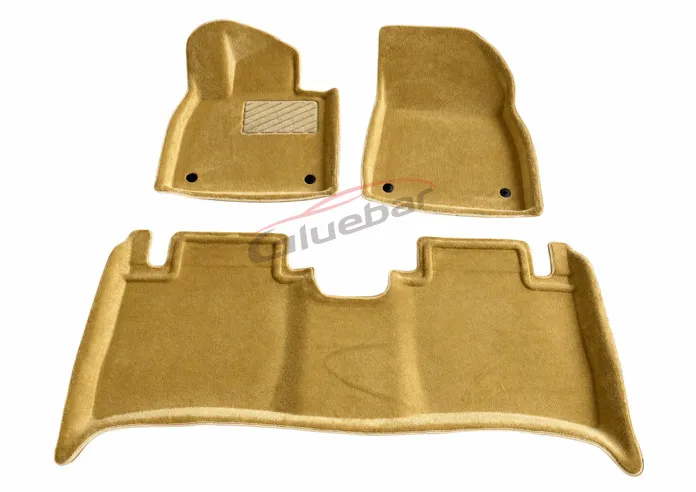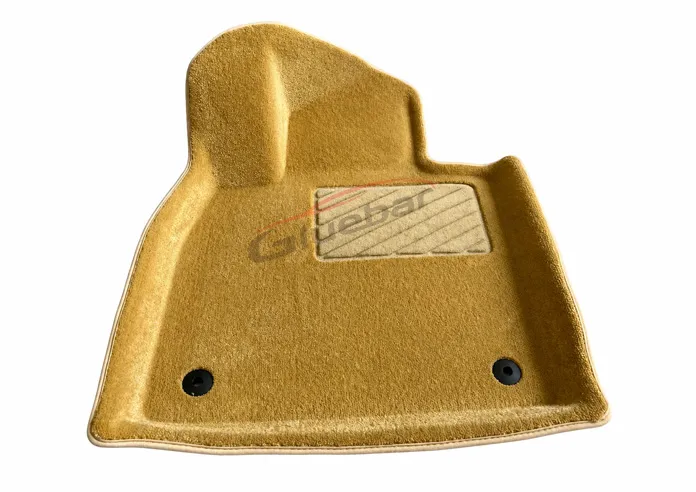
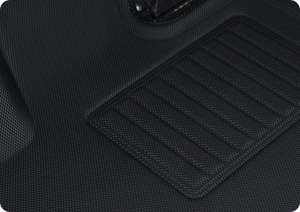
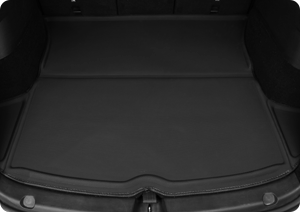
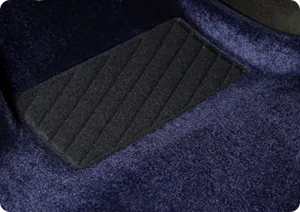
Have you ever experienced this?
Many people encounter a situation where they replace their car floor mats with a new one that is very cheap.
Then a few months later, the edges start curling up. Small cracks appear. The mats no longer sit flat, and suddenly your car interior looks messy again.
And you start to notice a pattern:
the cheaper the mat, the faster the problems show up.
That’s not a coincidence. There are real reasons behind it—and they’re actually pretty simple.
1. Cheap Materials Save Money First—but Cost You Later
1.1. Low-cost mats usually use low-quality materials
For some very low-priced car floor mats, the materials used are already low in quality—such as low-grade rubber, low-grade PVC, or even recycled materials.
But over time you’ll notice:
- The material becomes stiff
- Elasticity disappears
- The surface starts cracking
Extreme heat in summer or cold weather in winter only makes this happen faster.
1.2. Low material density can’t handle real driving conditions
Those who have compared car floor mats will know that TPE is an excellent material. This material possesses good elasticity and resilience, and remains unaffected by temperature changes
Cheap mats often look thick, but the material inside is weak.
After repeated pressure from daily use, the structure breaks down, leading to cracks and curled edges.
2. Cheap Manufacturing Means Cheap Results
2.1. Rough production causes edge problems
Many low-priced mats are produced with basic molds and minimal finishing:
- Inaccurate mold shaping
- Uneven thickness
- Poor edge trimming
At first, this may not be obvious. After using it for a short period of time, you will feel that many problems arise.
2.2. Glued edges don’t last
To reduce costs, some cheap mats rely on simple glue bonding at the edges instead of one-piece molding.
Glue may hold at first, but:
- Heat
- Humidity
- Daily wear
will slowly weaken it. Once the adhesive fails, the edges start to lift, split, or crack.
3. Your Car Interior Is a Tough Environment
3.1.Heat speeds up material aging
During high-temperature days in summer, the temperature inside the car can reach over 50℃
Low-quality rubber or PVC ages quickly under this heat:
- Hardening
- Brittleness
- Surface cracks
TPE car floor mats exhibit excellent stability against high temperatures and are not damaged by them.
3.2. Moisture is another hidden enemy
Rain, snow, and wet shoes all bring moisture into your car. Cheap mats often absorb water and dry slowly.
Over time, constant moisture causes:
- Deformation
- Edge curling
- Structural breakdown
4. How to Avoid Cracking and Curling Floor Mats
How to Avoid Cracking and Curling Floor Mats
4.1. Choose better materials
Look for mats with good heat resistance, anti-aging performance, and UV stability—such as TPE-based mats.
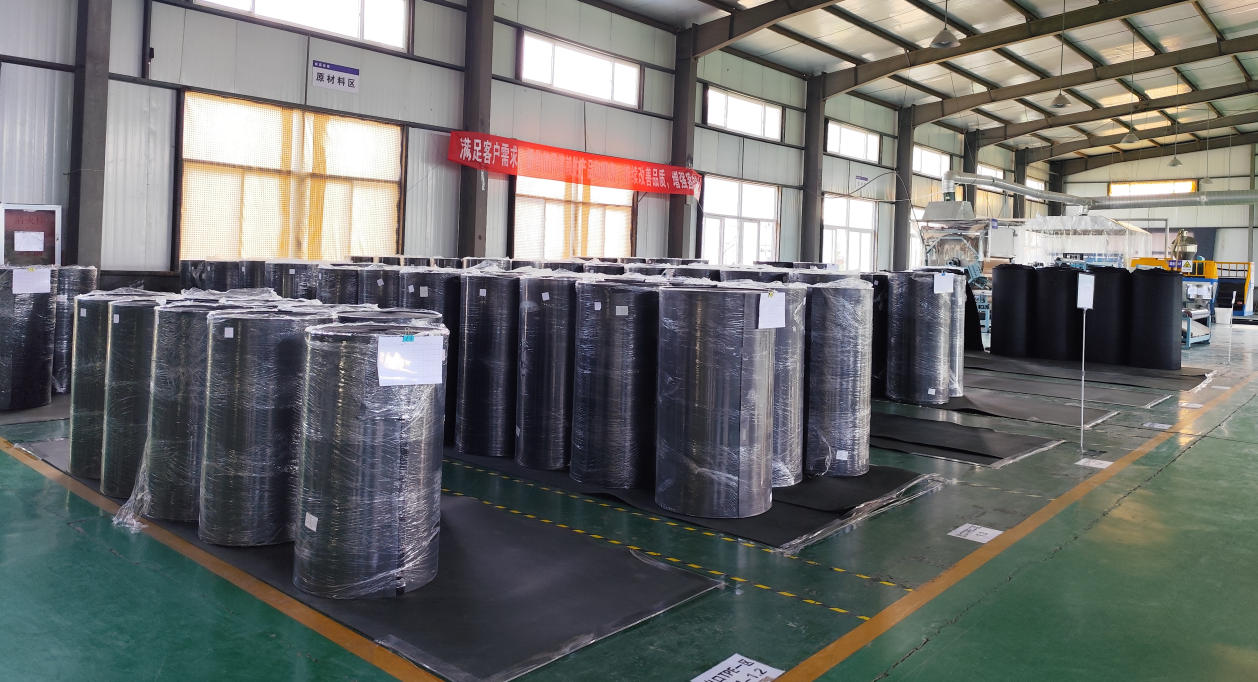
4.2. Density matters more than thickness
High-density mats stay in shape and last longer, whereas soft, flimsy mats may seem fine at first but don’t last.
4.3. Pay attention to manufacturing quality
One-piece molded mats with clean, solid edges are far less likely to curl or crack. Brands that invest in proper manufacturing usually back their products with quality control and testing.
5. Cheap Doesn’t Always Mean Affordable
Why do relatively cheap car floor mats develop cracks after being used for a period of time?
In general, there are three reasons. Firstly, the material quality is poor. Secondly, the manufacturing process is too simple. Thirdly, the internal conditions are harsh.
Choosing cheap car floor mats may seem like a cost-saving measure initially, but due to frequent replacement, poor appearance, or inadequate comfort, the long-term cost is often higher. Therefore, whether it's car owners purchasing car floor mats or wholesalers and buyers, opting for higher-quality car floor mats means:
- Fewer complaints
- Lower after-sales costs
- Better customer trust
Car floor mats are used every day.
Their quality becomes obvious very quickly once you start driving.