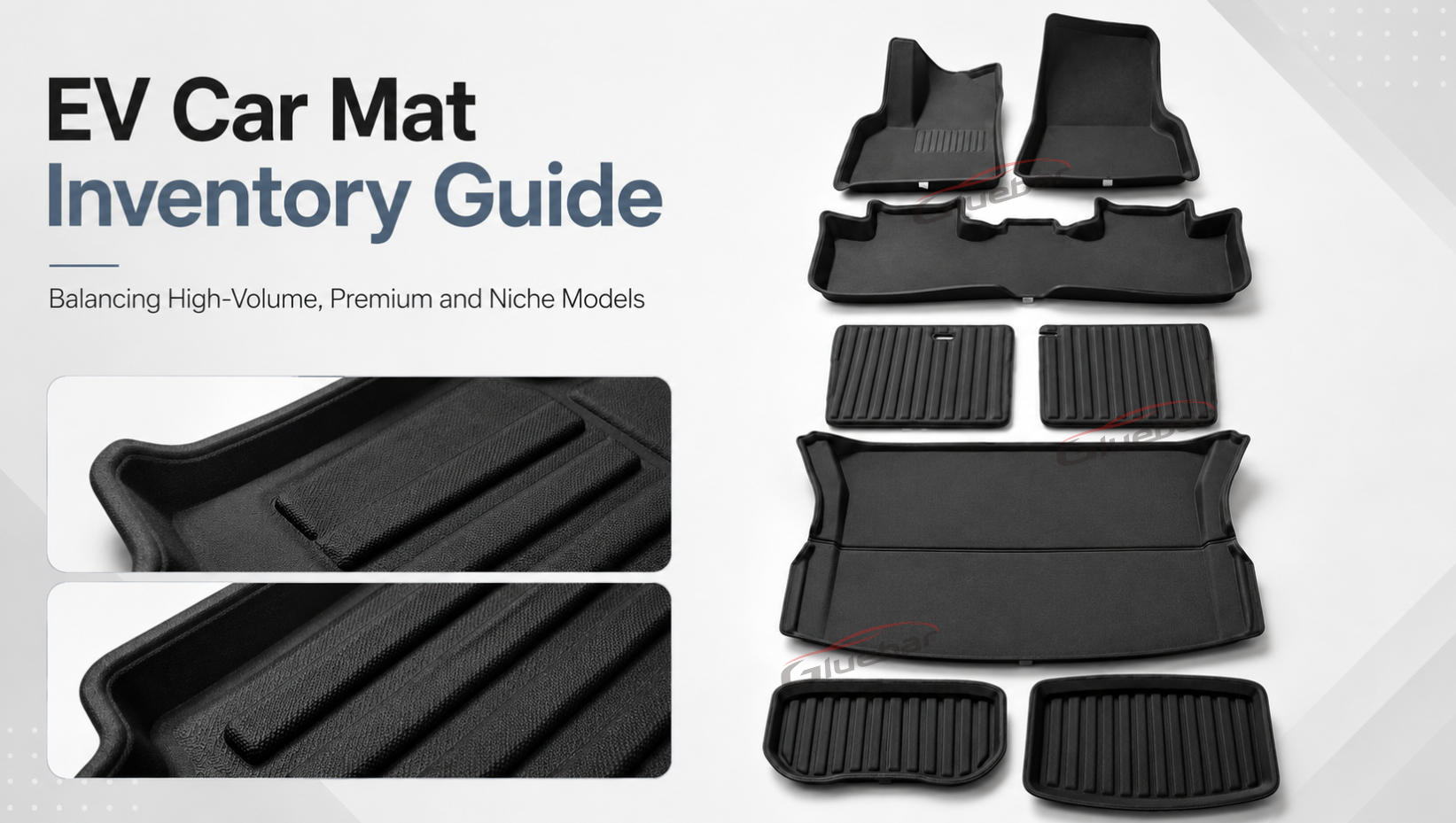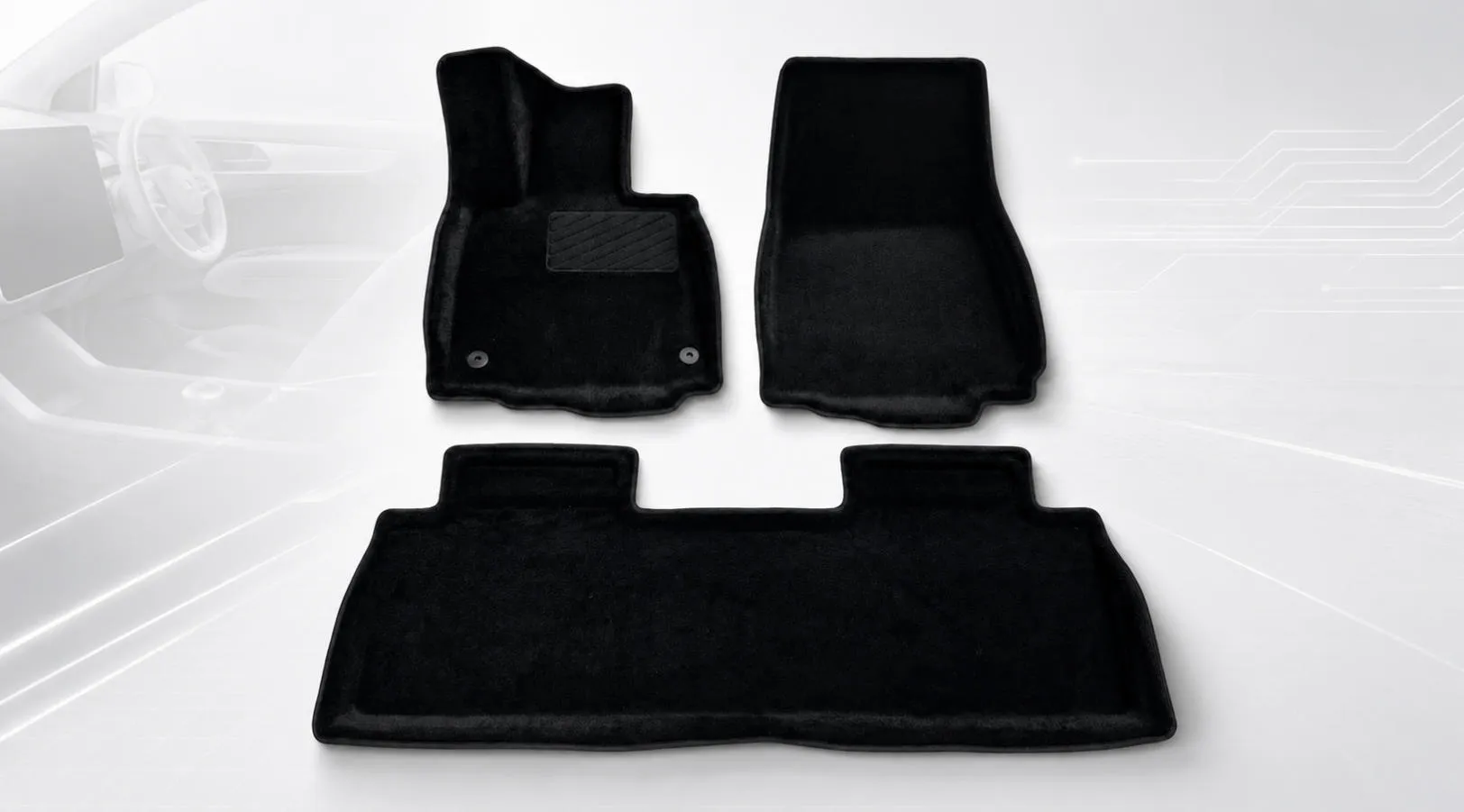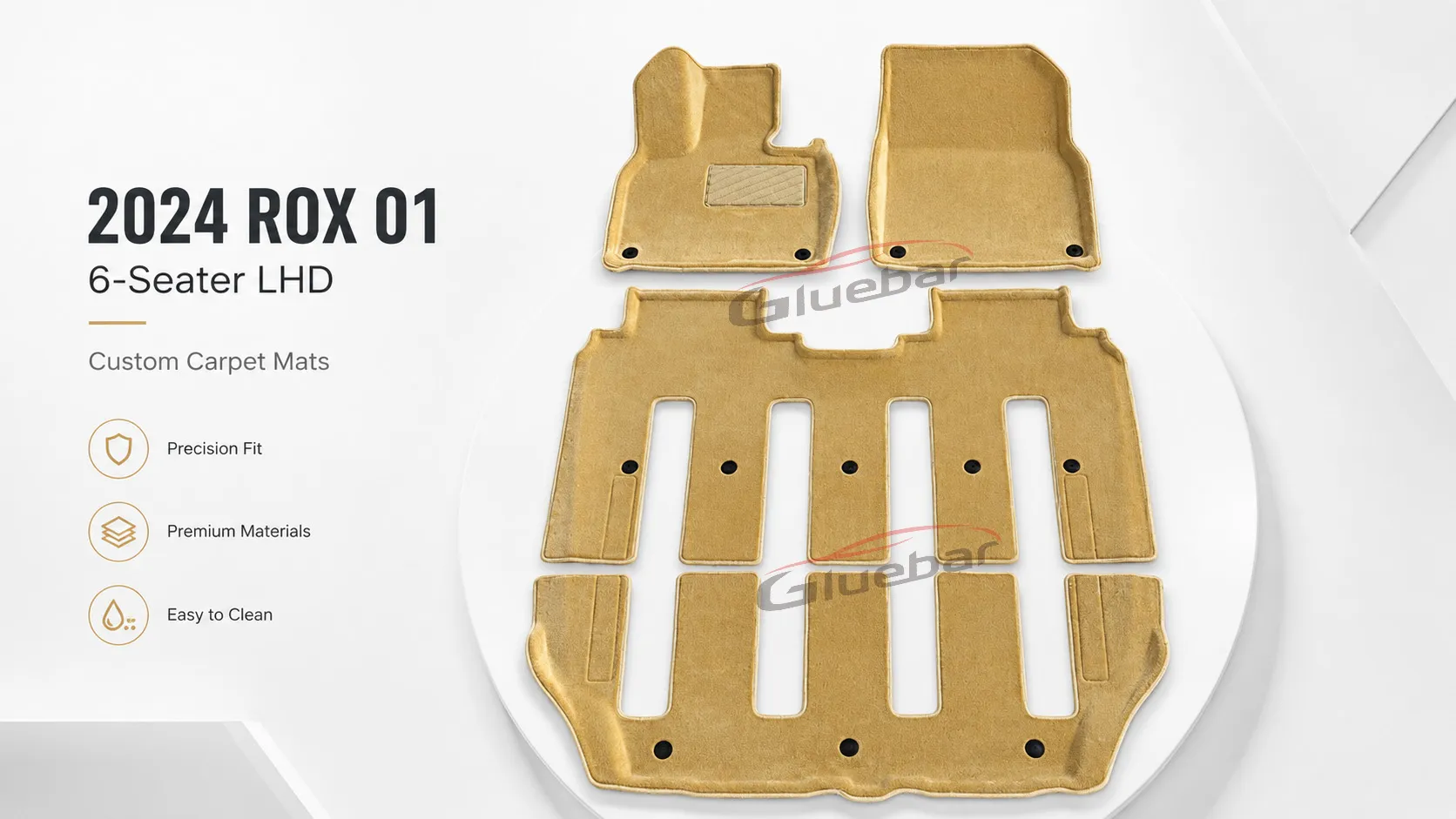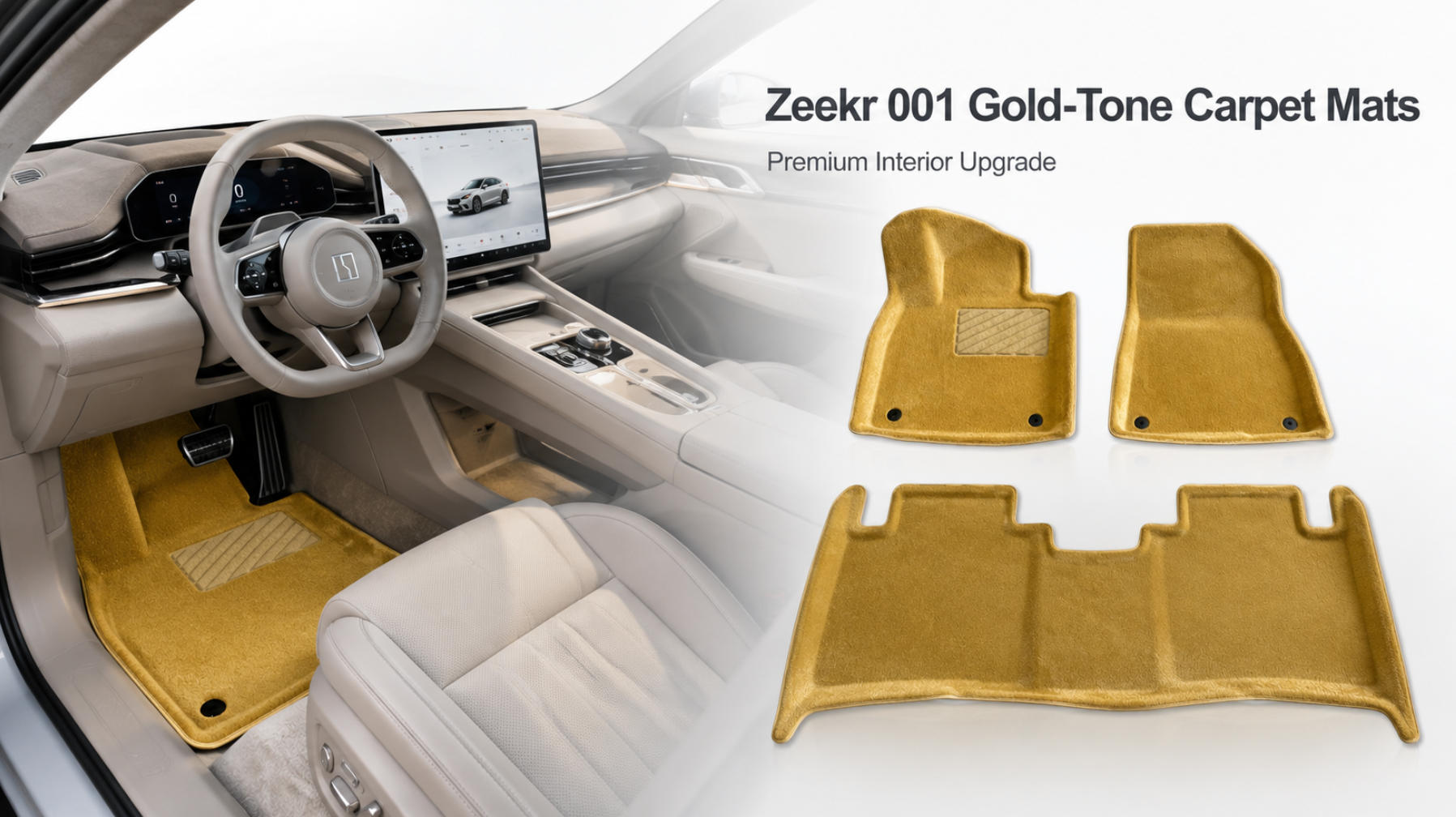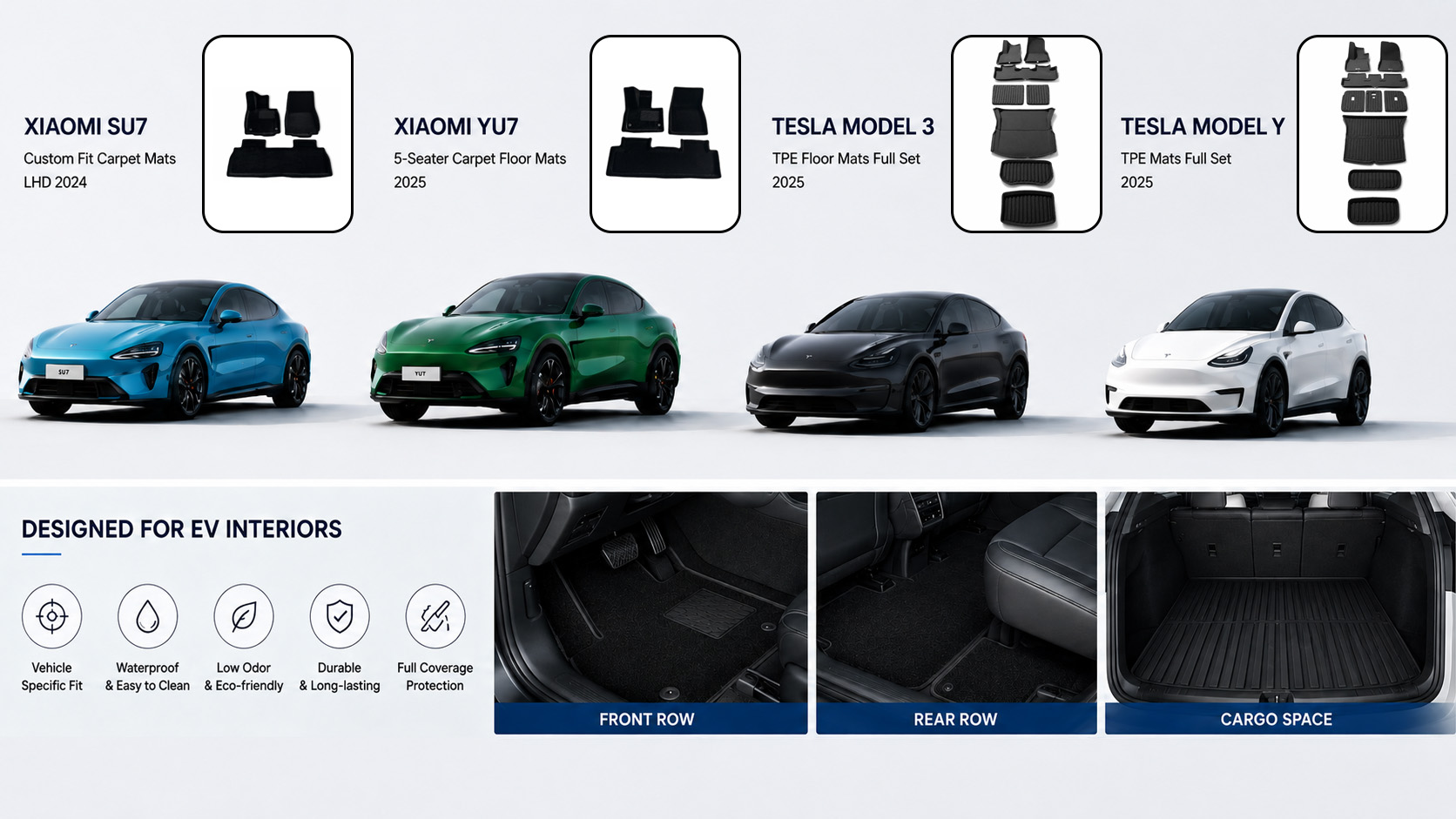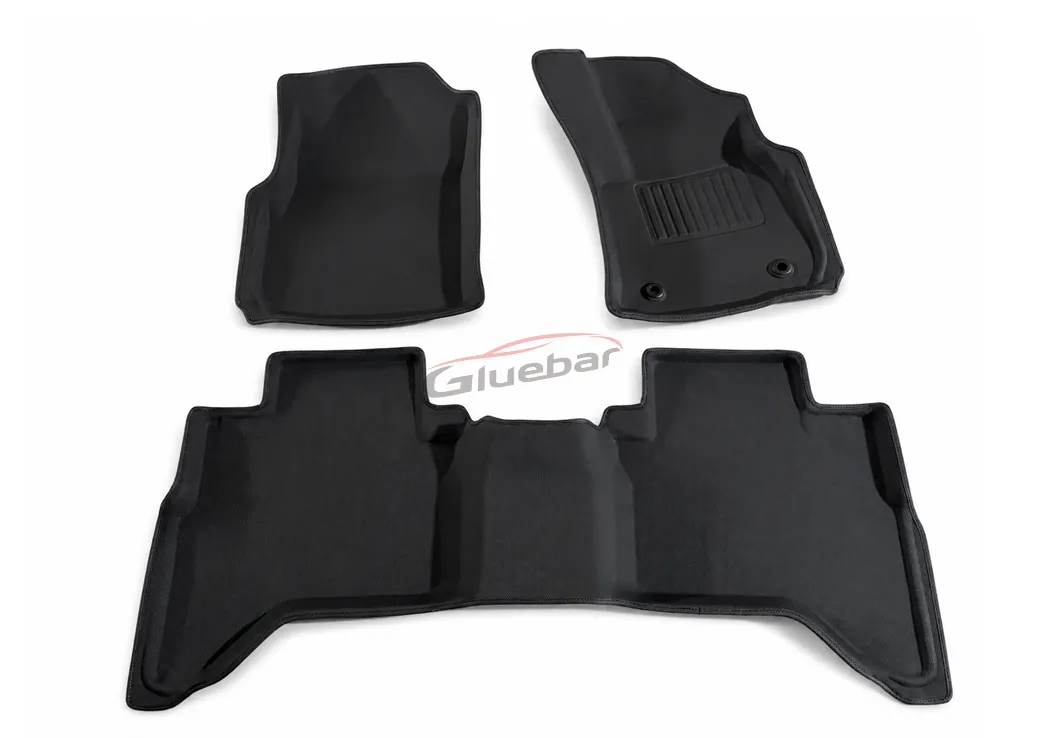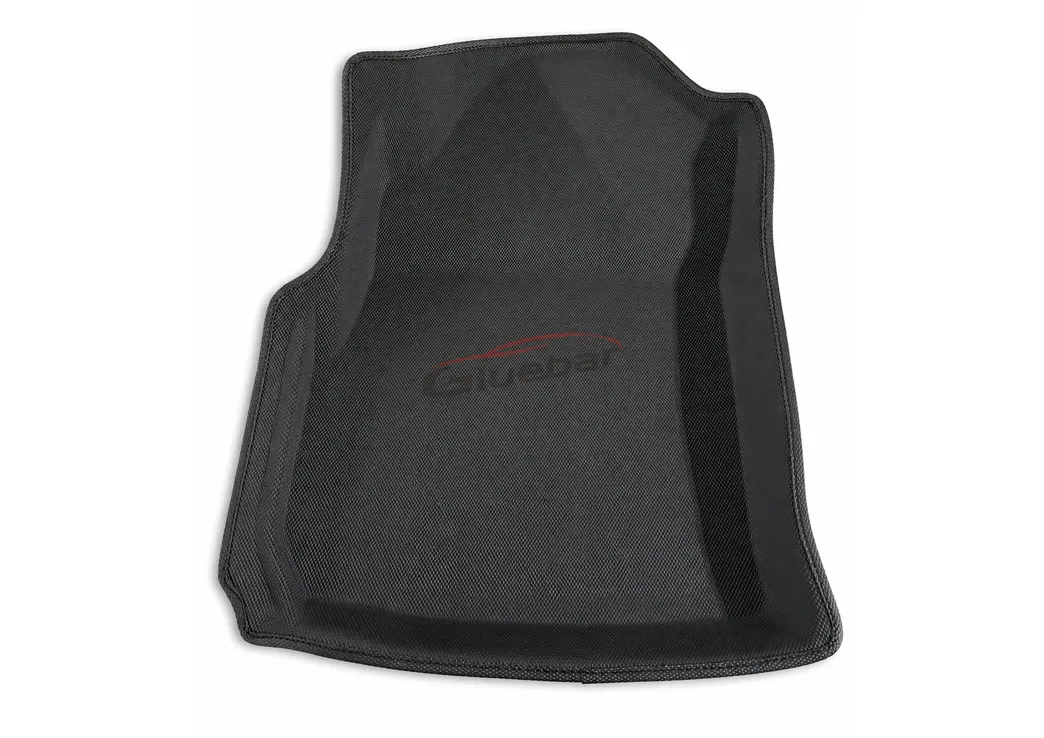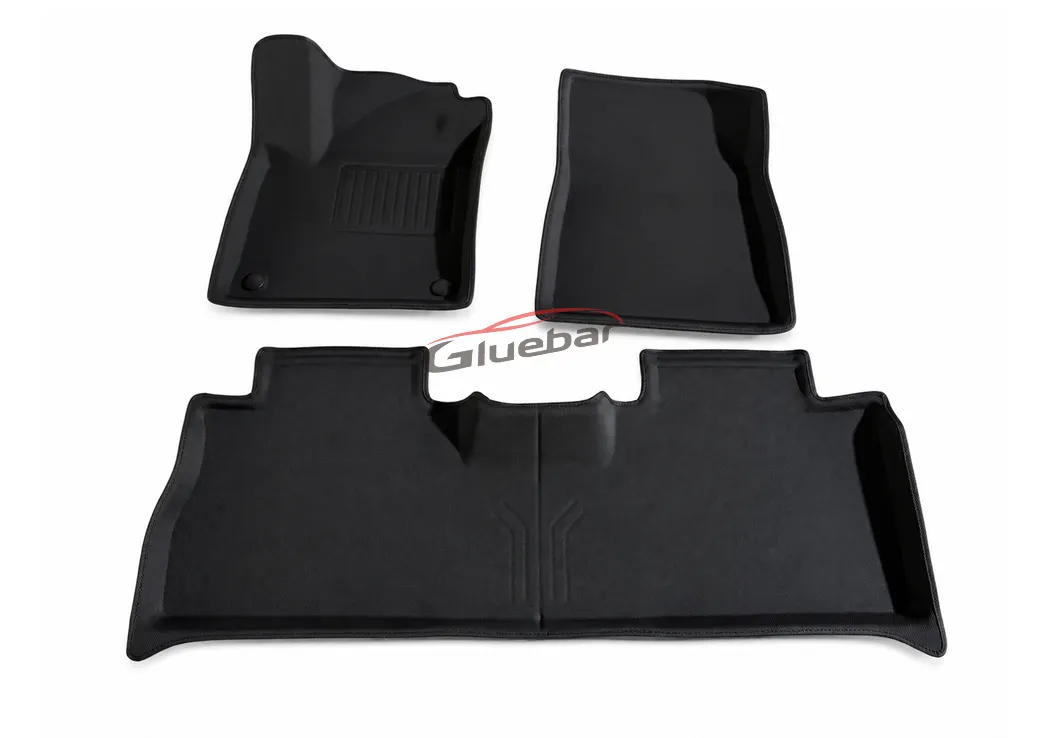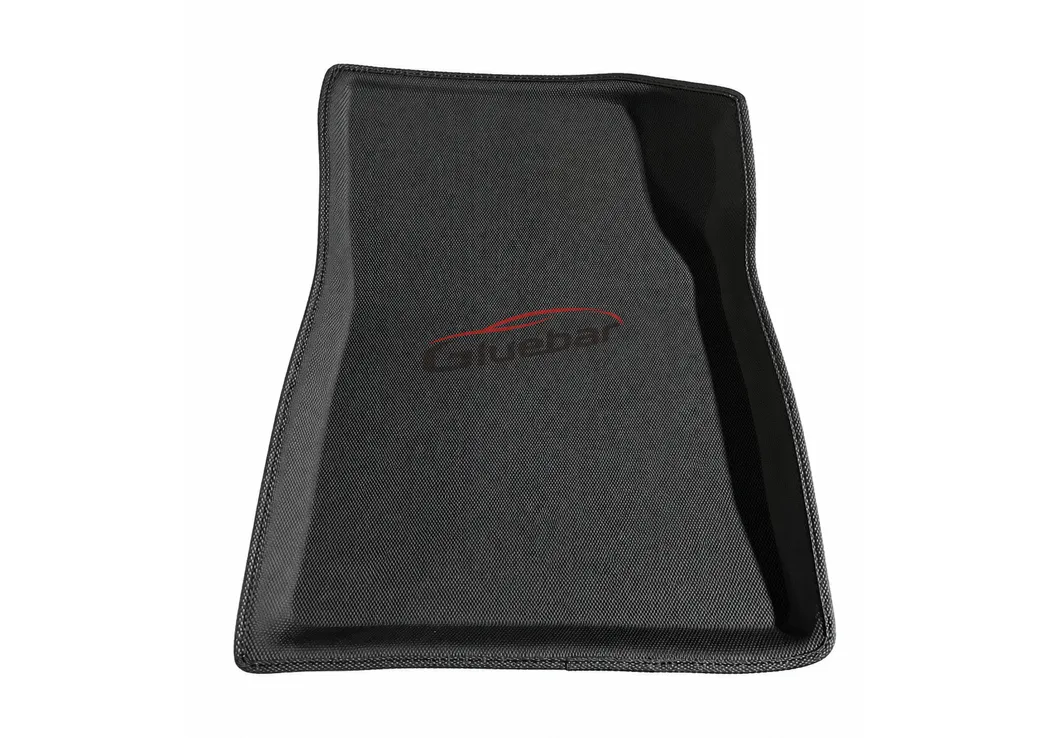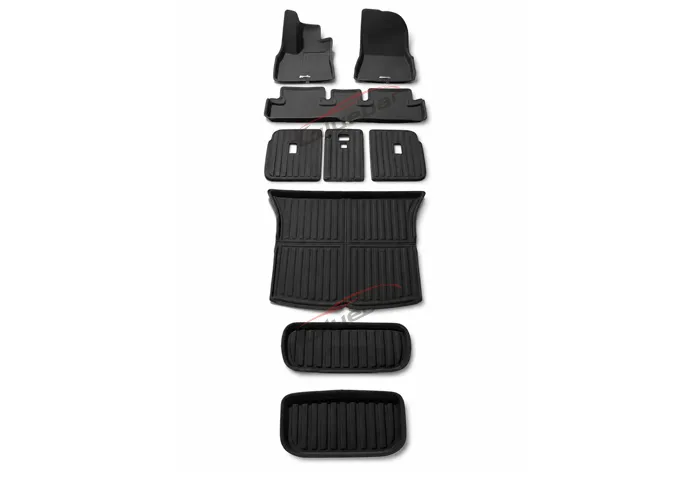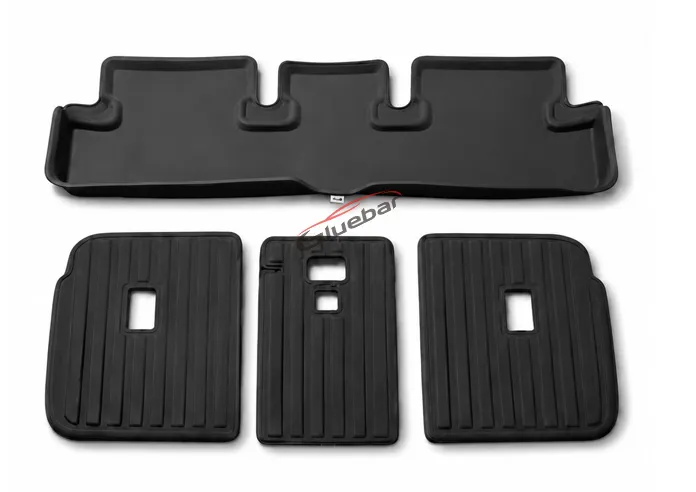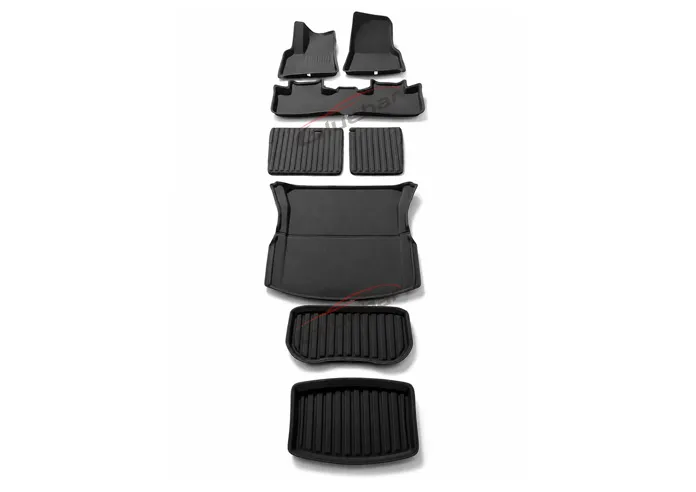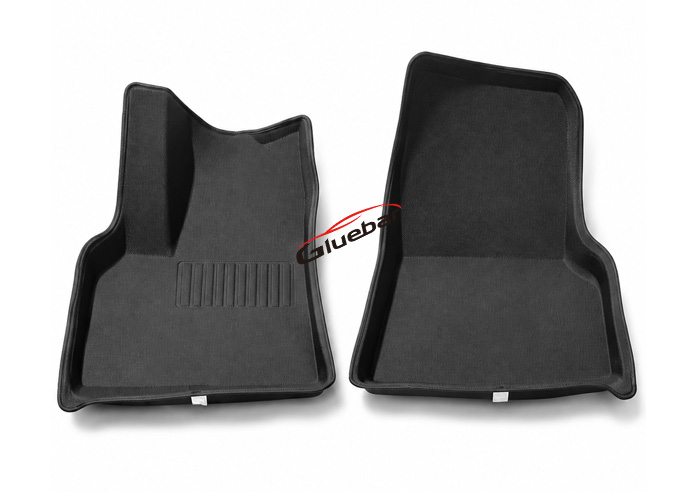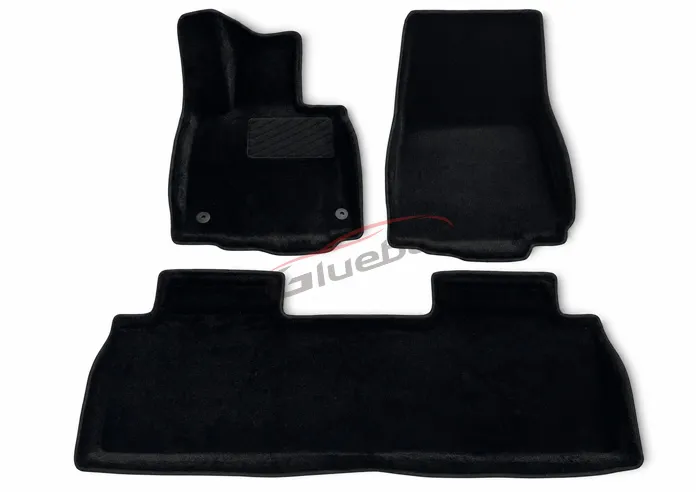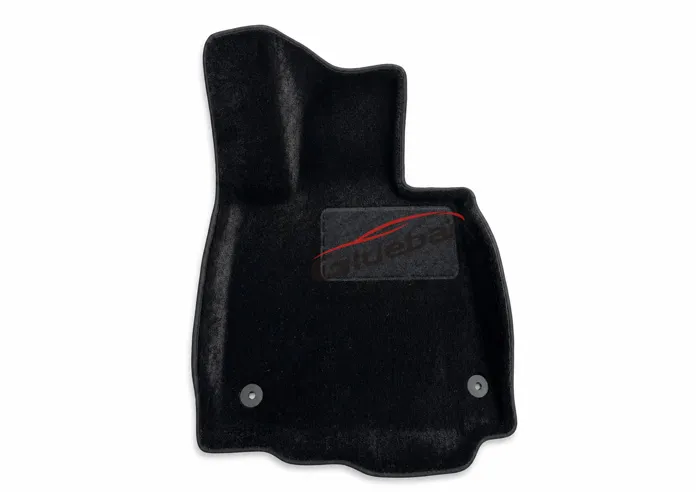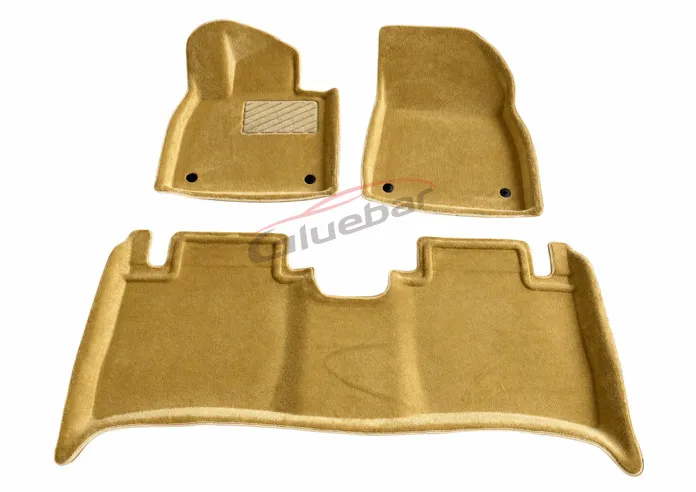
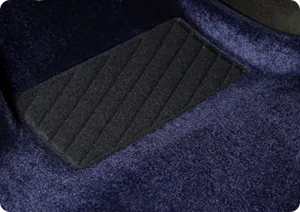
A high-quality car mat is essential for every car owner, as it builds genuine trust in the product and enhances the overall driving experience. For car-mat suppliers, distributors, and automotive-accessory retailers, delivering high-quality car mats is more than a product decision—it is a long-term competitive strength. Premium mats offer safer and more comfortable driving for end users, while bringing dealers and brands steady repeat purchases and stronger market recognition.
Today, one of the key questions for buyers is how to determine whether a mat truly qualifies as a high-quality car mat. To achieve reliability, durability, and a precise fit, the core quality of a mat typically depends on three critical factors: material, fitment accuracy, and overall durability. In the following sections, we will analyze these three dimensions to define what makes a car mat genuinely high quality.
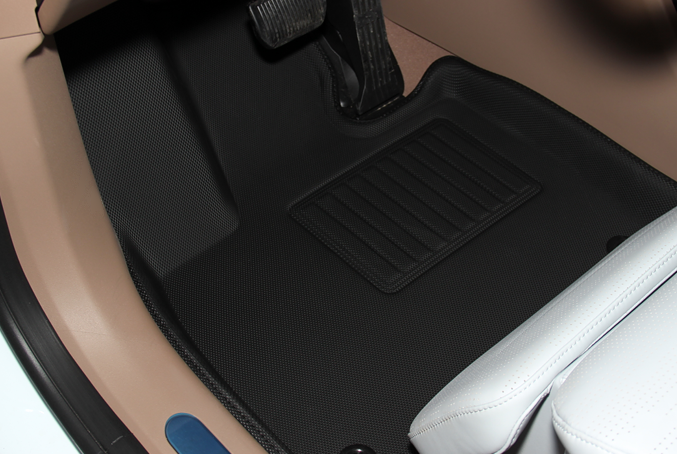
1.Why high-quality car floor mats matter for both the car and the driver
Protect the car’s floor and help the vehicle last longer
The factory carpet inside a vehicle is not designed for heavy wear. Mud, dust, spilled drinks, and daily friction can damage it over time. Fixing or replacing the floor is also expensive. Good floor mats offer better coverage, superior waterproofing, and stronger dirt resistance. They block moisture, dirt, and wear before they reach the original flooring. This slows down aging and reduces long-term damage. For people who keep their cars for many years, or who care about resale value, quality floor mats play an important role in protecting the interior and extending the life of the vehicle.
Impact on Driving Safety and Car Interior Cleanliness
Car floor mats are not just decorative accessories; they are crucial for driving safety. Poor-quality mats are prone to shifting, curling, or even getting stuck on the accelerator or brake pedals, posing potential safety risks. High-quality mats, on the other hand, offer a more precise fit and a more stable anti-slip design, maintaining their position during driving and preventing safety hazards. They also effectively prevent mud, rainwater, and oil stains from entering the car, reducing odors and the frequency of cleaning, resulting in a more comfortable and hygienic driving experience.
High-quality floor mats are key to enhancing the competitiveness of dealers and brands.
In the fiercely competitive automotive aftermarket, consistently providing high-quality floor mats is crucial for dealers and brands to earn long-term trust. High-quality floor mats not only provide a better user experience but also significantly reduce after-sales issues and increase customer repurchase rates. In many markets, consumers are willing to pay higher prices for more durable, environmentally friendly, and well-fitting floor mats, giving brands a significant advantage in profit margins, market positioning, and channel partnerships. Therefore, high-quality floor mats not only serve car owners but also determine the market competitiveness of suppliers and dealers.
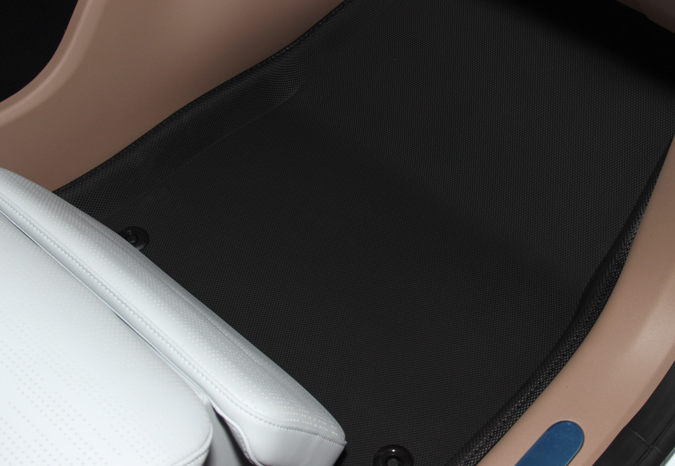
2. Material shapes performance: a quick look at common floor mat materials
Why TPE stands out (eco-friendly, no smell, handles heat and cold, non-slip)
TPE is one of the most popular materials for car floor mats today. Drivers in Europe, the U.S., and the Middle East even see it as the standard for higher-quality mats. It is eco-friendly, non-toxic, and almost odor-free. It can also be recycled. TPE stays flexible and keeps its shape even in harsh conditions, from –40°C to 80°C without becoming brittle or deforming. Because it has natural non-slip properties and good rebound, it fits the car floor well and doesn’t shift around. It also blocks water and dust, and it’s easy to clean. For people who care about health, safety, and environmental performance, TPE is a strong material choice.
Differences and Limitations of TPR/PVC Materials
TPR mats typically offer a balance of softness and durability, but are relatively weaker in odor control, high-temperature resistance, and environmental standards, making them suitable for more price-sensitive markets. PVC, as a traditional mat material, while lower in cost, is often unacceptable in countries with stringent environmental regulations. It is prone to developing odors at high temperatures, has poor slip resistance, and a relatively limited product lifespan. Therefore, for markets like the Middle East and Europe, which have high requirements for material safety and environmental protection, PVC and some low-end TPR materials are not ideal choices.
Performance Characteristics of Three-Layer Car Floor Mats (e.g., TPE + XPE + Anti-Slip Layer)
Three-layer car floor mats combine the advantages of different materials:
The TPE top layer provides waterproof, stain-resistant, and abrasion-resistant properties;
The XPE middle layer offers lightweight construction, cushioning, and some sound insulation;
The bottom anti-slip structure ensures the mat remains stable and doesn't shift during driving.
This structure performs exceptionally well in high-end markets such as the US, Canada, and Europe because it combines durability, comfort, and safety, meeting the diverse needs of family cars, commercial vehicles, and even SUVs.
How to Choose the Right Materials for Your Foot Mat Market (US/Europe/Middle East/Africa)
Different regions have different user preferences for floor mats. Therefore material strategies need to be tailored to local conditions:
European Market: Prioritizes environmental friendliness, safety, and fit; TPE and three-layer structures are most popular.
Middle Eastern Market: Hot climate necessitates materials with high heat resistance and no deformation; TPE offers a clear advantage.
Southeast Asian Market: Focuses on price and dust resistance; TPR or more cost-effective three-layer structures are more competitive.
South American Market: Emphasis is placed on the wear resistance and ease of cleaning of foot mats; mid-to-high-end TPE and improved TPR are in high demand.
By selecting materials and product lines flexibly based on different market demands, brands and distributors can more accurately match user purchasing preferences, thereby increasing sales and market share.
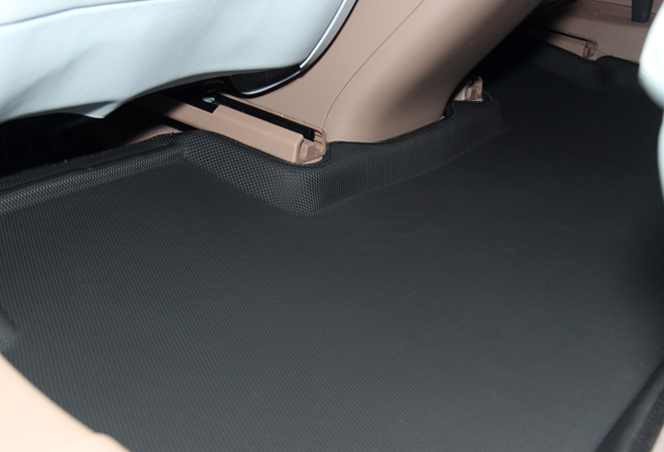
3. Fit determines experience: The importance of precise vehicle matching
How High-Edge Structure and Groove Design Enhance Coverage
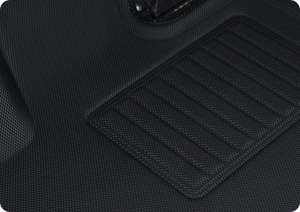
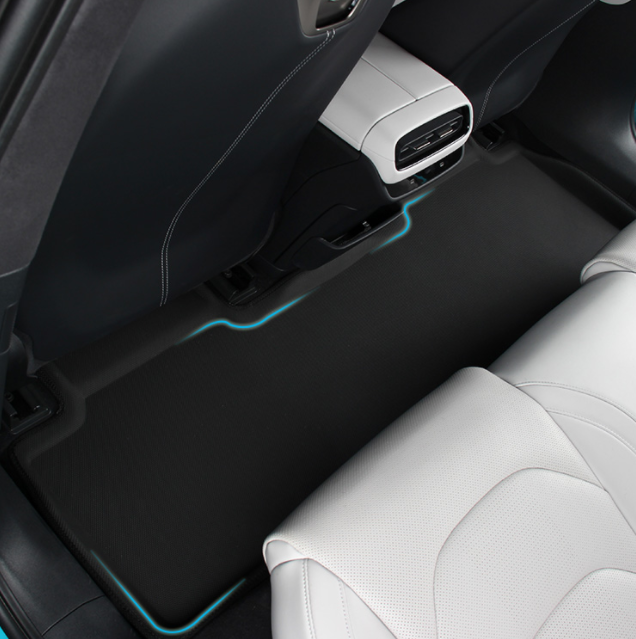
The fit of floor mats is determined not only by vehicle model specifications but also by their structural design. A high-edge design creates a stronger wrap around the mat, effectively preventing mud, rainwater, and debris from spilling over onto the vehicle floor. Meanwhile, the internal grooves and channels further optimize drainage and dirt retention, preventing the mats from becoming submerged in dirt during daily use and improving cleaning convenience. The more rational the structural design, the stronger the coverage and functionality of the floor mats, resulting in higher user satisfaction.
1:1 Fit to Original Car Models with Laser Scanning Technology
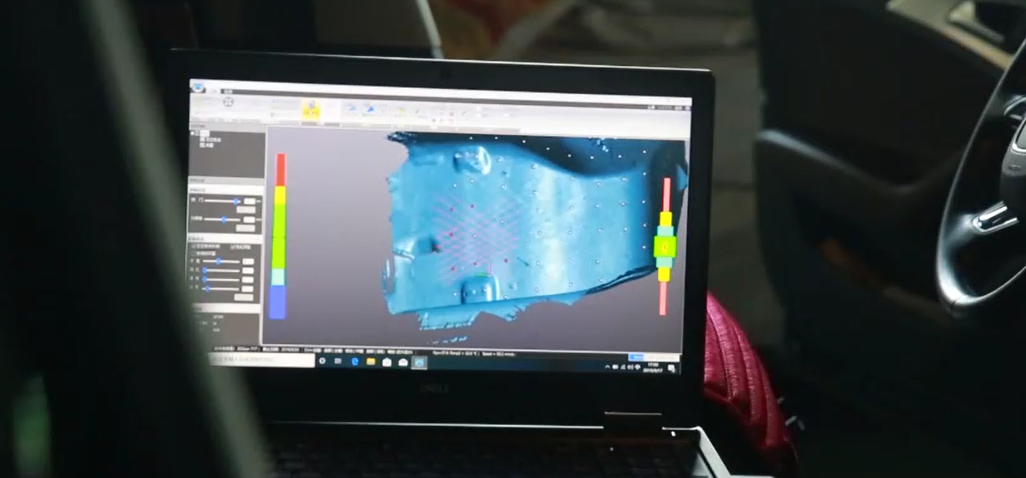
Modern high-end floor mats commonly employ laser scanning technology to collect vehicle model data, achieving millimeter-level precision modeling. Compared to traditional manual measurement methods, laser scanning ensures a 1:1 fit between the floor mat and the original car floor, perfectly conforming to the accelerator, brake, and seat underbody curves, preventing displacement, curling, and other safety hazards. This precise fit not only enhances the stability of the floor mats but also creates a more upscale and clean overall look, meeting the basic quality requirements of the high-end market.
LHD vs. RHD and Why Model-Year Differences Matter
Cars in different regions are built differently. Most cars in Europe and China use left-hand drive (LHD), while countries like the U.K., Australia, and Japan use right-hand drive (RHD). If a floor mat maker ignores this, it’s easy to send out the wrong size and end up with returns.
Model updates also change the floor layout. For example, a car made from 2018–2022 may have a different base shape than the 2023–2025 version. Even small changes can affect how the mat fits.
Because of this, suppliers need accurate data for each model, each drive type, and each production year. Only then can the mats fit well in markets around the world.
How fit affects stability, safety, and the look of the car
Fit is not just about whether a floor mat "looks right." It also affects safety. A mat that doesn’t fit well can slide, lift up, or get stuck under the pedals. This can create serious driving risks. A well-fitted mat stays in place and matches the shape of the car’s floor. It keeps the interior clean and consistent.
Better fit also reduces noise, shaking, and wear during daily use. The mat lasts longer and feels more stable. Because of this, precise fit is one of the most important signs of a high-quality car floor mat.
4. Durability is a Core Indicator of Long-Term Value
Abrasion Resistance, Water Resistance, and Oil Repellency Testing Standards
High-quality car floor mats must withstand the wear and tear and contamination that comes with long-term use. Abrasion resistance is typically verified through abrasion tests (such as the Taber Abrasion Test) to ensure that the mats do not easily crack or show significant wear even after prolonged use. Meanwhile, water and oil resistance are also key indicators of durability. By simulating real-world scenarios such as rain, mud, and oil stains, the resistance of the mat's surface to penetration can be tested. The easier the mat is to clean and the less prone it is to penetration, the more effectively it protects the original car floor and extends the lifespan of the vehicle's interior.
Performance of Cold and Heat Resistance in Different Climate Markets
The global market exhibits significant climate variations, resulting in vastly different performance requirements for car floor mats in different regions.
In high-temperature regions (such as the Middle East), ordinary materials may soften, deform, or develop odors due to excessive heat.
In extremely cold regions (such as Northern Europe or Canada), low-quality car floor mats may harden, become brittle, or even break.
High-quality TPE door mats remain flexible and stable in environments ranging from -40°C to 80°C, making them more suitable for a wide range of climates. Excellent cold and heat resistance not only enhances the user experience but also significantly reduces after-sales risks.
The Relationship Between Foot Pad Lifespan and Material Density and Structural Design
The durability of foot pads depends not only on the material itself but also on its density and structural design. Higher-density TPE or composite materials offer greater pressure resistance and abrasion resistance, allowing the pads to maintain their shape even under prolonged use.
Meanwhile, a well-designed structure—such as thickened stress areas, reinforced ribs, and an anti-slip bottom layer—significantly improves the overall lifespan of the foot pads. Improper design in critical areas can lead to problems such as localized dents, cracks, or shortened lifespan.
Key Durability Factors Affecting After-Sales Complaint Rates
From the perspective of manufacturers and distributors, durability directly impacts after-sales complaint rates. Common complaints include cracked, deformed, smelly, curled, shifted, or difficult-to-clean floor mats. These problems mostly stem from insufficient durability, such as inappropriate material selection, weakened anti-slip structure design, or temperature resistance unsuitable for the local market environment. Strengthening quality control and optimizing material and structural design can significantly reduce return and after-sales costs, bringing higher market reputation and customer satisfaction to the brand.
5. Manufacturing Process: Quality control flow from raw materials to finished products
Raw Material Inspection and Environmental Testing Upon Arrival
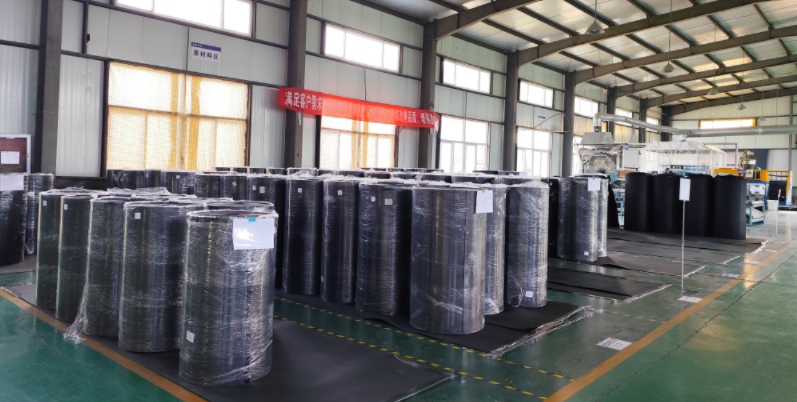
As a professional automotive floor mat manufacturer, Gluebar understands that"good products begin with good raw materials."All TPE raw materials undergo rigorous visual inspection, hardness testing, and density testing before entering the factory, and are also subject to batch-by-batch environmental testing to ensure compliance with safety standards in major global markets. Only after raw materials pass multiple reviews, including those for odorlessness, safety, and stability, will they enter the production process, ensuring a solid foundation for product quality from the very beginning.
Differences between Hot Press Molding and Other Processes
Gluebar primarily uses hot-press molding, a process that presses the entire floor mat structure under high temperature and pressure, resulting in superior strength and stability. Compared to traditional injection molding or splicing processes, hot-press molding offers better fit, water resistance, and product lifespan. Furthermore, the resulting edges are tighter, less prone to cracking, and have a more premium look.
This advanced technology enables Gluebar to consistently provide global customers with high-end floor mat products characterized by strong wear resistance, stable structure, and high consistency.
Mold and Scan Data Management and Updates
Precise fit stems from precise data. Gluebar uses laser scanning technology to collect original vehicle floor data for each model and establishes independent data files based on vehicle year, driving version (LHD/RHD), and regional market demands.
All molds are managed systematically, including:
Regularly checking mold wear
Timely updating scan data based on vehicle model changes
Establishing multi-version adaptation libraries for different markets
This data and mold management system ensures that Gluebar can consistently provide customers with 1:1 high-fit products and quickly respond to changes in market vehicle models.
Finished Product Tensile Testing, Aging Testing, and Dimensional Stability Testing
Before leaving the factory, Gluebar conducts multiple tests to ensure the car floor mats maintain high-quality performance under real-world usage conditions. Common tests include:
Tensile and Rebound Testing: Ensures the car floor mats retain their structural integrity after repeated use;
Aging Testing (UV/Temperature and Humidity Testing): Simulates prolonged exposure to sunlight and humidity;
Dimensional Stability Testing: Verifies whether the car floor mats deform, curl, or shrink due to temperature changes;
Anti-slip and Abrasion Resistance Testing: Ensures the car floor mats do not shift or crack over a long period.
Through these rigorous processes and testing procedures, Gluebar can consistently produce reliable, market-accepted car floor mats, providing high-standard OEM/ODM services to global distributors, brand clients, and OEMs.
6. Designing for global markets: different regions, different habits
As a manufacturer with many years in the car floor mat industry, Gluebar focuses on "market-specific design" when offering OEM and ODM services. Drivers in different regions face different road conditions, habits, and buying preferences. Because of this, Gluebar adjusts materials, structures, and kit combinations for each market. The goal is to keep a high level of fit and strong performance worldwide.
Why the U.S. and Europe prefer all-weather TPE mats (durable, waterproof)
The U.S., Canada, and Northern Europe deal with complex road conditions and long seasons of rain and snow. Because of this, many users there prefer all-weather TPE mats. Gluebar’s TPE line for these markets offers strong protection against water, mud, and snow. The mats are also odor-free, recyclable, and meet common environmental standards.
Safety is also a big concern for Western buyers. To match this, Gluebar’s TPE mats use reinforced structures and non-slip designs. This is why many local distributors, brands, and auto stores keep choosing these models long-term.
Middle East markets care about heat resistance and mat thickness
The Middle East has extremely hot weather, and the inside of a car can get very warm. Because of this, floor mats in this region must handle high temperatures without softening or giving off smells. Gluebar’s TPE material stays stable in heat, so it has become a popular choice in this market.
Many buyers in the Middle East also prefer thicker mats with a stronger look. They believe thicker mats feel more durable. To match this demand, Gluebar offers a special thickened TPE series. The design includes stronger ribs, higher edges, and an improved non-slip base. Even in high-temperature conditions, the mats stay firm and stable.
Southeast Asia and South America focus more on price and dirt resistance
In Southeast Asia and South America, many users care more about cost and how well the mats handle dirt. Gluebar designs TPR mats and strengthened three-layer mats for these regions. They offer good protection against mud and stains while keeping the cost at a level that fits the local market.
These mats are also easy to rinse and don’t hold dirt. This makes them practical for places with long rainy seasons and high humidity.
How to Customize SKUs and Packaging Based on Regional Needs
In practical implementation, Gluebar will tailor more detailed SKU and packaging solutions for different regional clients based on these two main product categories, including:
Product Type Emphasis by Region
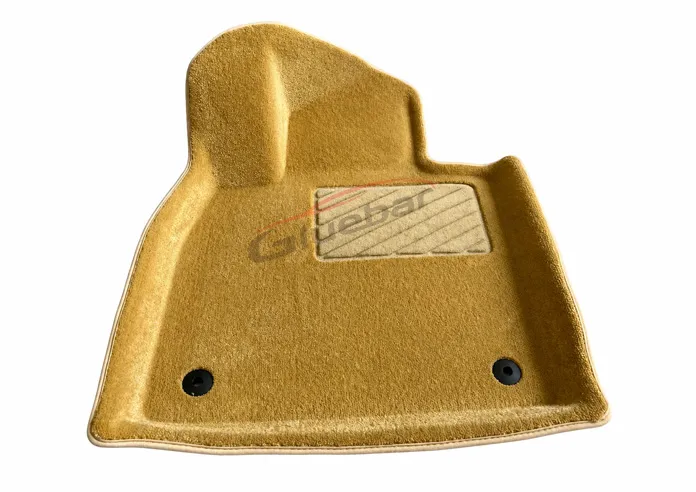
- Europe and America: Primarily promote TPE all-weather car floor mats, with European-style fleece mats as a supplement to enhance the interior's quality;
- Middle East: Emphasize high-temperature resistant TPE car floor mats, with some high-end models featuring European fleece floor mats;
- Southeast Asia/South America: Configure a ratio between practical TPE and comfortable European fleece floor mats based on customer positioning.
Sets Based on Vehicle Model and Usage Scenarios
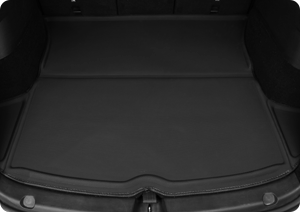
- Different combinations such as front row sets, complete front and rear sets, and trunk floor mats facilitate end-user sales;
- Packaging Differentiation Based on Channel and Brand
- Provide dealers and brand clients with logo-branded outer boxes, instruction manuals, and multilingual labels;
- For e-commerce channels, individual packaging designs can be provided for convenient online shipping and display.
By combining regional configurations and combinations within the same factory and across two major product lines, Gluebar is able to provide car floor mat solutions that better suit actual usage scenarios for different markets around the world, helping partners improve product competitiveness and customer satisfaction.