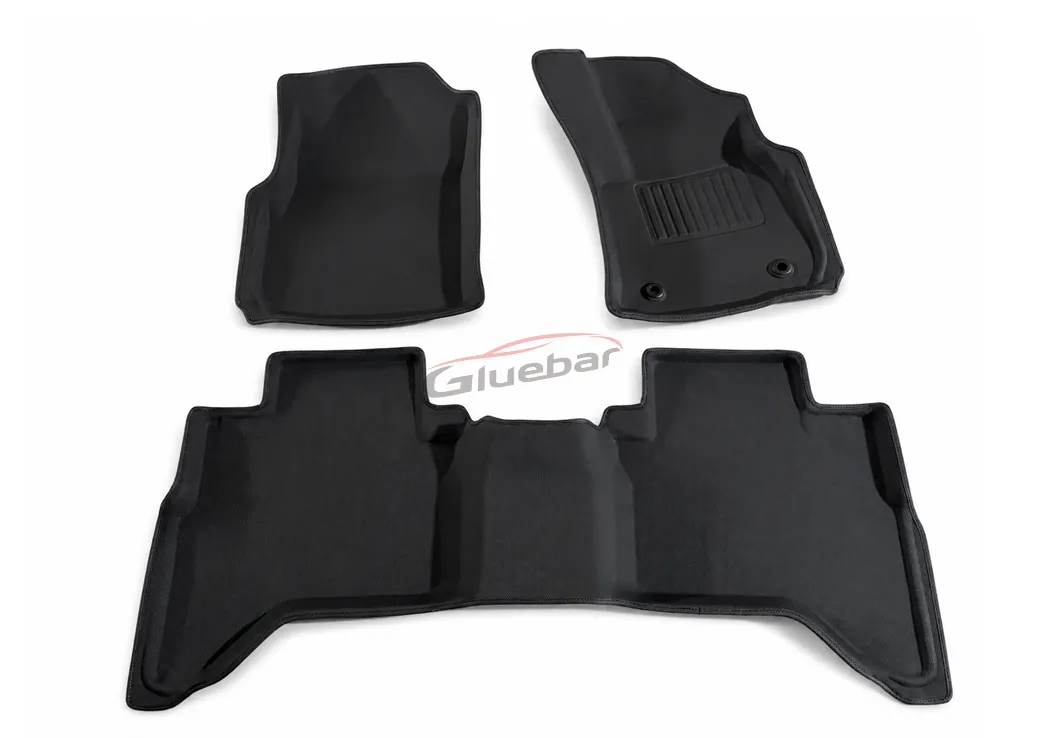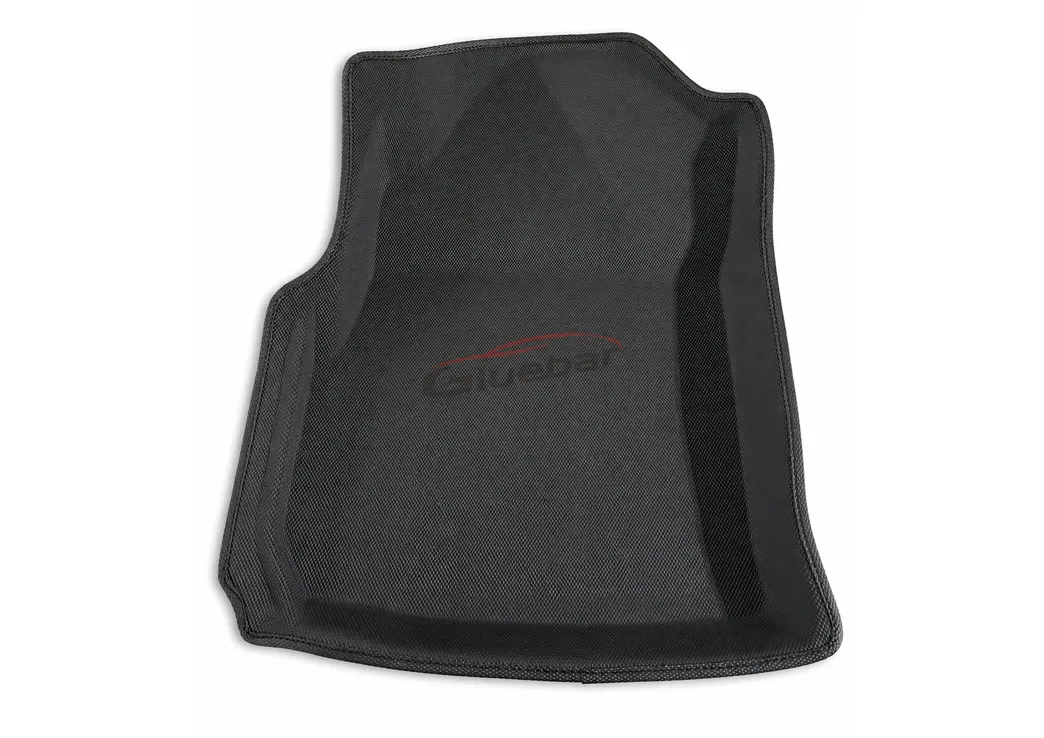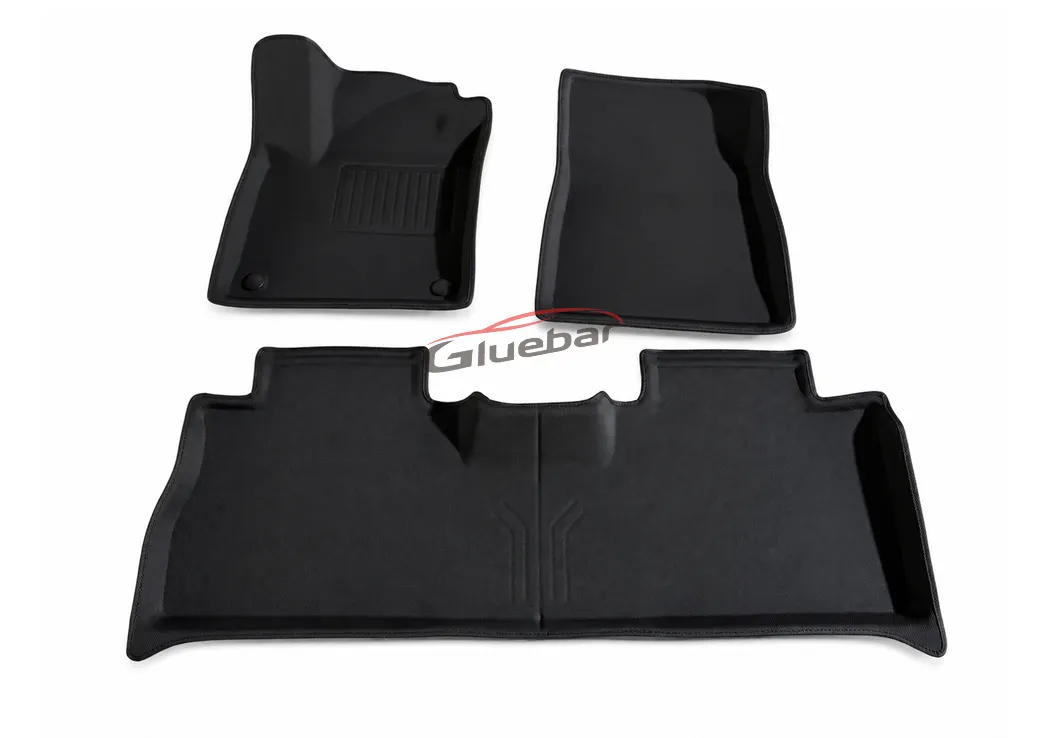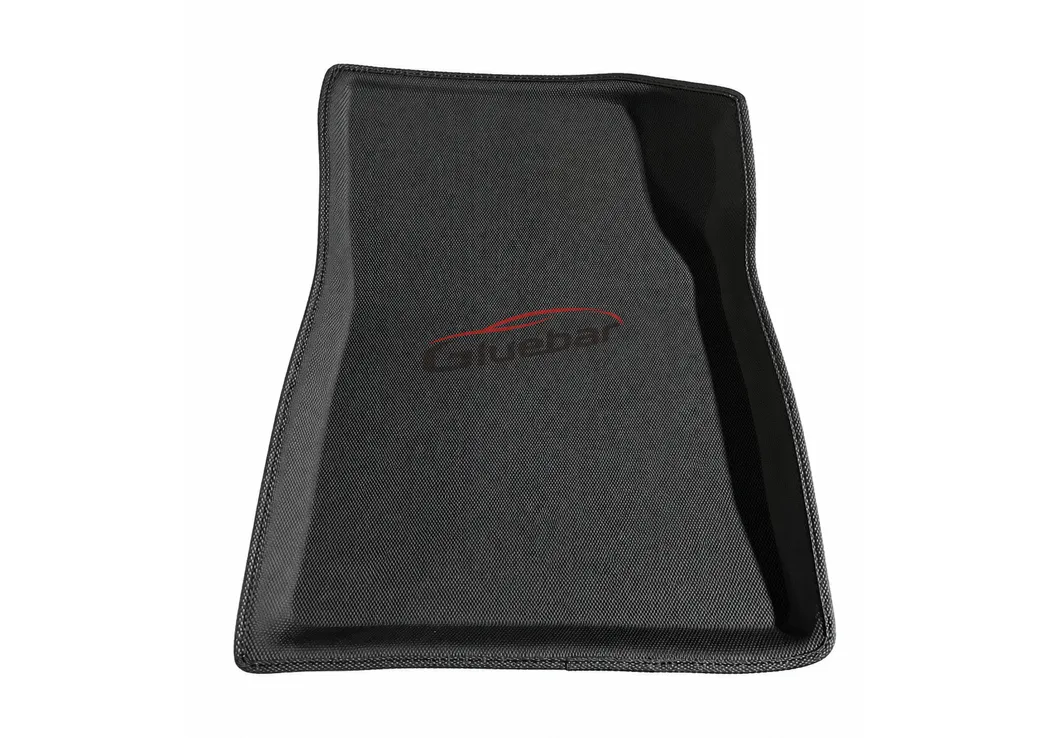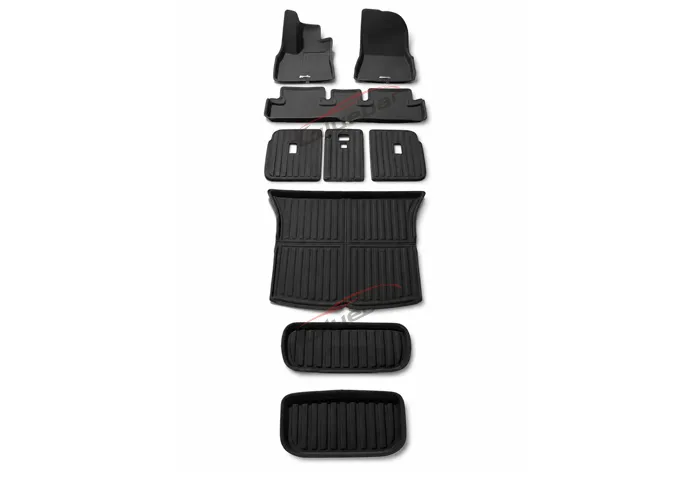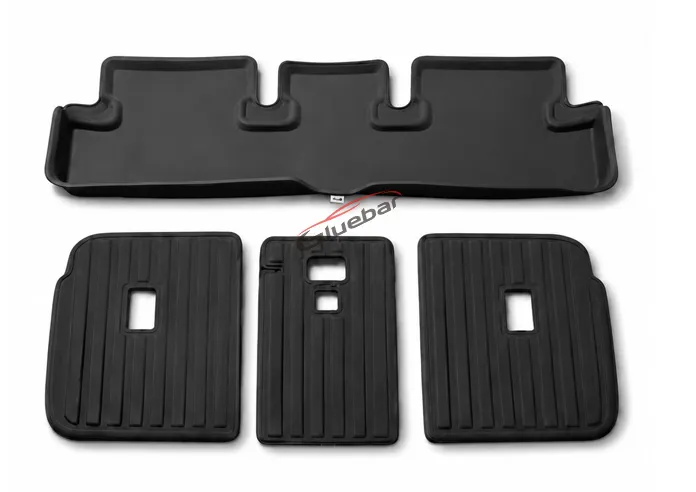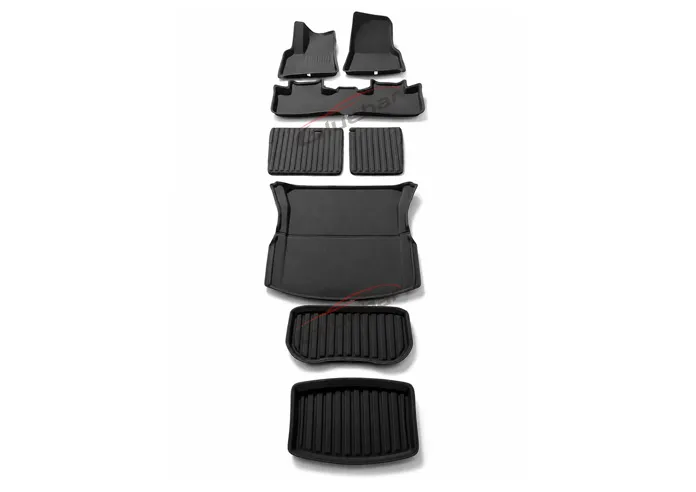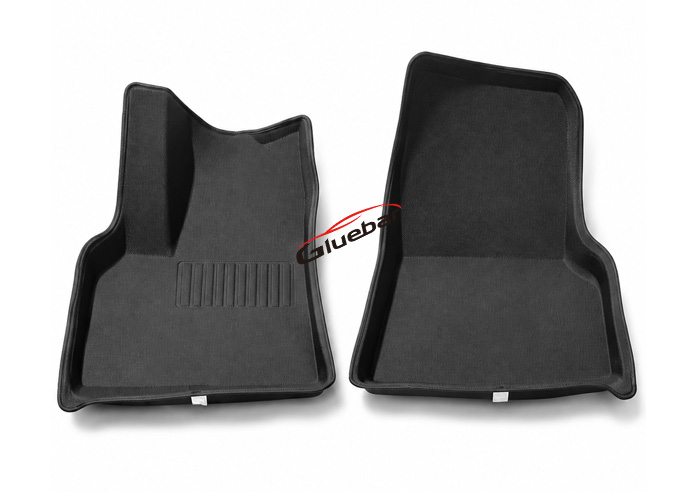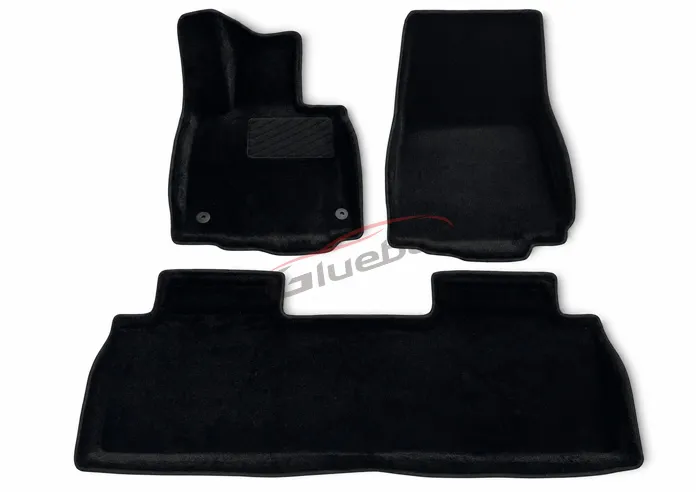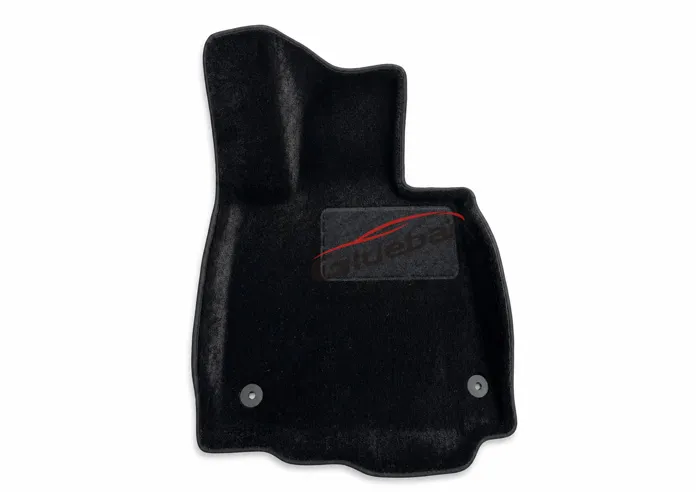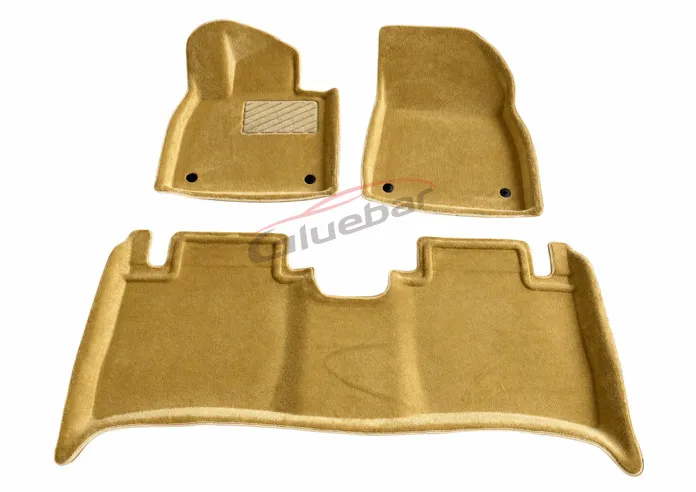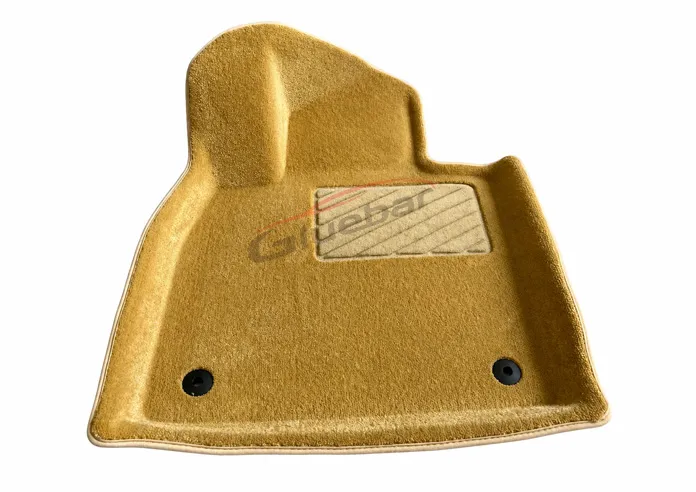
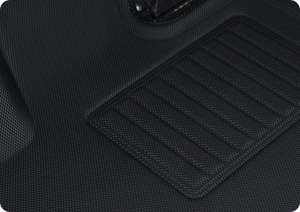
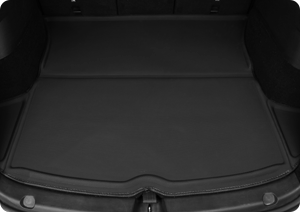
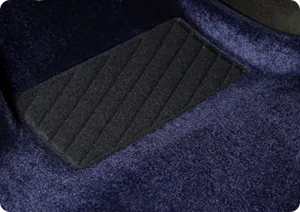
In the automotive industry, even within the same brand, there are many different car models. As a car floor mat supplier, there are numerous factors to consider when developing car floor mats. For example, taking Toyota as an example, from the Corolla, Camry, and Alphard to the Fortuner, Prado, and Venza, each model has a different chassis structure, cabin dimensions, footrest angle, and even clip positions. For car floor mat suppliers, this means that each car requires independent molds, independent data, and independent adaptation solutions.
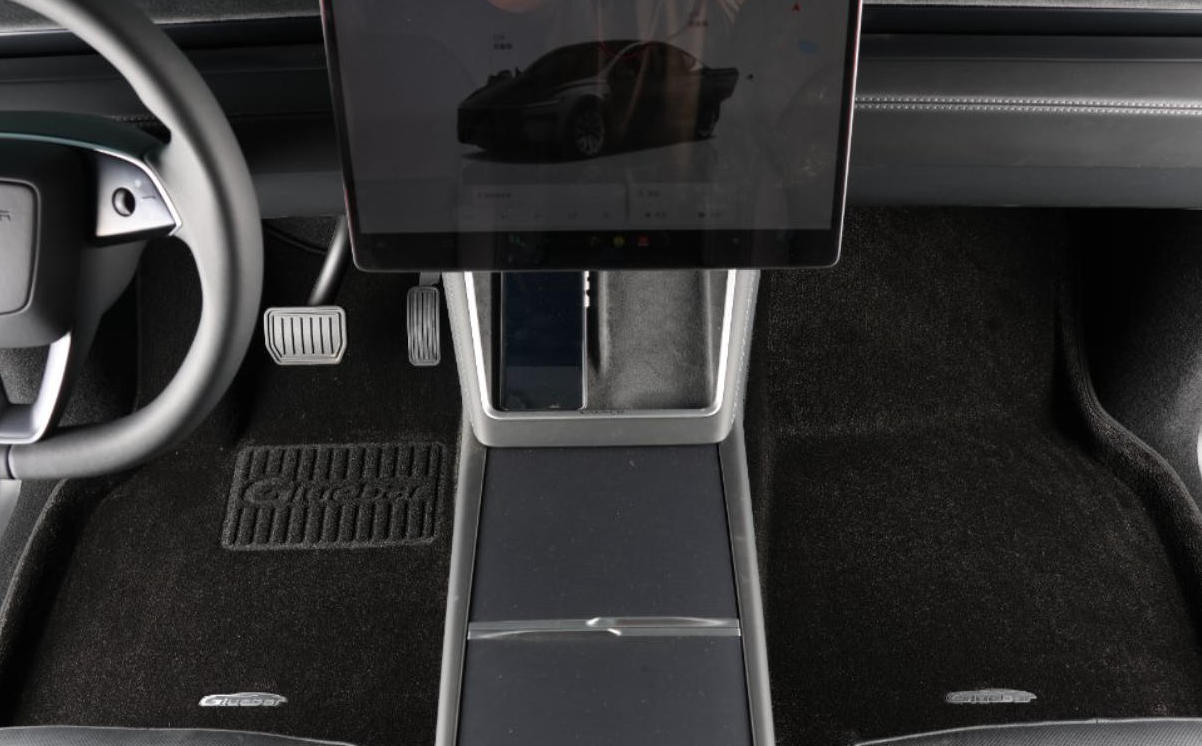
Gluebar, as a car floor mat factory supplier, customizes and develops car floor mats according to different car models.
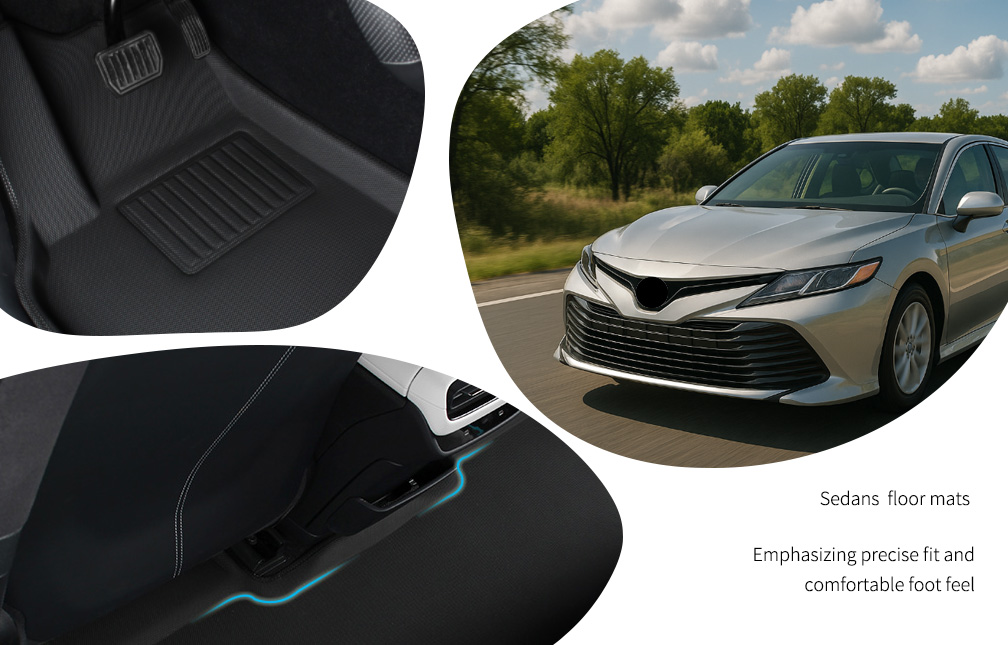
I. Sedans: Emphasizing precise fit and comfortable foot feel
Compatible Vehicle Models and Design Focus
Sedans such as the Toyota Corolla, Camry, Yaris, and Honda City, Accord, etc., generally feature low chassis and compact interior space. For these vehicles, the development focus of floor mats is on "precise fit and comfortable feel." Gluebar engineers meticulously measure the floor contours, footwell areas, and edge curvature of different vehicle models during the initial design phase to ensure the floor mats blend perfectly with the vehicle body after installation, providing both stability and without interfering with driving operations.
Engineering and Process Considerations
In the manufacturing process, the mold opening precision is strictly controlled to within 0.1 millimeters.
This extremely high standard stems from the stringent requirements for angles and contact surfaces in the footwell of cars—even a slight error could cause the floor mat to slip or lift during driving, affecting driving safety.
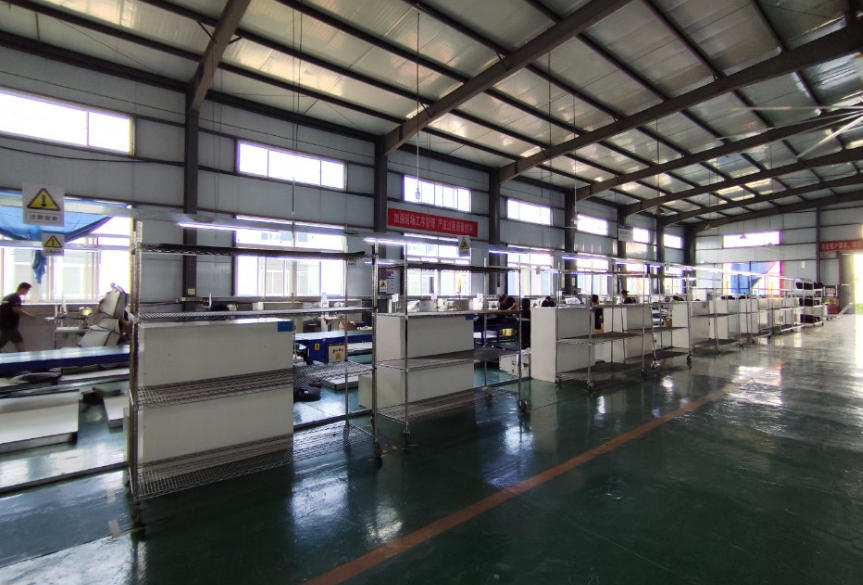
Gluebar's production line is equipped with high-precision 3D scanning equipment and laser rangefinders, capable of capturing the minute differences of each car model and feeding this data back to the mold team in real time for adjustments, resulting in a truly "original car-level fit".
Materials and User Experience
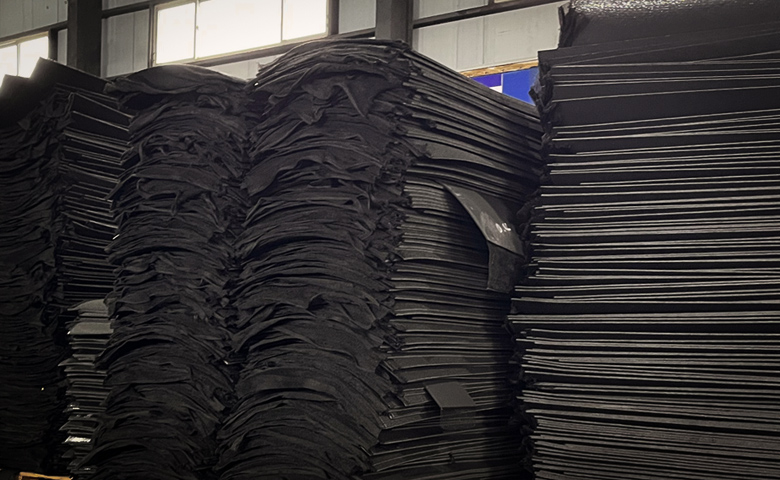
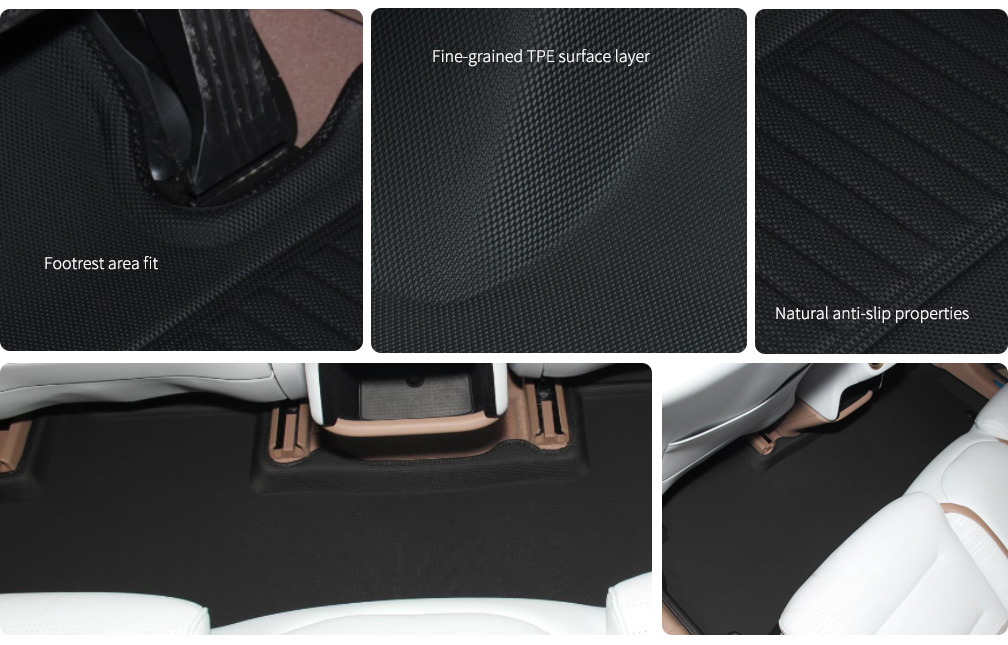
In terms of material selection, Gluebar uses a composite structure of a fine-textured TPE surface layer and a flexible middle layer for its car floor mats. This composite solution provides both a soft feel and sufficient support.
The natural anti-slip properties of TPE allow drivers to maintain stability during frequent starts and stops or foot pedal operations, while the fine-textured surface effectively prevents dust accumulation and slippage.
Furthermore, the middle composite layer provides shock absorption and sound insulation, significantly improving in-car comfort in urban commuting environments.
Real-world Development Cases
Taking the Toyota Corolla and Camry as examples, although both belong to the Toyota brand, the two models have different platform architectures—the former is based on the TNGA-C platform, while the latter is based on the TNGA-K platform.
There are significant differences in foot depth, floor slope, and clip positions.
Gluebar's R&D team independently creates 3D models for each version, recalculating the mold curvature and edge wrapping angle to ensure that the floor mats perfectly conform to the chassis lines after installation, forming a stable fixing point and preventing slippage.
It is this rigorous craftsmanship and meticulous design that allows Gluebar's car series floor mats to achieve a perfect balance between comfort and safety.
II. SUVs / Crossovers: Born for Extreme Environments
Vehicle Characteristics and Design Challenges
SUVs and crossover vehicles, such as the Corolla, Venza, Honda CR-V, and HR-V, feature higher ground clearance, deeper legroom, and wider rear seating.
These characteristics make floor mat design more complex, requiring a balance between comfort and stability while maintaining interior cleanliness in challenging environments like mud and rain.
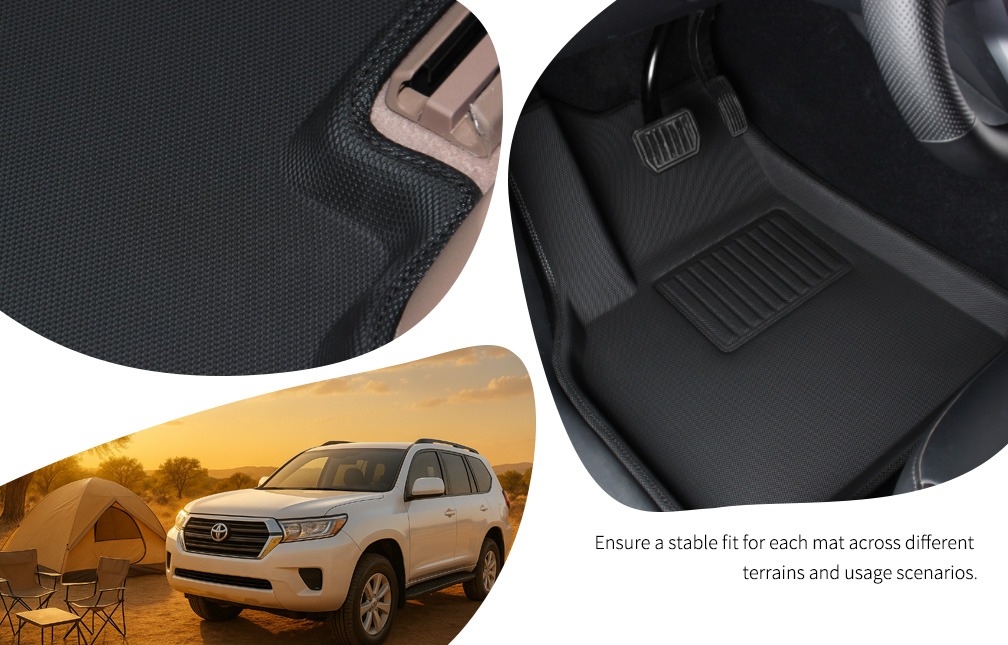
In developing floor mats for these types of vehicles, Gluebar focuses on addressing key issues such as center tunnel bulges, varying clip positions, and waterproof/dustproof structures to ensure a stable fit for each mat across different terrains and usage scenarios.
Engineering Design and Structural Optimization
The development of SUV floor mats requires higher precision in 3D modeling.
After collecting chassis data, Gluebar engineers design a high-edge structure with raised edges for areas with significant height differences within the vehicle, effectively preventing mud and water leakage.
The bottom layer uses a reinforced anti-slip stud structure, ensuring the floor mats remain fixed and do not shift on rough roads or during frequent entry and exit from the vehicle.
Furthermore, Gluebar adjusts the mat thickness according to the vehicle's center of gravity and foot pressure distribution, ensuring sufficient pressure resistance while maintaining flexibility.
Material Technology and Performance Enhancements
SUVs are often used in more varied environments, from city roads to outdoor camping, requiring floor mats to withstand greater temperature and humidity changes.
Gluebar has optimized its TPE material to address this, ensuring it remains flexible and resistant to cracking or deformation even under extreme heat or freezing temperatures.
TPE material itself possesses excellent molecular memory, quickly returning to its original shape after pressure, so the mats won't collapse even after prolonged use.
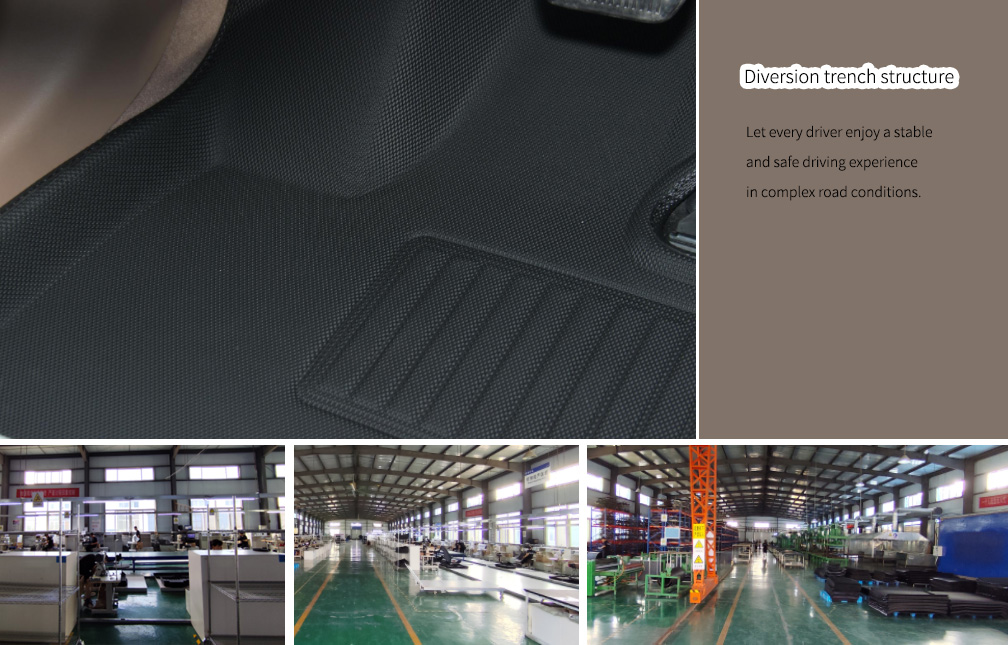
To further enhance waterproofing and stain resistance, Gluebar has incorporated drainage channels into the surface texture design. These channels quickly guide water to the edges, keeping the mat surface dry.
After dozens of real-vehicle tests, this design performed exceptionally well in rain and snow, effectively reducing slipperiness inside the vehicle and facilitating cleaning and maintenance; users can simply rinse with water to restore cleanliness.
Real-world examples and adaptation details
Taking the Toyota Corolla Hybrid as an example, its hybrid and gasoline versions are almost identical in size, but due to different battery module layouts, the height and curve of the rear floor platform differ slightly.
Gluebar identified this difference through laser scanning in the early stages of development and made multiple corrections to the rear support angle and edge coverage area during mold design. After several trial installations and road tests, the two versions were finally made completely consistent in terms of feel and fit.
It is this meticulous attention to detail that enables Gluebar to provide truly original-vehicle-grade floor mat solutions for SUVs with different powertrains and chassis structures, ensuring a stable and safe driving experience for every driver in complex road conditions.
III. MPVs and Large Vehicles: Emphasizing Luxury and Integrated Design
Vehicle Characteristics and Design Challenges
MPVs and large vehicles, such as the Toyota Alphard (AH40) and Sienna (NSP170G), are primarily used for business travel and family trips. Compared to sedans or SUVs, users of these vehicles have higher requirements for interior comfort, quietness, and overall aesthetics.
Therefore, in floor mat design, Gluebar not only needs to meet basic protection and fit requirements but also achieve a visual and tactile experience of "high-end texture and integrated coverage."
The large interior space, complex sliding rail systems, and varied seating layouts significantly increase the difficulty of floor mat development. For Gluebar, each MPV floor mat development project represents a challenge in balancing precision and craftsmanship.
Precision Structure and Thermoforming Process
MPV floor mats typically cover a larger area, with almost no clear boundary between the front and rear rows.
To ensure overall flatness and visual integration, Gluebar employs a one-piece thermoforming process, allowing the floor mats to perfectly fit the floor structure during molding.
The integrated front and rear floor mats not only need to precisely avoid the sliding rail positions but also maintain the integrity and anti-slip properties of the floor.
Engineers repeatedly measure the width, height, and travel range of the sliding rail system to ensure that the floor mats do not jam or curl when the seats slide.
Taking the Alphard and Sienna as examples, although both are three-row vehicles, their sliding rail structures are completely different: the Alphard uses a dual-rail sliding system with rails located on both sides of the floor, while the Sienna has a centrally located single-rail structure with the rails concentrated in the central area.
During the modeling phase, Gluebar's engineering team uses high-precision 3D scanning to comprehensively measure the width, height, travel range of the sliding rails, and the structure under the seats.
Comfort and Quiet Operation
In high-end business vehicles, floor mats not only provide protection but also directly impact the comfort and quietness of the cabin.
Gluebar has upgraded the floor mat structure for MPVs, thickening the footwell area for improved softness.
A multi-layered composite noise-reducing structure, incorporating an XPE cushioning layer in the middle, effectively absorbs chassis vibrations and reduces road noise.
The TPE surface features a fine, non-slip texture, maintaining a dry feel while showcasing a more premium feel.
This material combination makes the MPV cabin experience more comfortable and quiet, especially suitable for business receptions or long-distance travel.
Case Study: Differentiated Design Between Dual-Rail and Single-Rail Systems
In the Alphard model, the dual-rail sliding system provides a wider clearance range for the floor mats. Gluebar utilizes an independently partitioned mold design, ensuring each rail has its own dedicated clearance groove and a smooth, natural edge transition.
This guarantees smooth sliding without compromising visual consistency.
In contrast, the Sienna uses a centrally located single-rail layout. Gluebar adds reinforcing ribs and support points to the center of the floor platform to prevent the floor mats from sagging under prolonged pressure.
Through this differentiated structural optimization, Gluebar successfully achieved a stable yet flexible floor mat installation solution in both models, ensuring flatness and safety even in complex multi-seat, multi-rail structures.
IV. Off-road and Large SUVs: Born for rugged terrain and challenges
Design Considerations for Extreme Environments
Off-road vehicle floor mats are the true test of TPE material performance and structural engineering.
Off-road and large SUVs, such as the Toyota Fortuner and Land Cruiser Prado 150 series, often face extreme usage scenarios like sand, mud, and snow. Unlike urban SUVs, these vehicles have higher chassis height, steeper driver's seat angles, and deeper legroom, all of which require floor mats with stronger anti-slip, anti-fouling, and deformation stability capabilities.
In developing these products, Gluebar prioritizes "mud resistance, anti-slip, and anti-displacement," with every detail designed around practicality and safety.
Structural and Material Optimization: Reinforced Multi-Layer Design
To cope with complex terrain and extreme climates, Gluebar's off-road series floor mats utilize a high-elasticity TPE + XPE composite structure. The TPE layer serves as the main protective surface layer, possessing excellent flexibility and abrasion resistance, capable of withstanding frequent foot traffic and mud/sand friction.
The XPE layer acts as the bottom support layer, offering good pressure resistance and shock absorption, reducing floor vibration and preventing the mats from shifting during strong shaking.
Furthermore, Gluebar has specially designed anti-slip teeth and sand-resistant textured structures on the bottom of the mats, allowing them to firmly grip the original vehicle floor, maintaining stability even when parking on steep slopes, getting into slippery vehicles, or braking hard. This high-friction texture, combined with a three-dimensional edge design, effectively prevents mud, water, and gravel from spilling out during off-road driving, keeping the vehicle interior clean.
Weather Resistance Verification: From -40°C to Extreme Sun Exposure
Off-road floor mats not only need to be stain-resistant but also maintain their shape stably in extreme climates.
Gluebar conducts high and low temperature cycling tests (-40°C to 80°C) on its products before they leave the factory, simulating the long-term performance of floor mats in environments such as icy cold, desert heat, and humid rainforest.
After hundreds of hours of cycling tests, the floor mats remain flexible, without hardening, cracking, or deforming.
The molecular structure of the TPE material gives it stable elastic memory properties when temperatures change, ensuring consistent comfort and safety for users in both extremely cold and tropical climates.
Gluebar's stringent standards for weather resistance are not just about passing tests, but about ensuring that every floor mat can accompany the vehicle through mountains and mud, becoming a truly reliable line of defense.
Real-world Case Study: Flexible Adaptation for Multi-Purpose Scenarios
Take the Land Cruiser Prado 150 series as an example. This model comes in 5-seater and 7-seater versions, with significant differences in their rear seat and trunk layouts.
Gluebar created independent molds for each version during development to ensure precise fit. Especially in the 7-seater model, the trunk area needs to accommodate the folding seats.
Gluebar designed a foldable dustproof edge structure, providing complete coverage when unfolded and maintaining flexibility when folded, without affecting space utilization.
The Fortuner model emphasizes mud resistance. Gluebar added longitudinal drainage grooves to the floor mat surface, allowing mud and water to flow smoothly to the edges after being stepped on, keeping the driver's seat dry.
Through this differentiated design for different models and environments, Gluebar achieved a comprehensive upgrade from smooth fit to functional protection.
Professional and Reliable Off-Road Standards
For Gluebar, off-road floor mats are not just products, but symbols of performance. Every mold optimization and every test result embodies the pursuit of reliability in extreme environments.
In complex terrain and variable climates, Gluebar car floor mats remain stable, slip-resistant, and odorless—a result of the combined efforts of materials science and manufacturing experience.
We believe that good car floor mats should not only be stain-resistant and slip-resistant, but also become the quietest yet most reliable "safety partner" during off-road driving.

V. The R&D Logic from "Vehicle Model Data" to "Scenario Matching"
Beyond Size: A Customized Mindset
At Gluebar, R&D is never a simple data replication, but a systematic approach encompassing everything from "vehicle structure" to "usage scenarios." When developing each floor mat, the team doesn't rely solely on geometric data from 3D scans; they comprehensively analyze the vehicle's platform architecture, chassis materials, floor structure, seat layout, and the usage habits of the primary drivers.
It is this multi-dimensional R&D approach that allows Gluebar to understand the vehicle's design logic from its core, rather than simply "making a suitable size."
For example, even within the Toyota brand, the Corolla, Camry, and Alphard are completely different on their chassis platforms;
Even with similar exterior dimensions, there are significant differences in floor angle, clip positions, and passage height.
Gluebar creates individual molds and parameter configurations for each vehicle model precisely to ensure that each floor mat integrates seamlessly with the vehicle's structure, achieving a level of "structural-level customization."
Redefining the Meaning of "Customization"
At Gluebar, true "customization" isn't just about visual differences, nor is it simply about printing a logo or changing the color.
We focus more on structural compatibility and experiential extension—integrating the floor mats with the engineering characteristics of the vehicle model, making them a part of the overall comfort and safety experience.
This is precisely why Gluebar has been a long-term choice in global OEM partnerships.
Our clients include not only automotive OEMs but also multinational dealerships and aftermarket distribution networks.
They choose Gluebar not just because we can "manufacture," but because we "understand" the logic and usage scenarios of each vehicle.