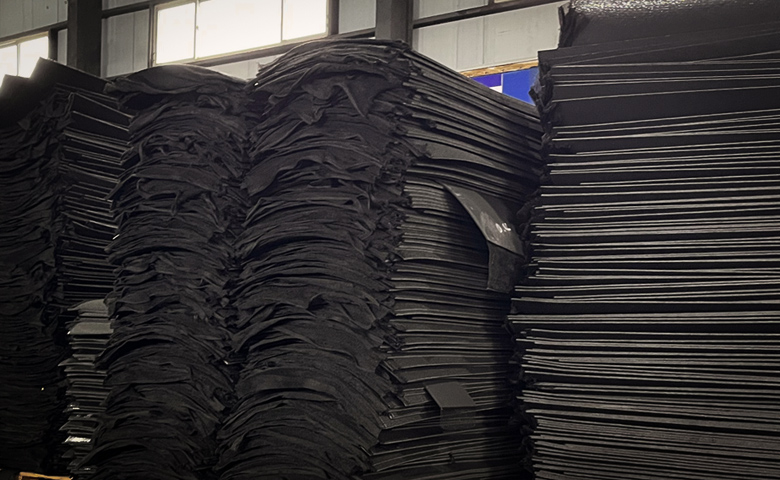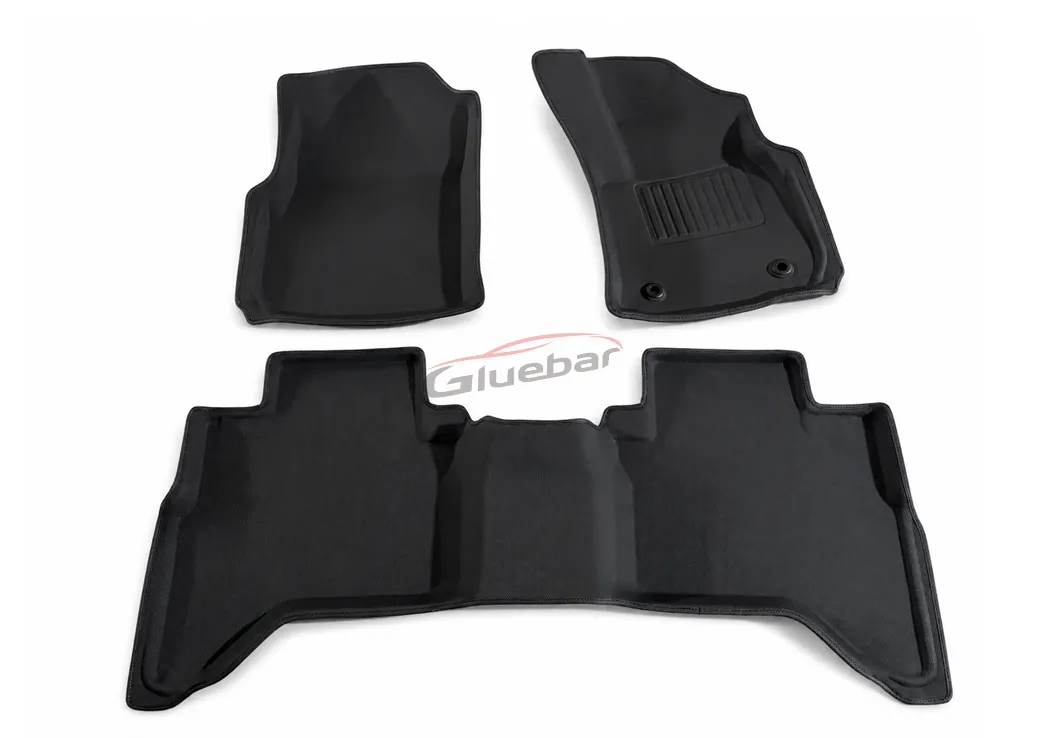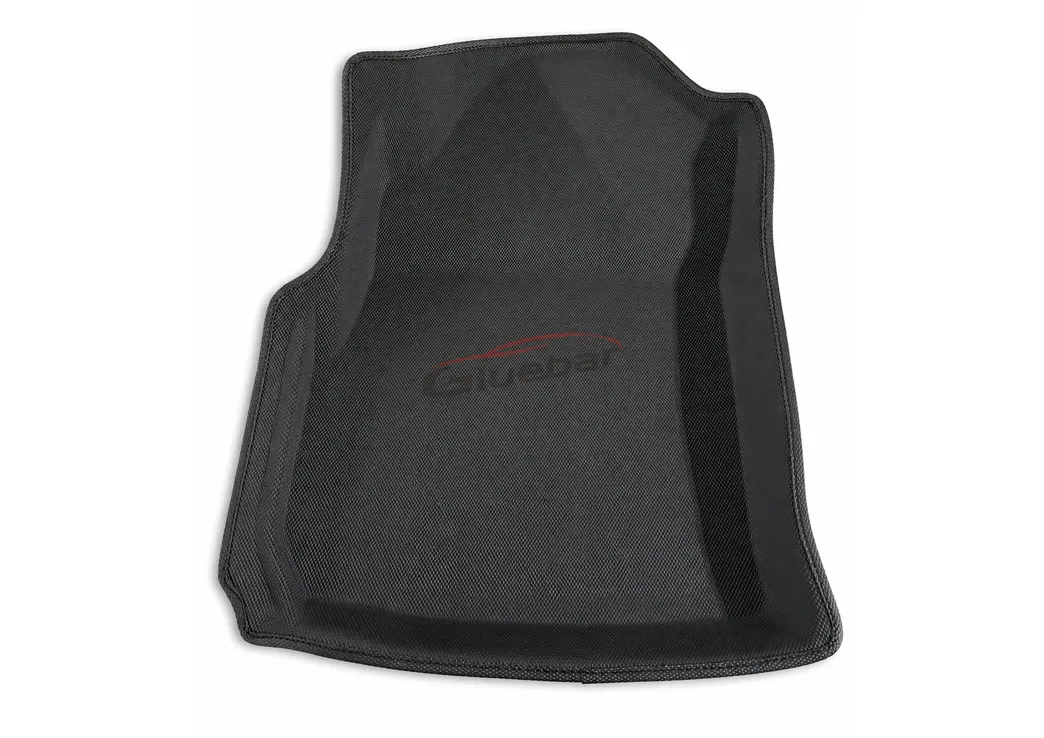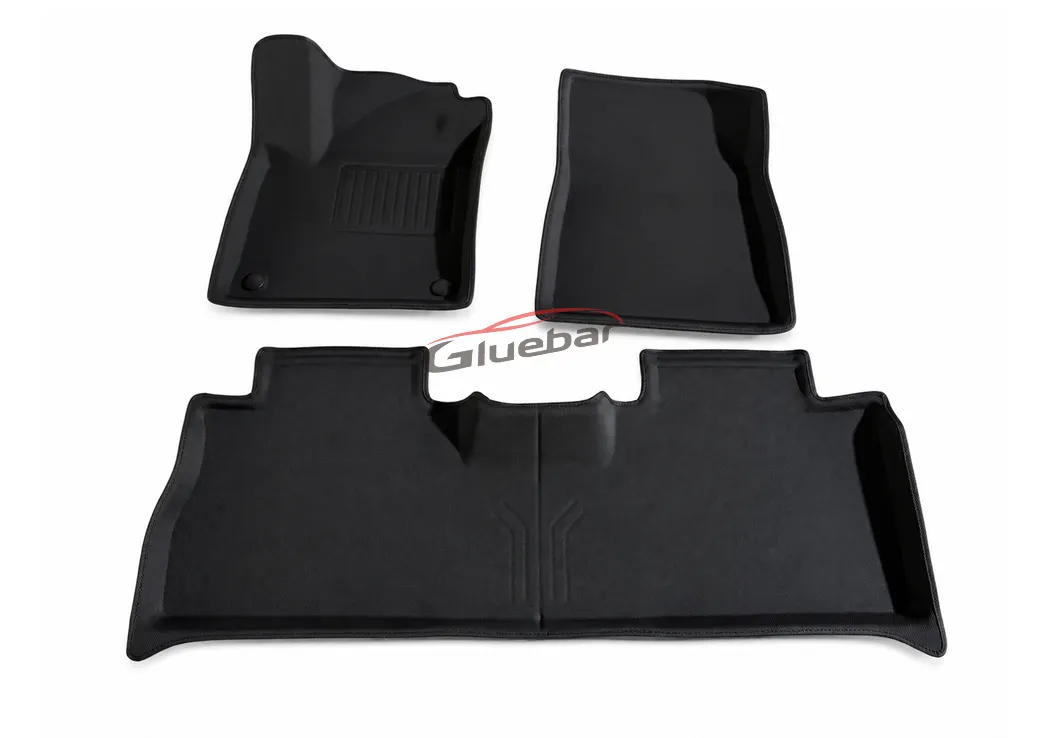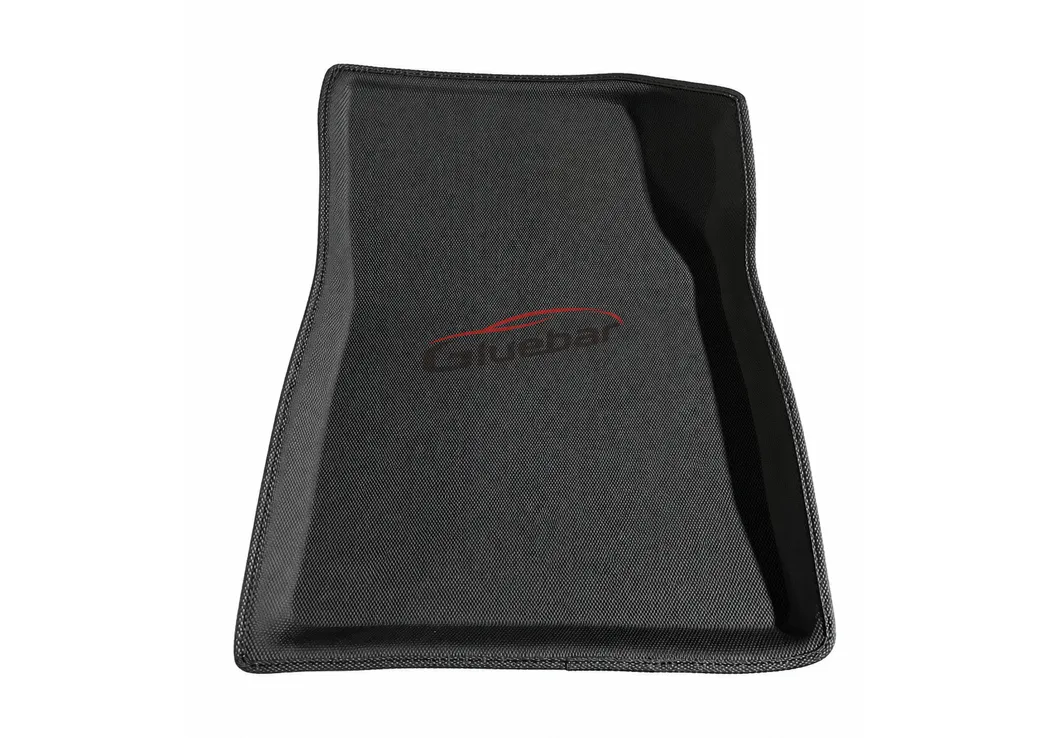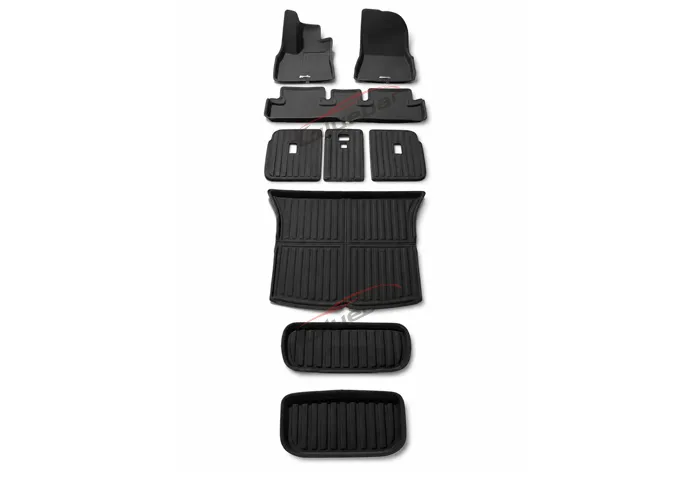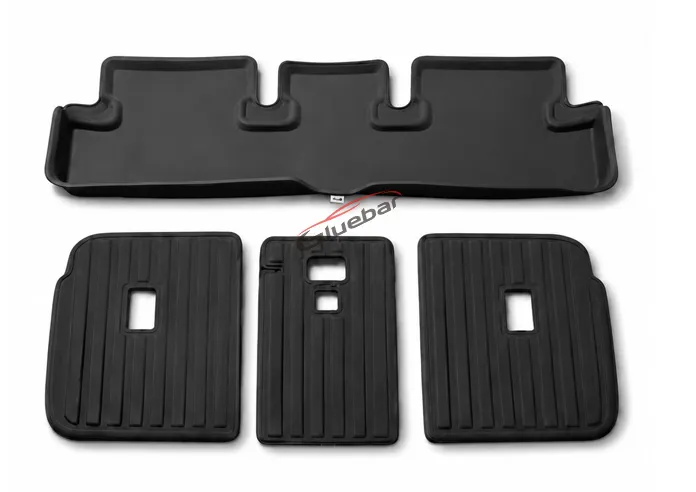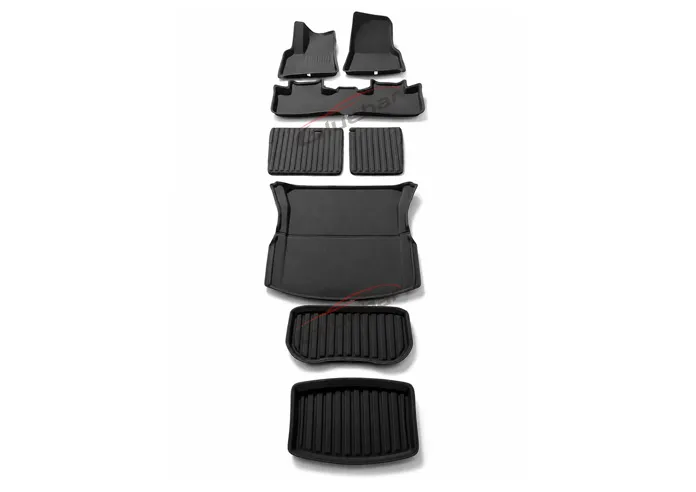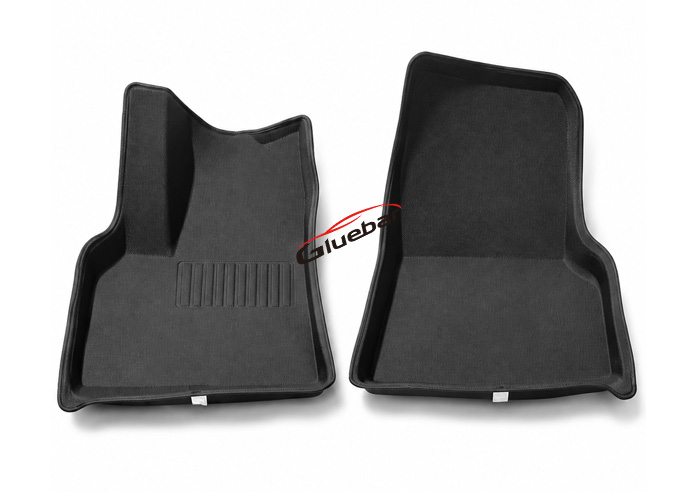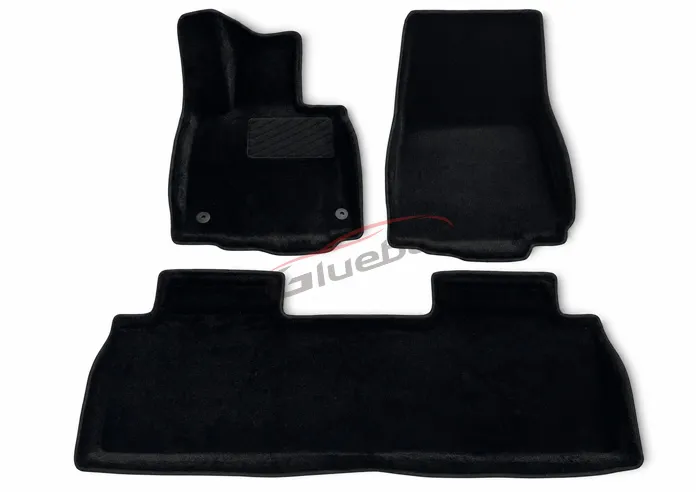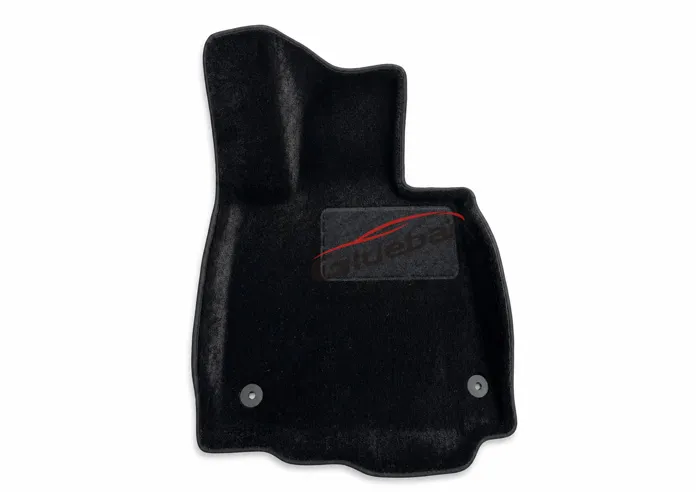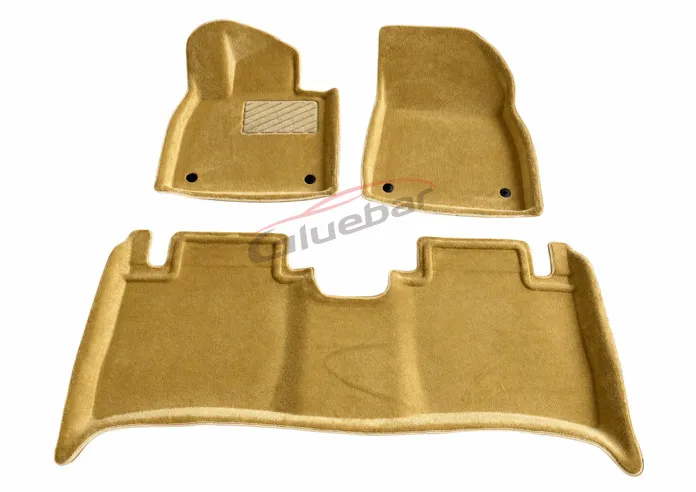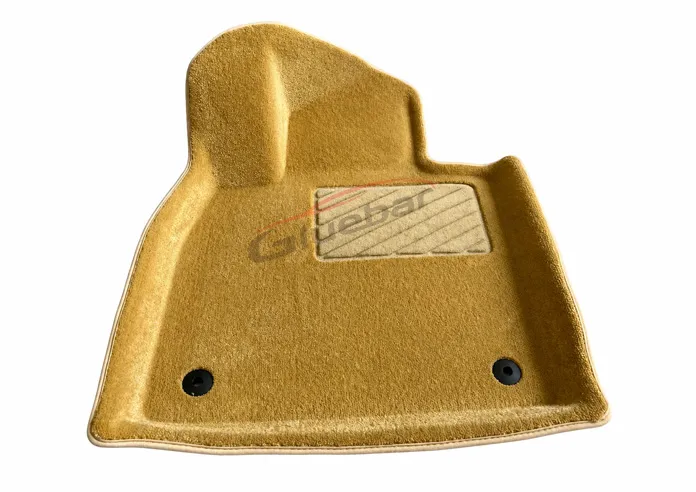
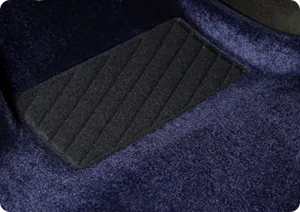
If you want to OEM carpet floor mats, you need to choose based on your market situation. Different regions and different car models require different types of carpet floor mats. Therefore, as a distributor or purchaser, when choosing an OEM carpet floor mat factory to cooperate with, you can choose the appropriate type based on your market.
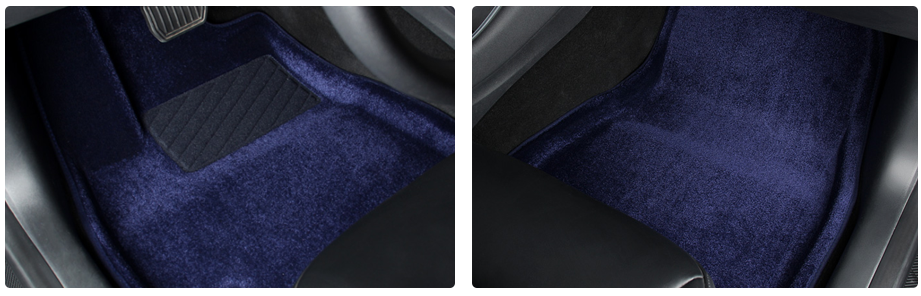
I. Understanding OEM Carpets and Mats
1. What is OEM, and what does it truly mean?
OEM is an abbreviation for "Original Equipment Manufacturer."
In essence, you can understand it as a product customized by a specialized factory according to specific requirements and standards. Taking the car floor mat industry as an example, OEM car floor mats mean that, based on different car models and specific needs, the factory designs, molds, produces, and tests according to strict standards to ensure that the product achieves the same level of fit, durability, and quality stability as the original equipment manufacturer (OEM) parts.
Simply put, the customer tells the factory what kind of product they want, and the factory produces it according to those requirements.
The core of this production method is not "manufacturing for any particular brand," but rather the ability to consistently mass-produce according to professional standards.
Therefore, the essence of OEM is:
"You provide the standards, I manufacture; you handle the brand, I guarantee the quality."
2. What are the differences between OEM, ODM, and Aftermarket?
When choosing OEM car floor mats, you might also hear terms like ODM and Aftermarket. What are the differences between these and OEM?
2.1 OEM (Original Equipment Manufacturer)
Simply put: The customer has a brand and standards, and the factory is responsible for production.
These floor mats are custom-made for specific car models. From design, mold making, testing to delivery, every step follows established specifications.
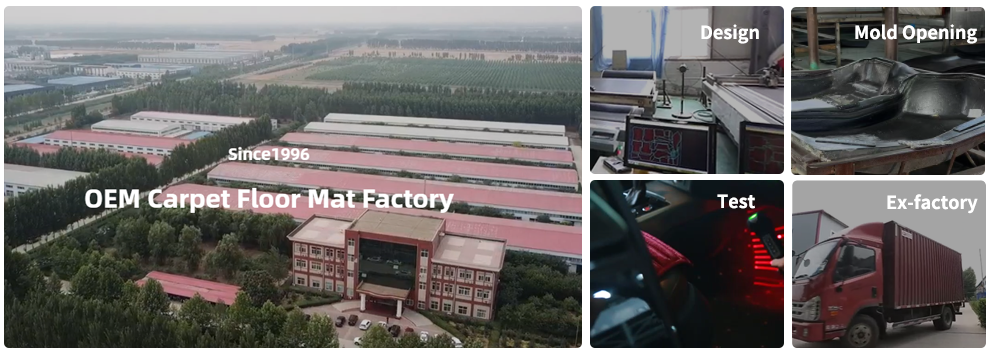
The core of the OEM model lies in "precise matching" and "stable supply," ensuring not only product fit and consistency but also demonstrating the factory's professional capabilities in quality control, certification systems, and brand collaboration.
For B2B customers, the biggest advantages of choosing OEM are:
Sustainable brand cooperation (rather than one-time purchases); Reduced after-sales risks (due to standardized specifications and minimal error); Meeting market standards and certification requirements.
2.2 ODM (Original Design Manufacturing)
This means that the factory not only manufactures but also designs for the customer.
The customer only needs to specify the direction or functional requirements (e.g., "We want to make a TPE floor mat suitable for the SUV market"),
and the factory can provide designs, samples, and finished product solutions.
This model is suitable for start-up brands or distributors without R&D teams.
However, ODM is generally less stable than OEM in terms of consistency and long-term supply.
2.3 Aftermarket (replacement market products)
These are the common universal or modified floor mats.
They’re not made for one specific car model, but for the retail market.
They’re cheap and easy to buy, but in terms of fit, environmental standards, and brand consistency, they’re clearly not at the same level as OEM products.
II. Why are OEM car mats more popular in the B2B market?
OEM car floor mats are more popular for a simple reason: OEMs work directly with car floor mat factories, resulting in more standardized, stable, and reliable products.
1. Stable Quality, Reduced After-Sales Risk
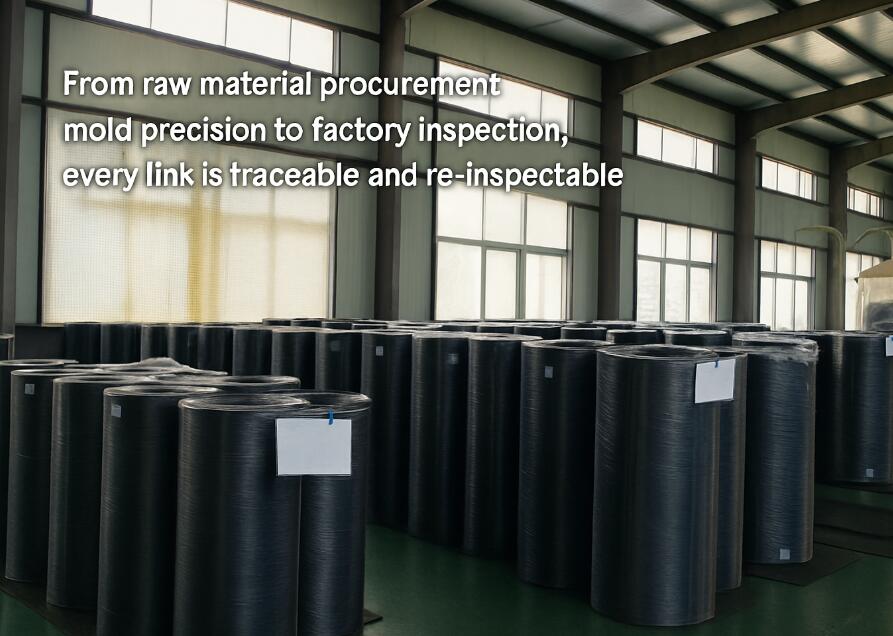
OEM floor mat production follows a rigorous quality management system—from raw material procurement and mold precision to final inspection, every step is traceable and re-inspectable.
This systematic quality control ensures consistent product quality even in mass production, significantly reducing returns and after-sales risks.
For distributors requiring long-term supply, this stability translates into sustainable brand reputation building.
2. Precise Fit, Enhanced Driving Experience
OEM floor mats utilize 3D scanning and CAD modeling technology to achieve a seamless fit with the original vehicle floor.
Whether it's the driver's seat, passenger seats, or rear footwell, they provide precise coverage, preventing slippage, lifting edges, and other safety hazards.
This "factory-grade fit" makes the floor mats more than just an accessory; they become an integral part of the vehicle experience.
3. Material Consistency and Quality Control
Under the OEM model, the factory adheres to unified standards from formula development to mass production testing, based on customer specifications.
The thickness, color, odor, and abrasion resistance of each batch of mats remain consistent, ensuring consistent quality throughout the brand's long-term supply.
This is especially important for cross-regional distributors and international brands.
4. Brand Synergy, Strengthening Corporate Image
OEM floor mats support customer customization of brand logos, packaging language, product labels, and regional versions (such as English, Spanish, Arabic, etc.).
This brand synergy not only enhances product professionalism but also allows customers to project a unified and trustworthy brand image in the global market.
At international trade shows, distribution channels, and e-commerce platforms, this consistency is often key to winning buyer trust.
III. Key Factors in Choosing OEM Carpet Mats
1. Material Factors
Different markets have different requirements for the materials used in floor mats. Common types include TPE, XPE, and PVC.
When choosing, the climate characteristics, environmental regulations, and user positioning of the target market should be considered comprehensively:
TPE: Environmentally friendly, odorless, cold and heat resistant, suitable for high-end passenger vehicles and markets in extremely cold regions.
XPE: Lightweight, with good sound insulation and heat insulation properties, high cost-effectiveness, and is one of the mainstream multi-layer composite materials currently available.
PVC: Low price, fast molding, suitable for the mid-range market and retail channels.
In addition, more and more OEM carpet floor mats are using a three-layer composite structure, such as
Flock + XPE + Anti-Skid (slip layer + sound insulation layer + anti-slip layer).
This design balances comfort and quietness while improving overall anti-slip properties and durability.
2. Anti-slip and Secure Backing Design
High-quality OEM floor mats not only have stringent requirements for surface materials, but their backing structure also determines safety and stability.
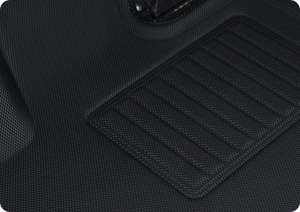
Premium floor mats should feature exclusive clips, anti-slip textures, or a mesh backing structure.
These securing mechanisms prevent the mats from sliding or stacking during driving, effectively avoiding potential safety hazards such as accidental pressing of the accelerator or brake pedals.
Among these, the bottom anti-slip layer is a key component.
It allows the mat to firmly adhere to the ground and maintain its position during driving, ensuring driving safety while also demonstrating the strict control and manufacturing precision of OEM-grade products.
3. Edge Binding and Stitching
The edge binding process not only determines the appearance and texture of the pads but also directly affects their durability and brand image.
Hot-pressed edge binding offers advantages such as waterproofing, stain resistance, and anti-curling, making it suitable for high-frequency use or environments prone to dust accumulation.
Stitched edge binding provides a more refined look but requires higher craftsmanship.
The stitches must be even and dense to ensure that the pads do not unravel or crack over long-term use.
For B2B customers, edge binding details are often a crucial indicator of an OEM factory's manufacturing standards and quality consistency.
Excellent OEM manufacturers demonstrate their brand professionalism and stability in their edge binding processes, ensuring that every batch of products maintains the same quality standards.
IV. Choosing the right type of foot pad for different markets
1. Cold and Damp Regions
In regions like North America, Northern Europe, and Russia, roads are often damp and snowy. Therefore, the anti-slip, water-resistant, and cold-resistant properties of car floor mats are crucial. In these areas, high-end car floor mats with a TPE or composite structure (Flock + XPE + Anti-Skid) are more suitable:
The top layer (Flock) provides both comfort and warmth; the middle layer (XPE) offers sound insulation and low-temperature resistance; and the bottom anti-skid layer maintains a firm grip on the ground even in icy and snowy weather.
Furthermore, the deep drainage grooves and high-edge design effectively prevent snowmelt from overflowing, keeping the car interior dry and clean.
2. Hot and Dry Regions
In the Middle East, Australia, North Africa, and southwestern America (such as the UAE, Saudi Arabia, Egypt, Australia, California, and Mexico), temperatures are high, dusty, and ultraviolet radiation is strong. These markets have extremely high requirements for the heat resistance, dust resistance, and ease of cleaning of floor mat materials.
OEM floor mats made of XPE or TPE are recommended: They are structurally stable, resistant to deformation, have a smooth surface that doesn't easily attract dust, and maintain their flexibility and color even after prolonged exposure to sunlight. For distributors, these products have low maintenance costs and a long lifespan, making them ideal for large-scale promotion and fleet procurement in arid climate markets.
3. High-End Vehicle Market
For the high-end vehicle market in Europe, America, Japan, and South Korea, such as brands like BMW, Mercedes-Benz, Tesla, Lexus, and Audi,consumers generally place greater emphasis on comfort, visual quality, and brand consistency.
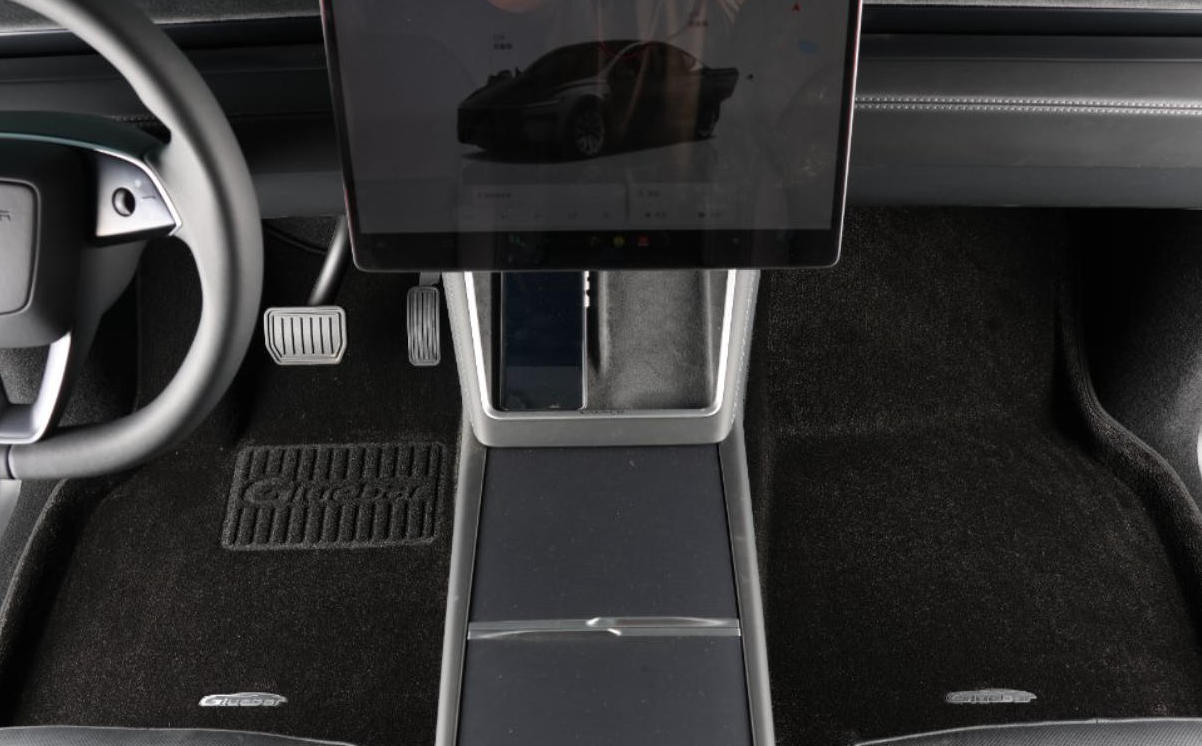
This market is better suited to OEM carpet mats with flock or premium short-pile surfaces, which are not only softer underfoot and offer better sound absorption, but also perfectly complement the overall interior style of the vehicle.
Combined with precision edging and customized logo design, OEM solutions help clients maintain brand consistency in the details, ensuring a unified high-end vehicle quality feel from the showroom to the end user.
For B2B clients, these high-end floor mats are often used in brand upgrade series, showroom vehicles, or export models, serving as both part of the vehicle's accessories and an extension of the brand image.
4. OEM Carpets and Floor Mats for Commercial Vehicles
Commercial vehicles often serve multiple purposes, including high-end hospitality, executive travel, and long-distance commutes. The interior space needs to balance comfort, quietness, and brand image.
Product Features:
Sound-Silent and Vibration-Isolating Structure: Multi-layer composite design effectively reduces chassis noise and footstep echoes.
Premium Plush Material: The surface layer uses soft, short plush material with a delicate touch, reflecting business class quality.
Precise Fitting: Laser scanning technology achieves 100% fit with the vehicle's floor.
Customizable Brand Nameplate: Supports customized logo metal nameplates for enhanced brand recognition.
Easy-to-Clean and Waterproof Backing: Moisture-proof and wear-resistant, ensuring it remains smooth and new even after long-term use.
V. How to cooperate with OEM floor mat factories
Gluebar has a mature OEM cooperation process, helping clients efficiently implement their projects from initial needs to mass production delivery. The following is a detailed explanation of the standard cooperation process:
1. Requirements Confirmation
At the start of the collaboration, you'll need to provide a list of your vehicle models, including brand, model, year, and seating layout. Gluebar's team will analyze the structure of each model based on this list and develop a corresponding customized solution.
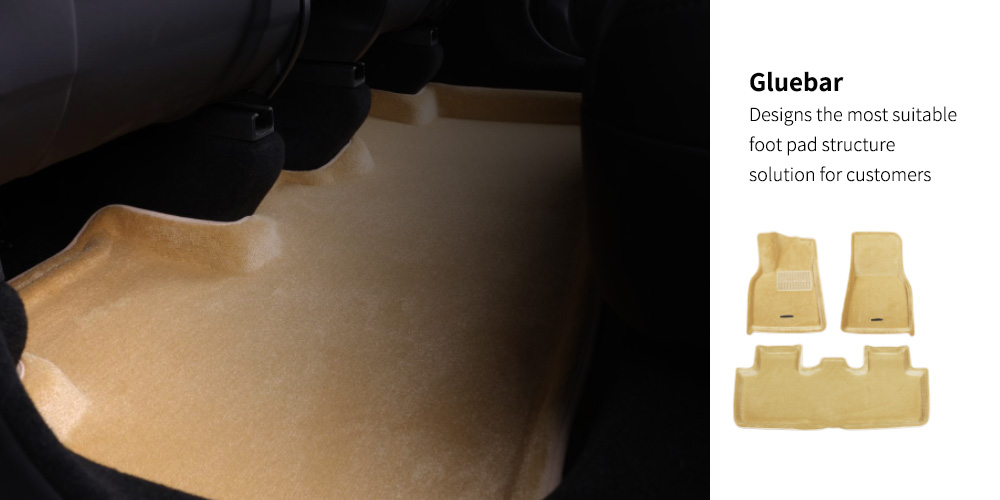
You can also discuss your target market (e.g., Europe, North America, Southeast Asia) and brand preferences, such as color schemes, logo placement, or carpet material. Based on this information, Gluebar will design the most suitable floor mat structure for you, ensuring that it meets the high standards of business vehicles in terms of fit, comfort, and appearance.
2. Sample Making
After requirements are confirmed, Gluebar will use a laser scanner to create a 3D model of the original vehicle's floor, ensuring millimeter-level fitting accuracy.
The factory will produce samples based on the customer's selected fabric and structural design, typically completing rapid sampling within 3–5 business days.
Each sample will include material specifications, structural cross-sections, and reference installation diagrams for customer evaluation and internal review.
3. Sample Confirmation and Improvement
After sample delivery, customers can conduct on-site testing and review, primarily confirming the following aspects:
Appearance and Color: Whether the overall color scheme and edging lines coordinate with the vehicle's interior style;
Material Feel and Density: Whether the touch is soft, whether the XPE support layer thickness is appropriate, and whether the anti-slip bottom layer elasticity meets the brand positioning;
Fitness and Coverage: Whether it precisely matches the vehicle's floor and fixing clips;
Anti-slip Texture and Bottom Layer Design: Whether the bottom layer's friction is sufficient to support frequent vehicle entry and exit;
Edge and Detail Craftsmanship: Whether the stitching is neat and secure, and whether the corner edges are clean;
Logo Customization Position: Confirming whether the position, size, and color of the metal nameplate logo conform to the brand's visual specifications.
If the customer has adjustment requirements, the Gluebar engineering team will optimize the materials, edging, bottom layer, and other structural aspects based on feedback. Once the customer signs off on the sample, it will be implemented as the mass production standard to ensure consistent quality across every batch.
4. Mass Production
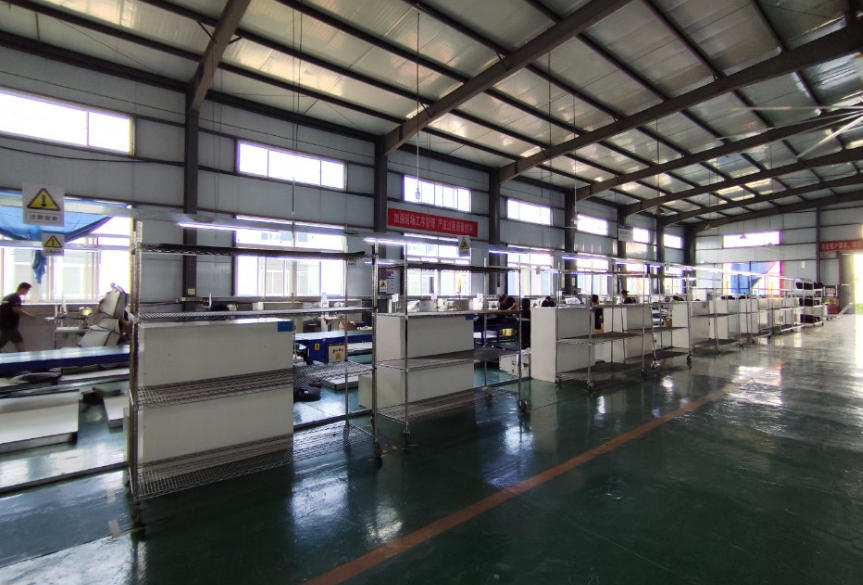
After sample confirmation, Gluebar will schedule production according to the standard plan.
Delivery Time: 15–20 working days (special customizations can be agreed upon separately);
Minimum Order Quantity: 300 sets per order (300 sets per PO), not 300 sets per single model;
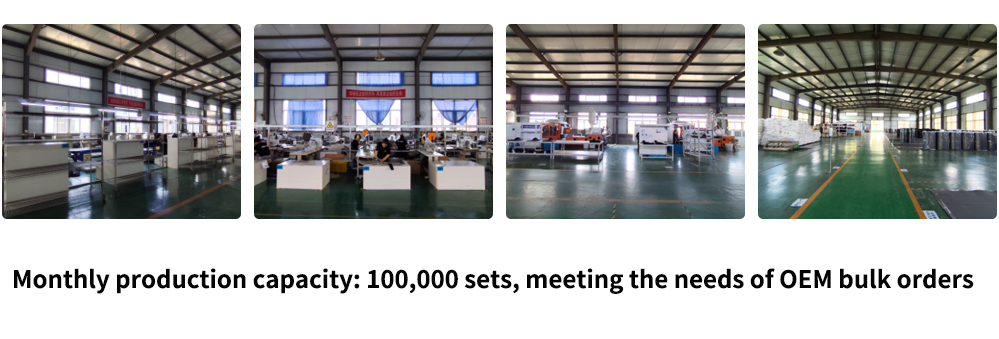
Monthly Production Capacity: 100,000 sets, meeting OEM bulk order requirements;
Production System: Strictly implements ISO9001 and IATF16949 quality management standards.
The production line supports mixed production of multiple models, ensuring efficient delivery of different projects simultaneously.
5. Quality Inspection
All products undergo multiple tests before leaving the factory to ensure safety and consistency:
Appearance and Dimension Inspection: Error controlled within ±1mm;
Odor and Environmental Protection Inspection: Uses environmentally compliant TPE material with an odorless formula;
Abrasion Resistance Test: Simulates 20,000 footsteps with no significant wear;
Anti-slip Performance Test: Liner friction coefficient ≥ 0.75, preventing slippage during driving;
Temperature Resistance and Aging Test: Ensures no deformation or cracking under high temperature exposure or low temperature conditions.
After passing all tests, a quality inspection report and batch traceability number are provided to ensure that every product is traceable and controllable.
6. Packaging and Shipping
Gluebar offers a one-stop brand packaging service, including:
Logo Customization: Metal nameplate insert design (non-embossed) to reflect brand quality;
Packaging Design Service: Supports client-designed brand packaging and multilingual labels;
Customized Brand Instruction Cards and Installation Manuals: Versions available in different market languages (English, French, Spanish, etc.);
Shipping Methods: Supports multiple delivery terms such as EXW, FOB, and CIF.
7. Long-Term Cooperation and After-Sales Support
Gluebar prioritizes building long-term OEM partnerships with its clients.
After mass production begins, we will:
Regularly optimize mold design and material formulations based on market feedback;
Provide clients with adaptation solutions for new car models and update our product database accordingly;
Provide after-sales technical support and a problem tracking mechanism;
Assist clients in achieving certification and localization in different markets.
Gluebar is not just a manufacturing plant, but a technology partner for brand growth. Through continuous innovation and efficient response, we help our global partners steadily expand their OEM carpet and floor mat business.