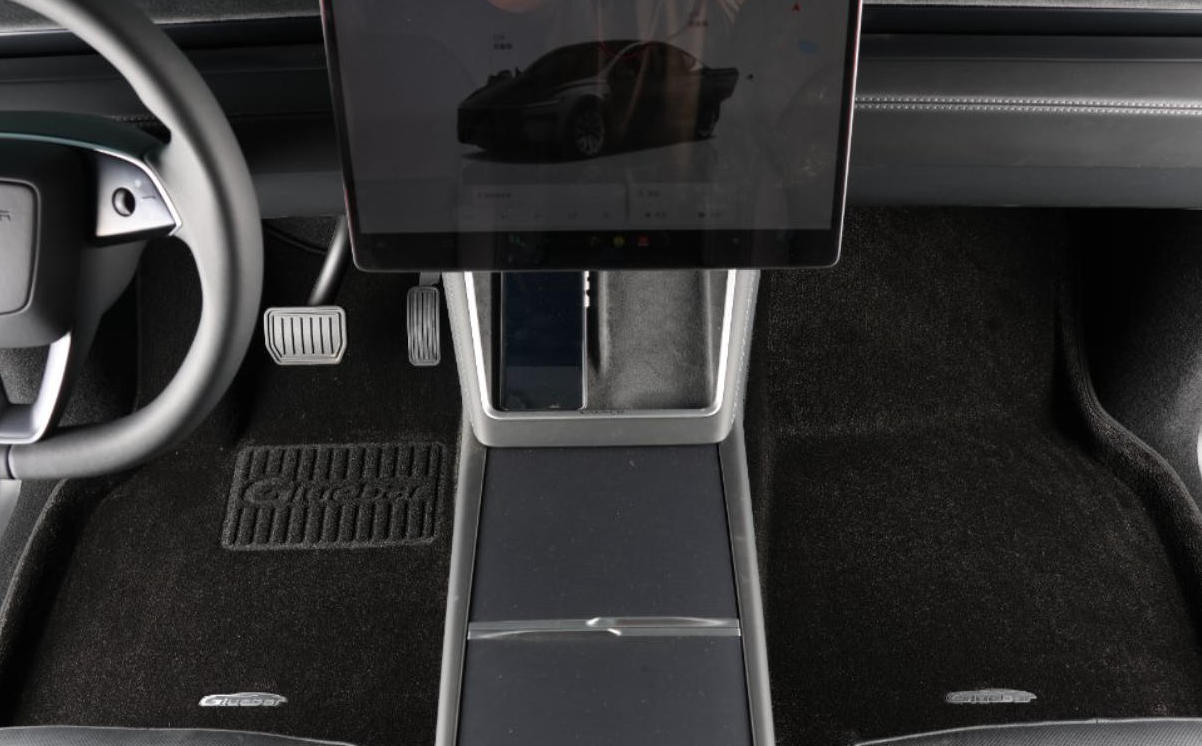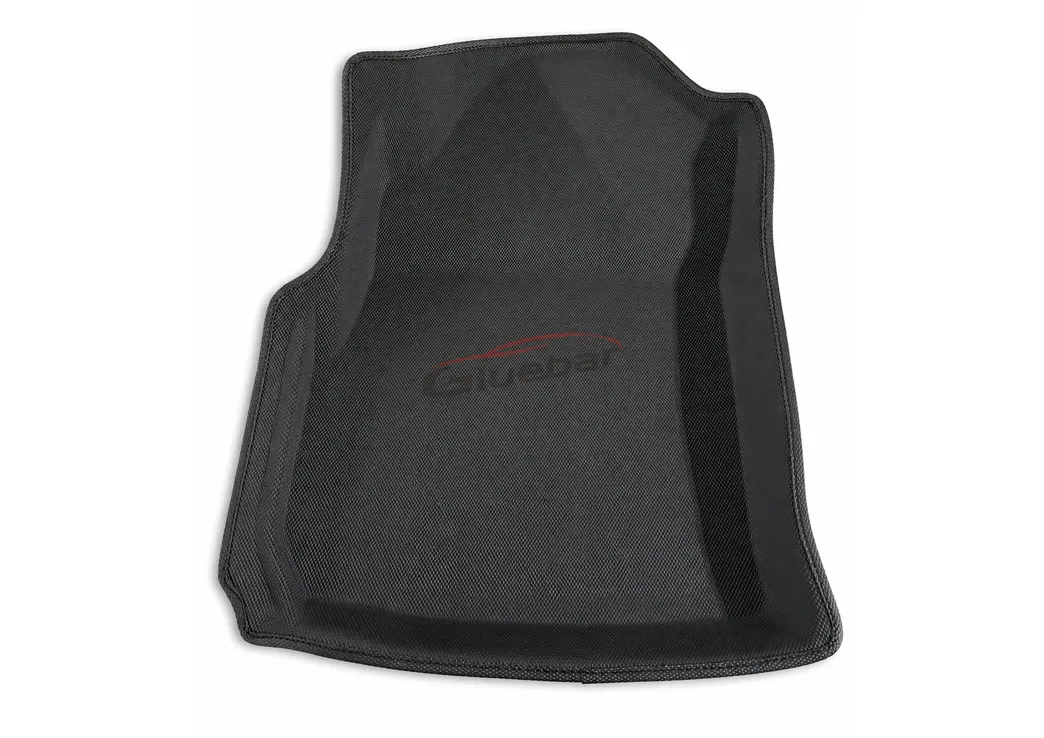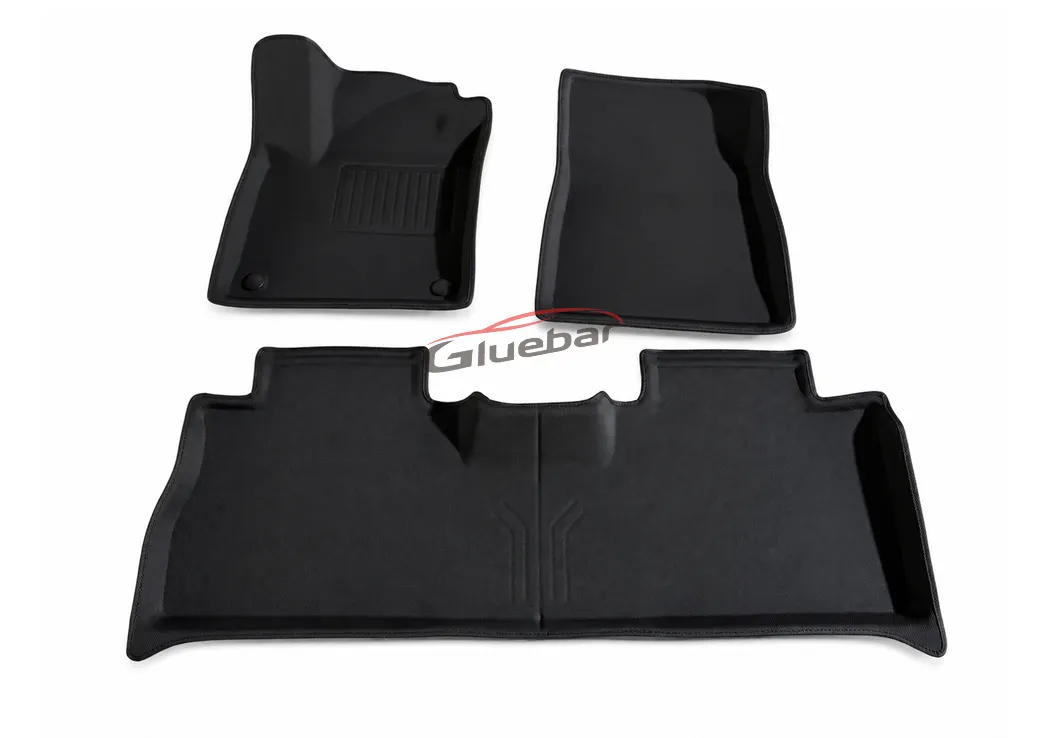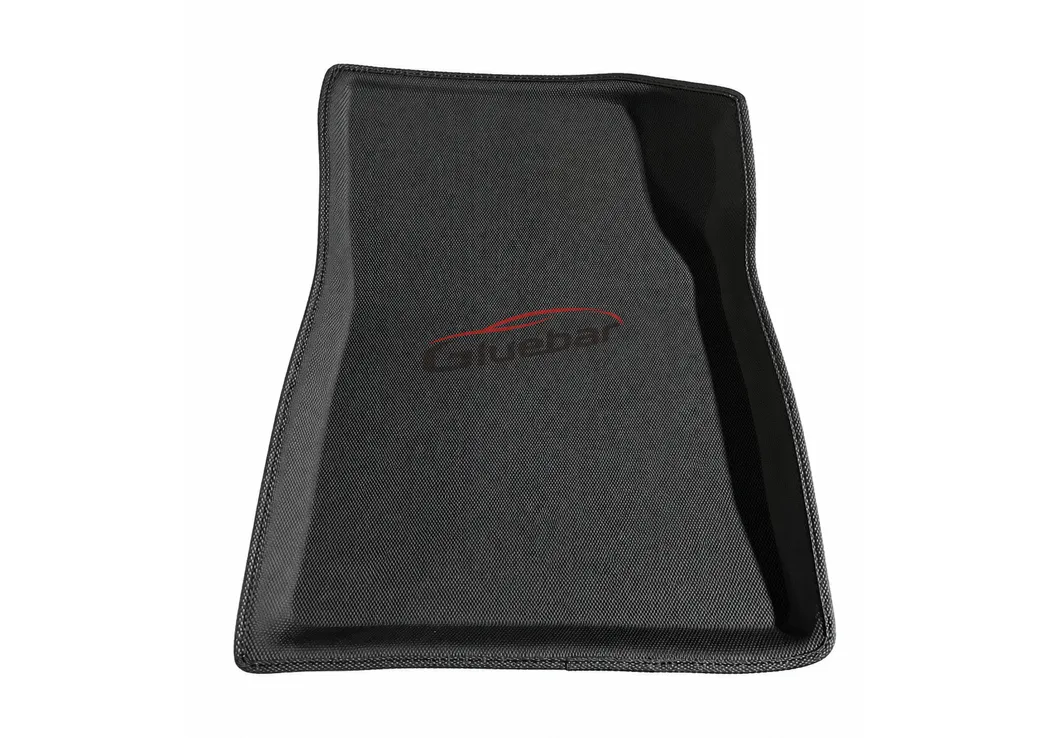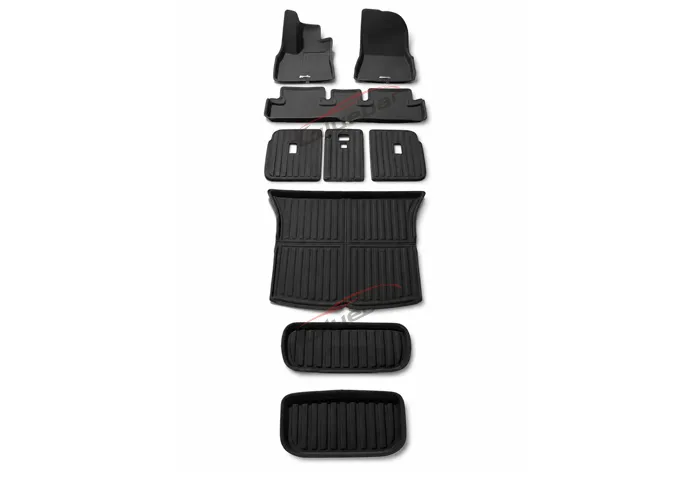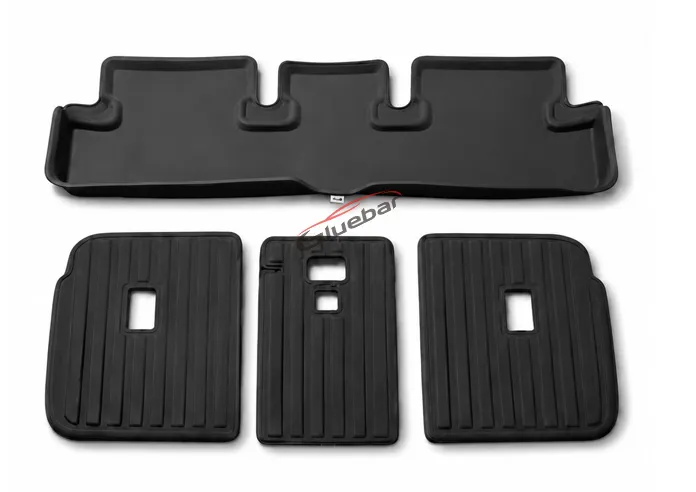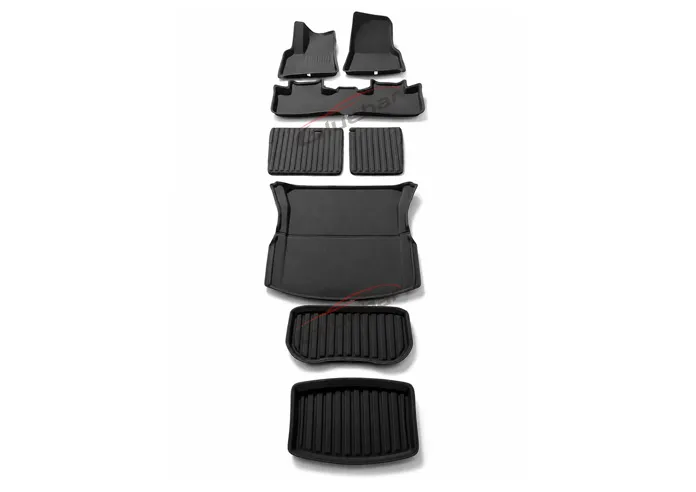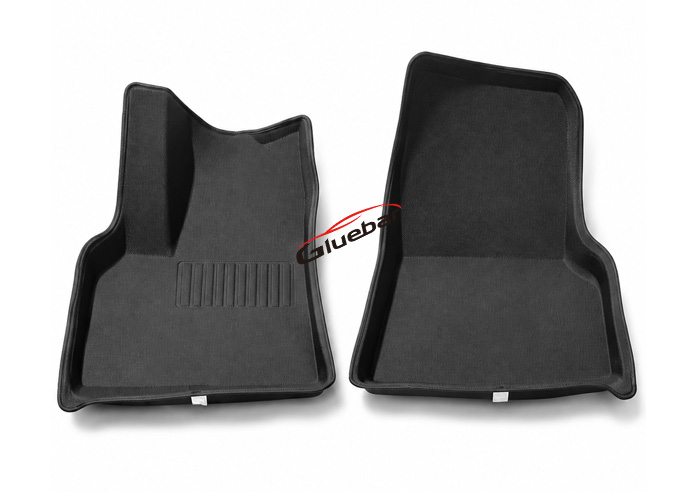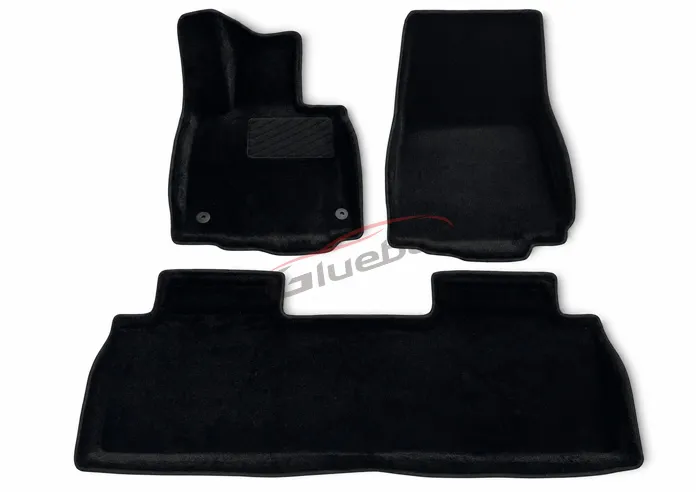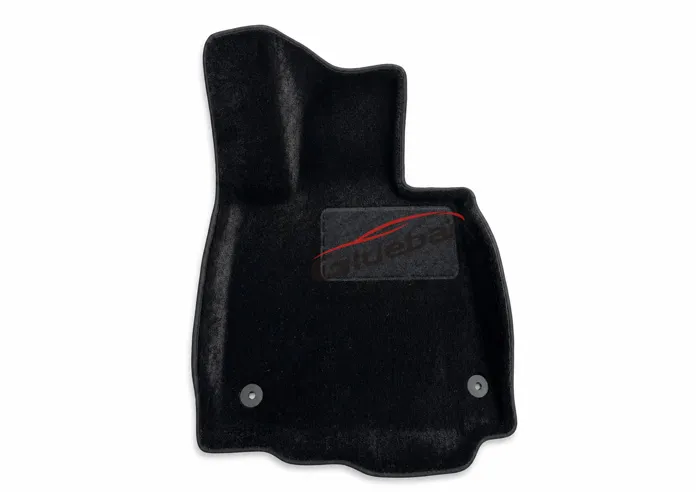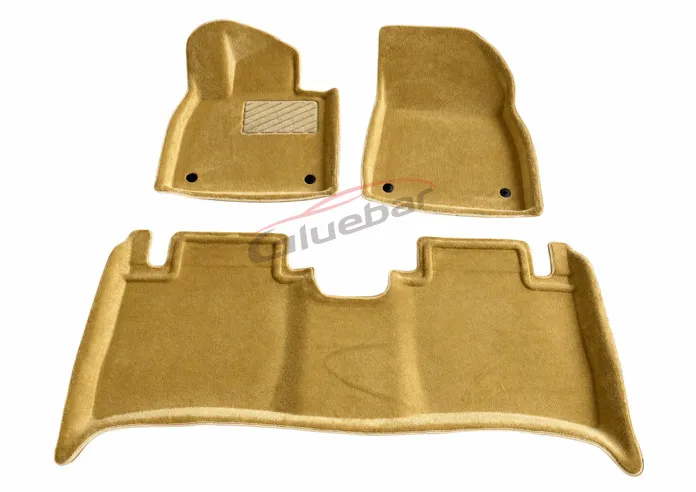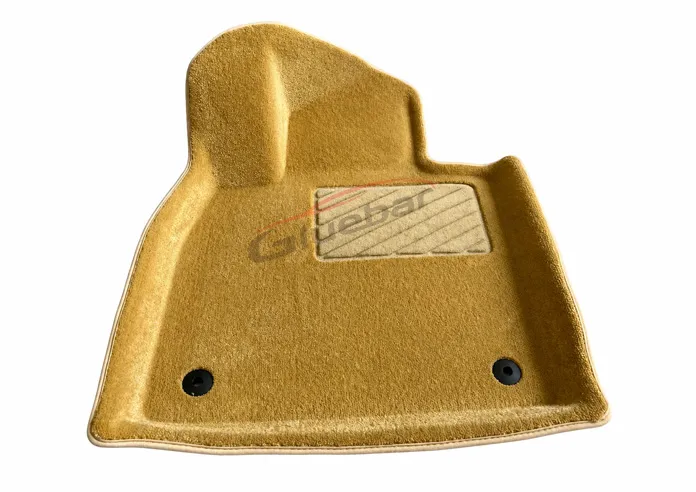
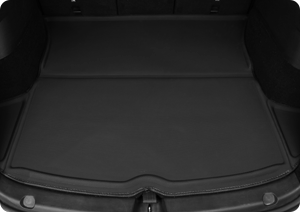
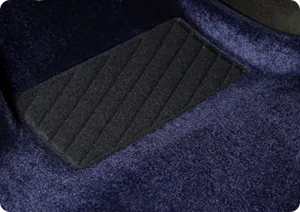
EVs are more “picky” about carpet floor mats—not because owners are picky, but because the cabin environment is different. EV interiors are quieter and more sealed, daily trips are often shorter but more frequent, and the floor area tends to be flatter yet full of small geometry details. On top of that, instant acceleration and regenerative braking make mat stability and pedal safety more critical. As a result, issues that feel “acceptable” in many gas cars become obvious in an EV: odor is easier to notice, moisture lingers longer, sand hides in corners, and a shifting driver-side mat is riskier—so people want quicker, easier cleaning with less effort. In other words, EVs don’t demand “more expensive” carpet floor mats—they demand more precise ones: better fit, safer retention, lower odor, easier maintenance, and durability that matches high-frequency urban use.
6 Real Reasons
Quieter cabins make rubbing noise and small squeaks more obvious
EVs have less engine noise to “mask” small sounds. Issues with carpet floor mats stand out: heel-area rubbing, tiny squeaks from slight shifting, a hollow feel when edges curl up, and gritty noise when sand stays in the fibers. In slow city driving or when music is off, these differences are even more noticeable. EV users prefer carpet floor mats with stable structure, stronger anti-slip backing, and edges that stay flat.
More sealed cabins make odor and moisture harder to ignore
EV cabins are often more sealed, so smell builds up more easily—especially after hot sun exposure. If the backing, adhesive, or material control isn’t good, odor becomes more obvious. Carpet also absorbs water. Wet shoes, road salt, drink spills, and pets can keep mats damp. If drying is slow, musty odors can show up faster, and a sealed cabin makes them easier to notice.
More frequent short trips make mats look dirty faster
Many EVs are used for city commuting. More entry and exit means more dust, fine sand, and small stains brought in by shoes. If a carpet mat traps debris in corners or is hard to vacuum, the cabin looks dirty quickly. Owners feel like “it gets dirty again right away,” so they care more about easy daily maintenance.
EV interiors feel more “premium,” so small flaws stand out
Many EV interiors are minimal and clean. In that setting, carpet mat details become more visible: edge finishing, surface pilling, color fading, and how “factory-like” it looks. A mat that feels “okay” in a gas car can look out of place in an EV, so buyers pay more attention to fit and appearance.
Floors look flatter, but details still matter—fit becomes critical
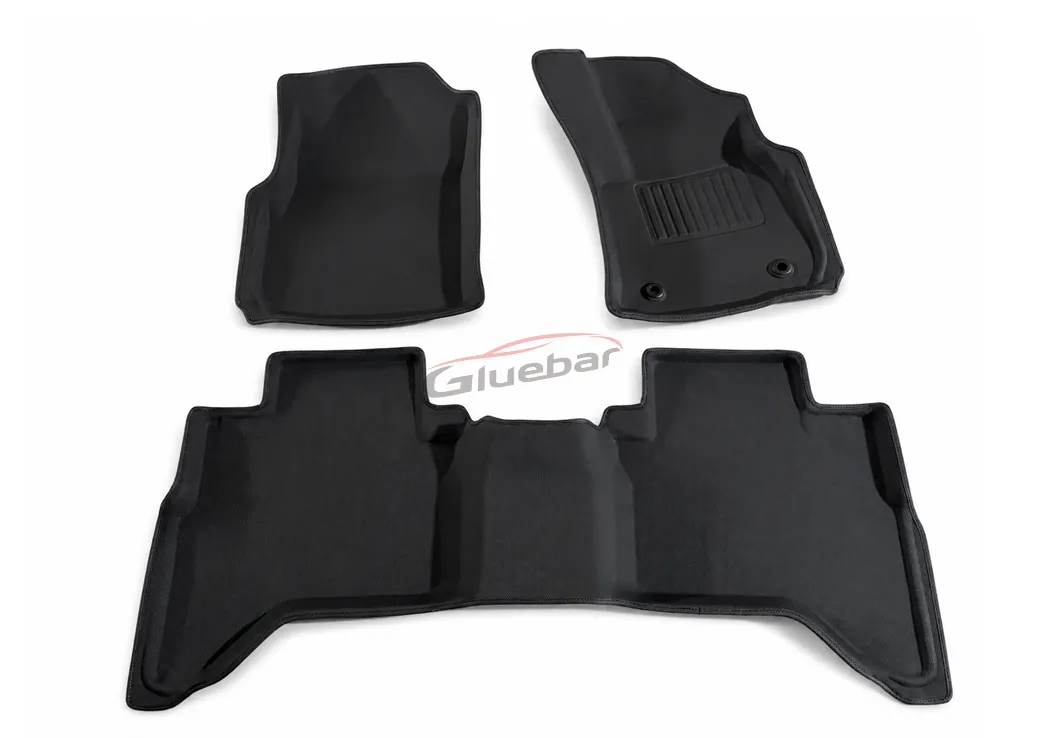
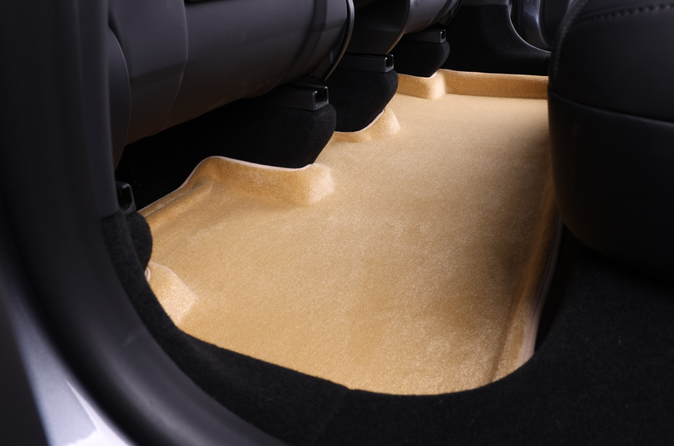
Some EVs have flatter rear floors, but that doesn’t mean fitting is easy. Seat rails, corner curves, small height changes, and under-seat areas still exist. Poor fit creates gaps, curled edges, unstable stepping, and dirt traps. Many EV owners don’t hate carpet mats—they just don’t want mats that need constant manual adjustment to sit right.
Instant response + regen driving raises driver-side safety standards
EVs respond quickly, and regen changes pedal control. If the driver mat slides forward, curls, or interferes with pedal travel, the risk is higher. That’s why EV owners care about driver-side safety: strong anti-slip backing, correct retention alignment, and full pedal clearance. They are not only “picky about looks”—they want the driver mat to stay safe and stable.
How to Choose Without Regret (A Simple EV Carpet Mat Method)
Confirm Fit First, Then Talk About Material
Start by checking whether the mats are vehicle-specific, whether they match the factory retention points, and whether the edges are likely to curl up. If the fit is not stable, even the best material can still cause problems later.
Treat Odor as a Hard Requirement
EV cabins are more sealed, so odor is easier to notice. Prioritize low-odor products with stable, consistent manufacturing. Don’t judge by the “material name” alone—pay attention to workmanship and odor-control quality.
Make Sure the Cleaning Effort Matches Your Lifestyle
Are you mostly commuting, driving often in rain/snow, or traveling with kids and pets? Carpet mats can work, but you need to accept that they depend more on regular cleaning habits.
Driver-Side Safety Is the Top Priority
Anti-slip backing, correct retention alignment, and proper pedal clearance must all be met at the same time. If the driver mat can slide forward or curl near the pedals, reject it immediately.
Who Should Choose Carpet Floor Mats for an EV?
1.Best for “Dry Climate + Light Use”
With less dust and fewer rainy/snowy days, shoes stay cleaner, and carpet mats feel more comfortable and quieter.
2.Best for People Who Care About Comfort and Cabin Style
If you like an OEM look and want a softer, more “home-like” feel under your feet, carpet mats are easier to accept.
3.Less Ideal for “Heavy Rain/Snow + Frequent Outdoor Use”
In regions with wet shoes, mud, and heavy road salt, carpet mats are more likely to stay damp and hold musty odors—meaning higher cleaning effort and cost.
Common Complaints (What EV Owners Complain About Most)
1) Why Do New Mats Smell?
It may come from the backing adhesive, dyeing process, or sealed packaging. Airing out often helps, but if the smell stays strong for a long time, it’s a warning sign about material and manufacturing quality.
2) Why Do Edges Curl Up So Easily?
This can be caused by inaccurate fit data, poor material recovery, or weak shape recovery after being folded for shipping. The quieter the cabin, the more noticeable it becomes.
3) Why Does the Driver Mat Shift More Easily?
Universal-fit designs, lack of retention points, and weak anti-slip backing can all cause the driver mat to slowly creep forward with frequent pedal use.
Notes for B2B Buyers (What Distributors / Wholesalers / Fleets Should Focus On)
Fit Data Must Be Accurate, and Year Ranges Must Be Clear
Even within the same model name, floor structures can change across different years. Incorrect data leads to returns and negative reviews.
Consistency Matters More Than a “Perfect Sample”
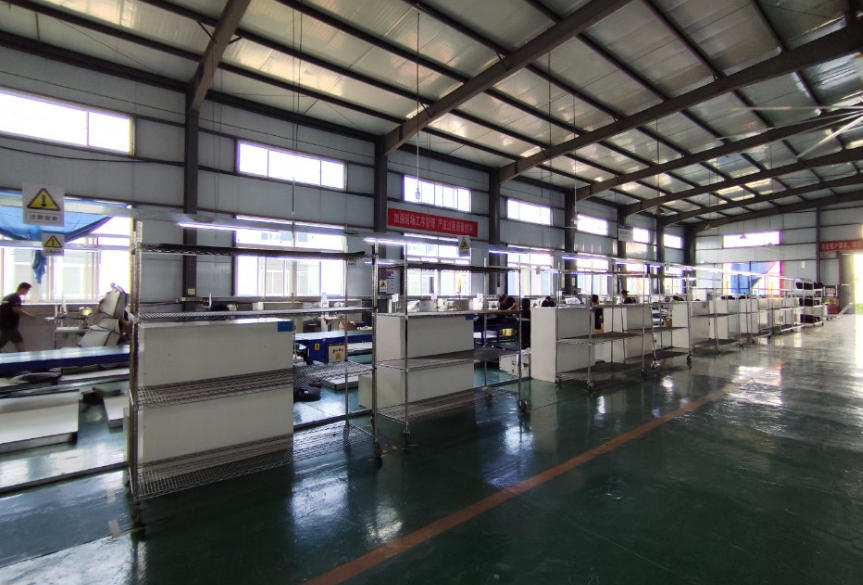
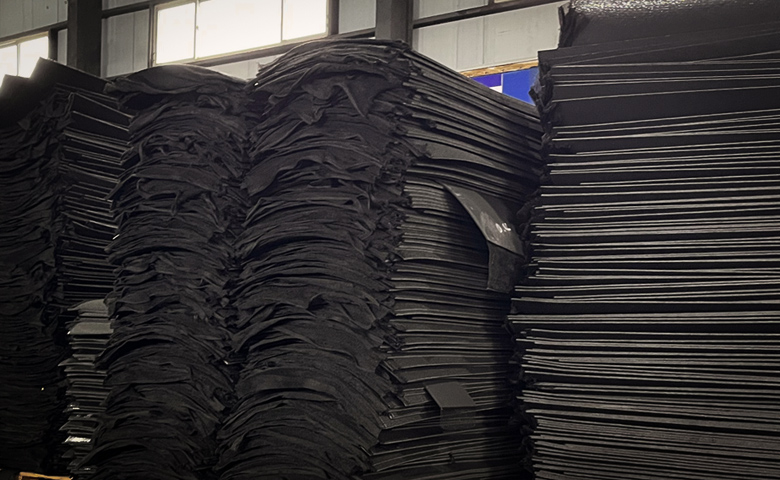
Bulk orders fail when color varies, odor fluctuates, or edges warp. Evaluate stable delivery capability and define clear QC standards.
Packaging and Labels Must Match the Sales Channel
Cross-border e-commerce, online marketplaces, and offline distribution all require different packaging.